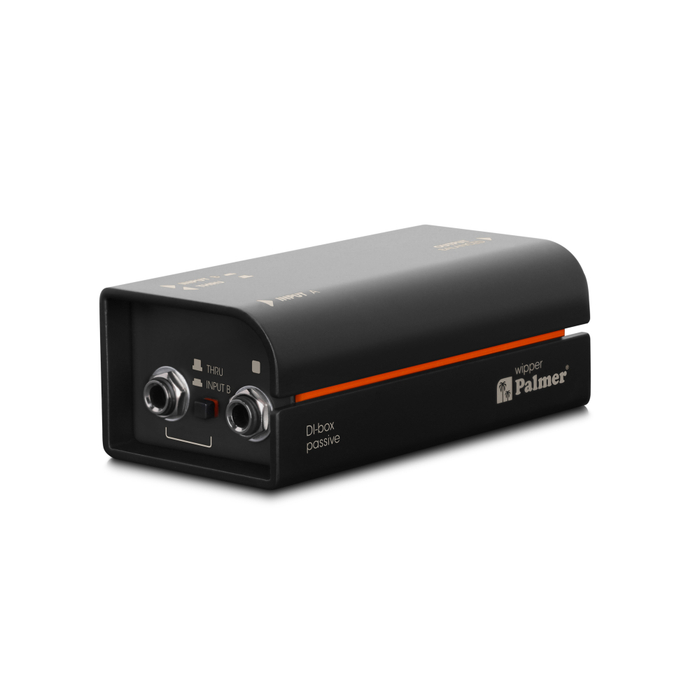
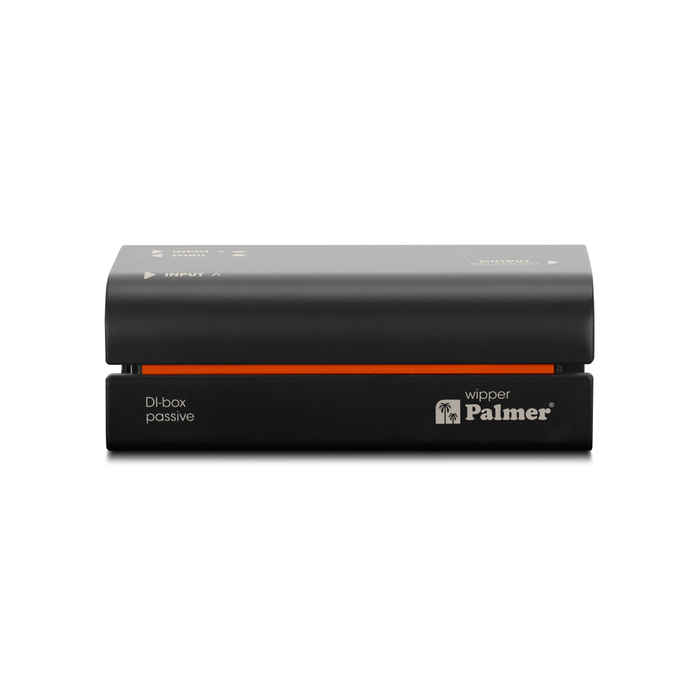
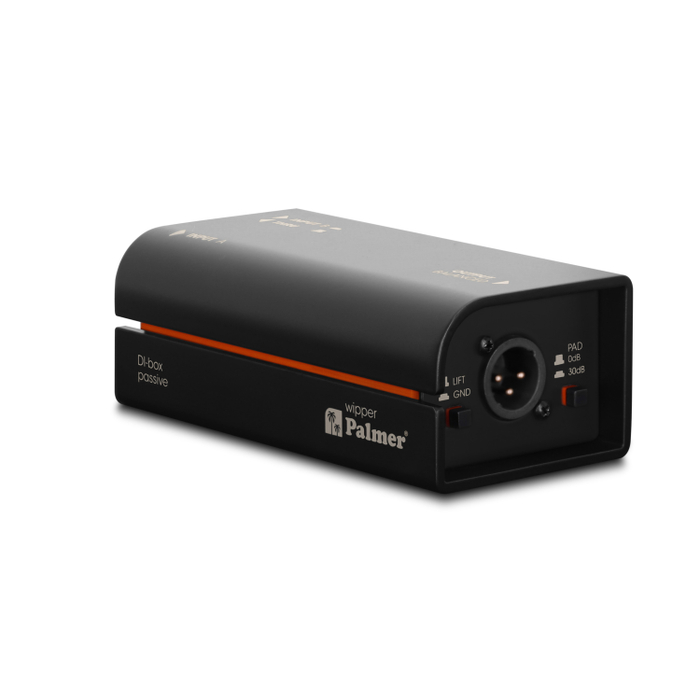
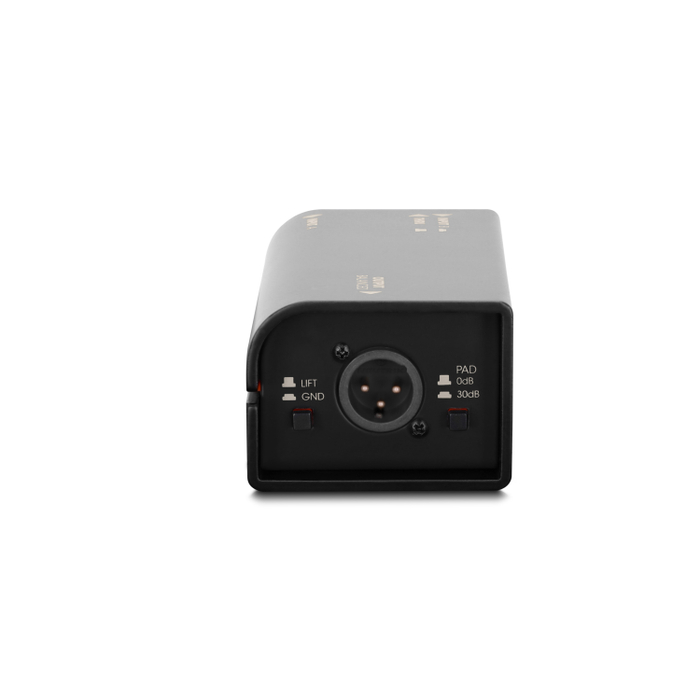
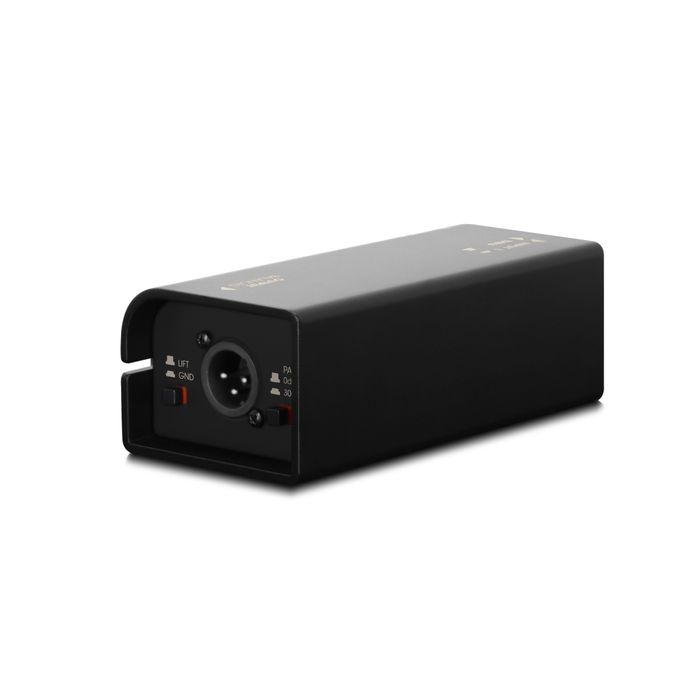
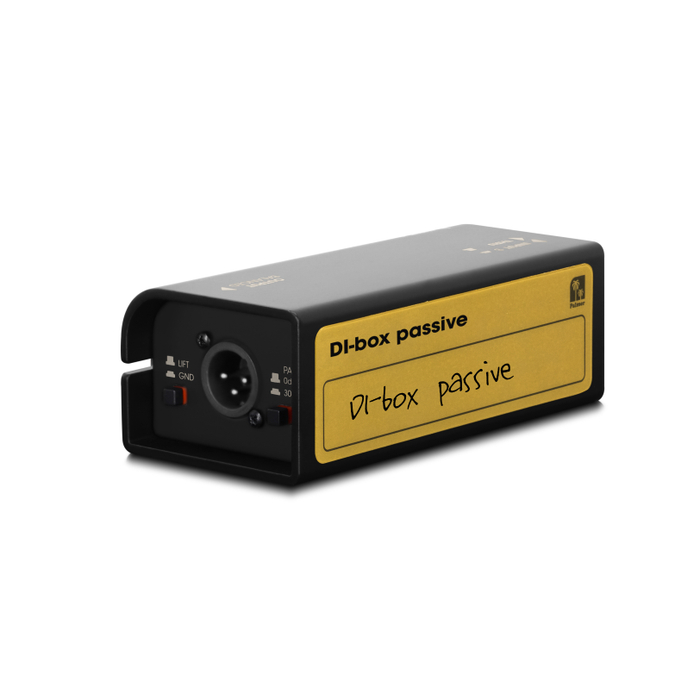
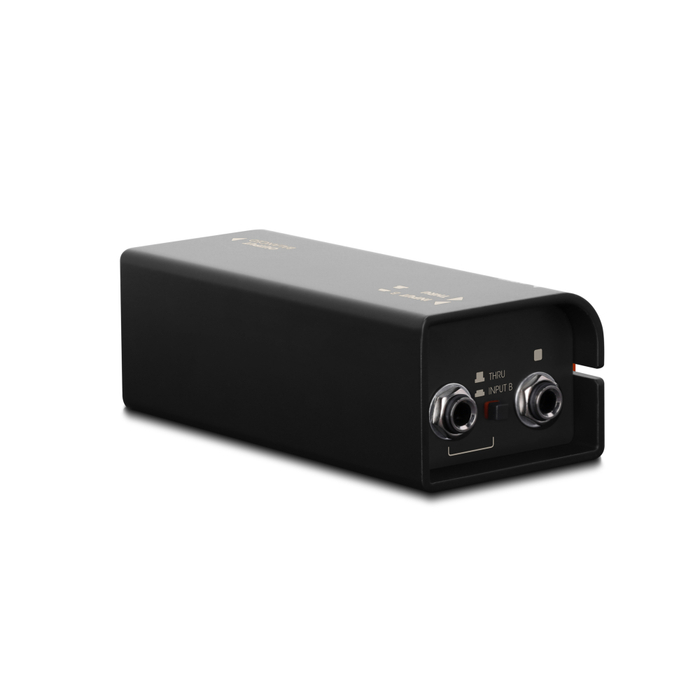
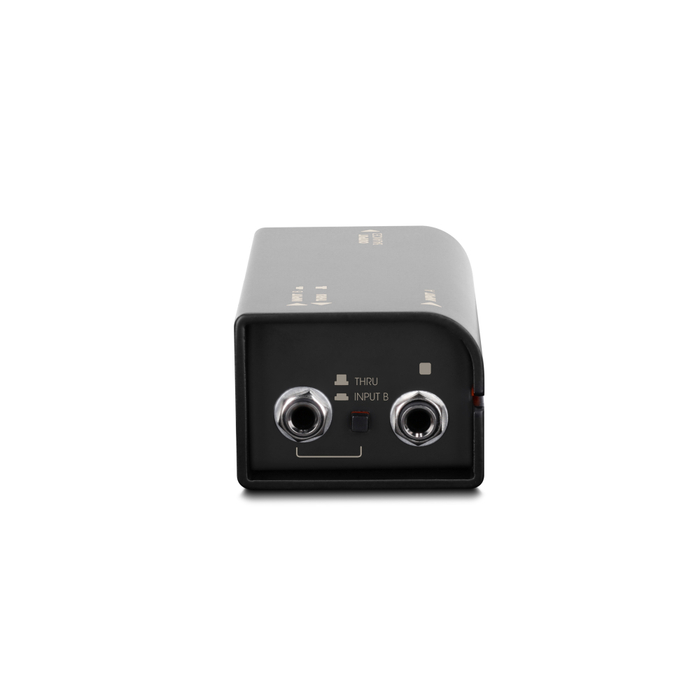
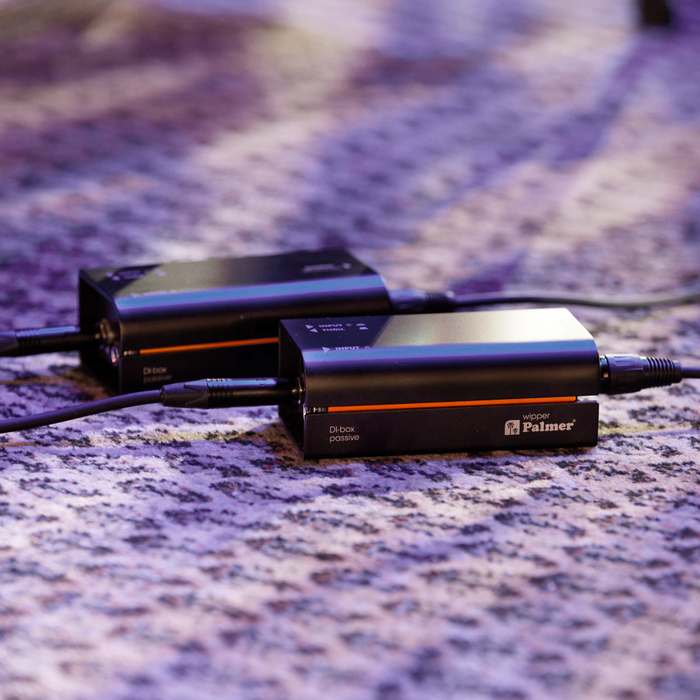
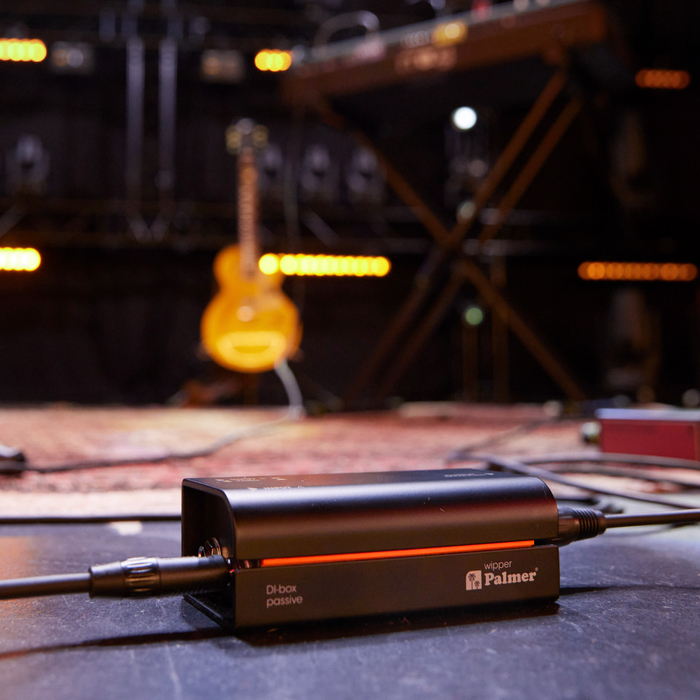
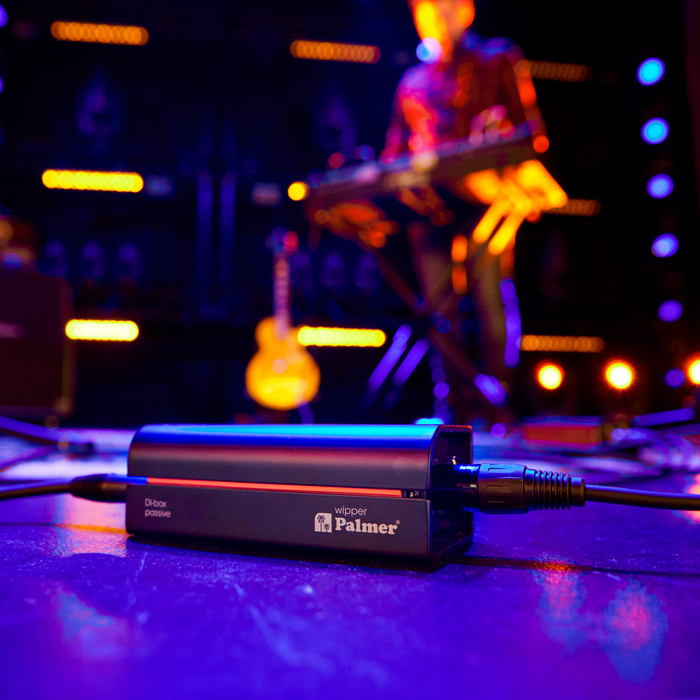
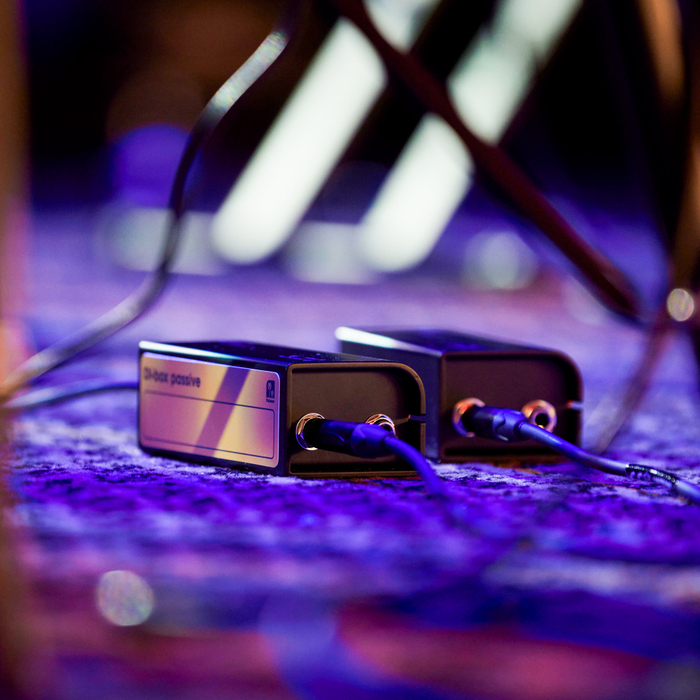
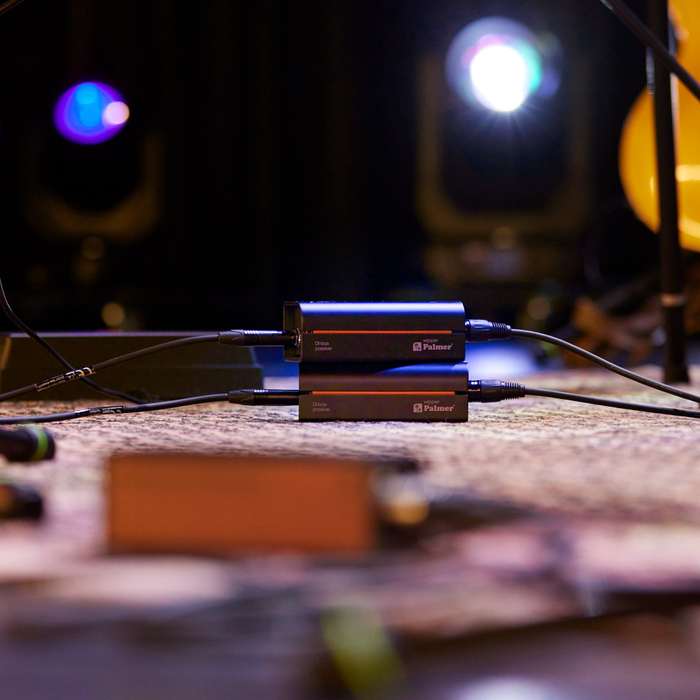
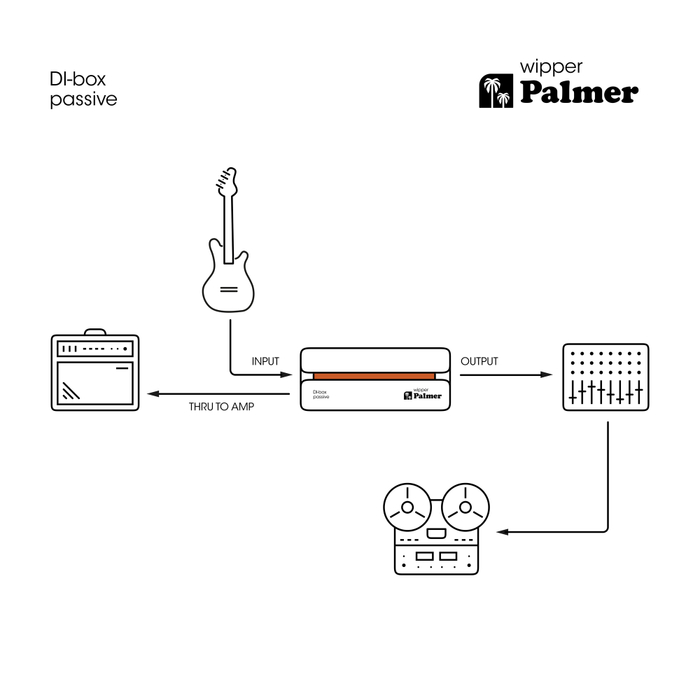
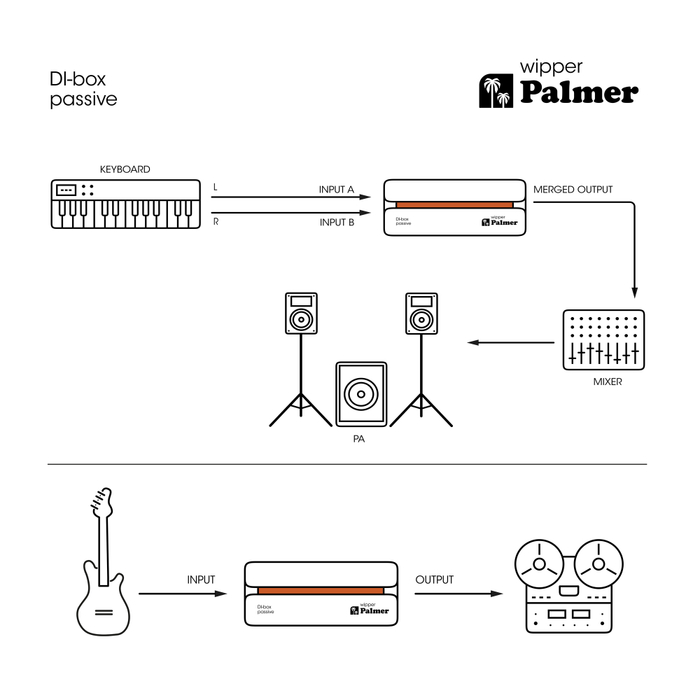

Direct boxes are called "DI" boxes, which stands for "Direct Injection," which means sending an instrument’s signal directly into a mixing console or audio interface without the need for a microphone, ensuring a clean, balanced, and interference-free sound.
Their primary purpose is to convert unbalanced or high-impedance instrument signals into a signal suitable for direct connection to the microphone input of a mixing console, ensuring optimal sound quality in both live and studio settings.
They balance signals to reduce noise and interference, while seamlessly integrating instruments like electric guitars, basses, keyboards, and even vintage synthesizers into professional audio systems.
An unbalanced or high-impedance instrument signal is typically transmitted from the electromagnetic pickup of these instruments, and DI boxes ensure this signal is properly prepared for further processing.
The simplest way to give you a clear picture of when you would need one is to look at how they developed.
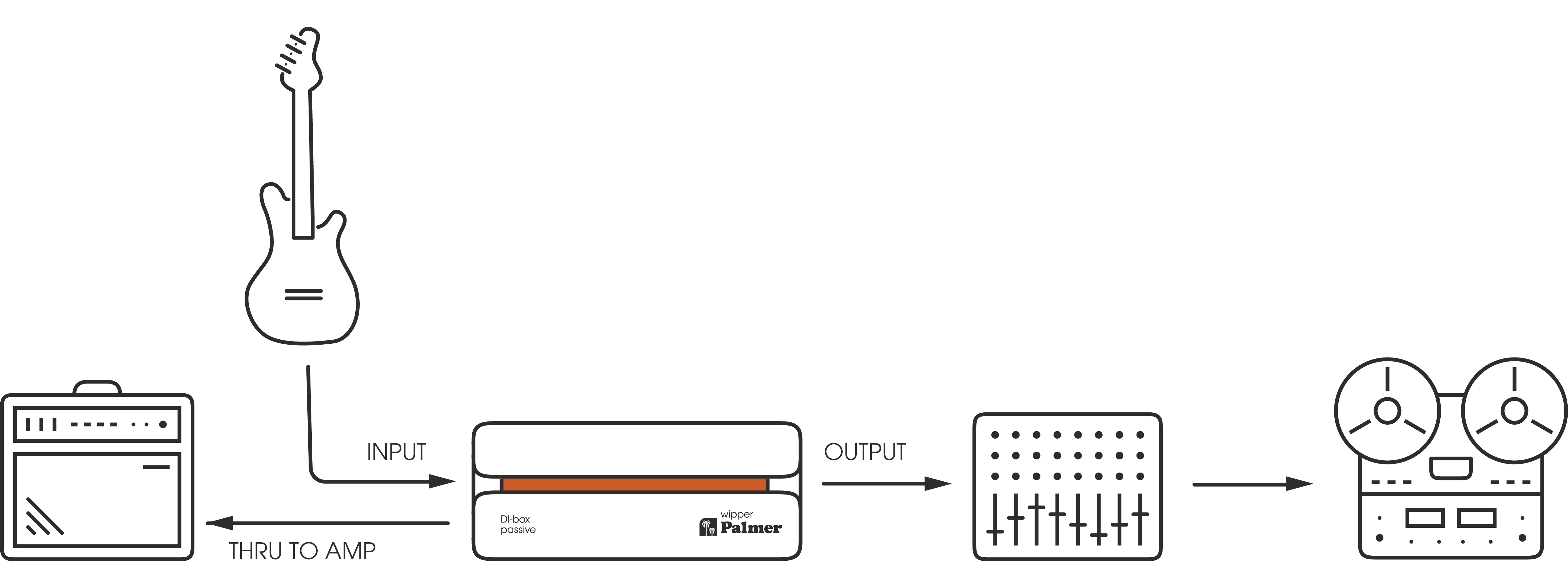
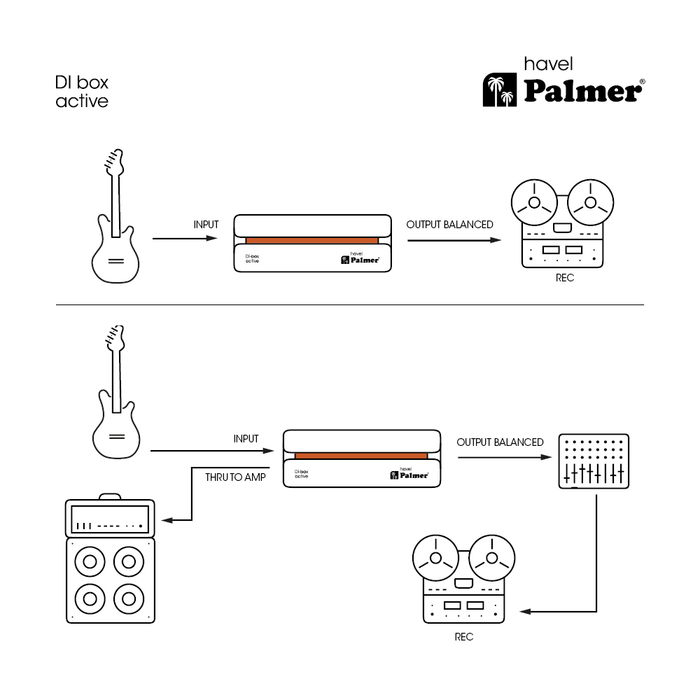
In the "electronic stone age", only acoustic instruments were recorded with a microphone. As the first electronic instruments emerged, a microphone was simply placed in front of the sound source, i.e. the guitar amplifier. Then someone came up with the idea of skipping the conversion of the electric to acoustic signal through a loudspeaker/microphone. This was done by directly feeding the electrical signal generated by the electronic instrument (i.e. electric guitar) into the mixing console.
However, since the electrical signal from a music instrument is not necessarily compatible with the output signal from a microphone, a special signal converter box was needed. This is where the DI box came into play, which is still needed in most cases today.
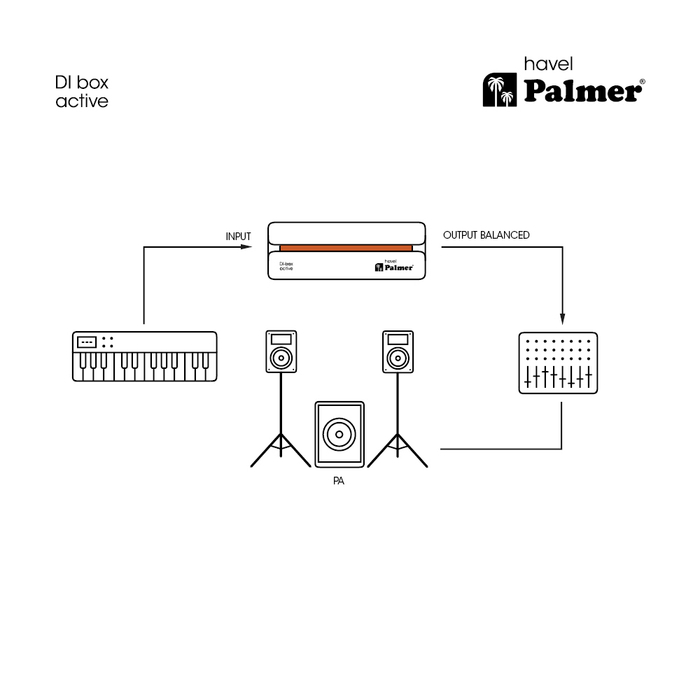
In other words, if you want to go directly from the instrument to the mixing console or audio interface, you will need a DI box.
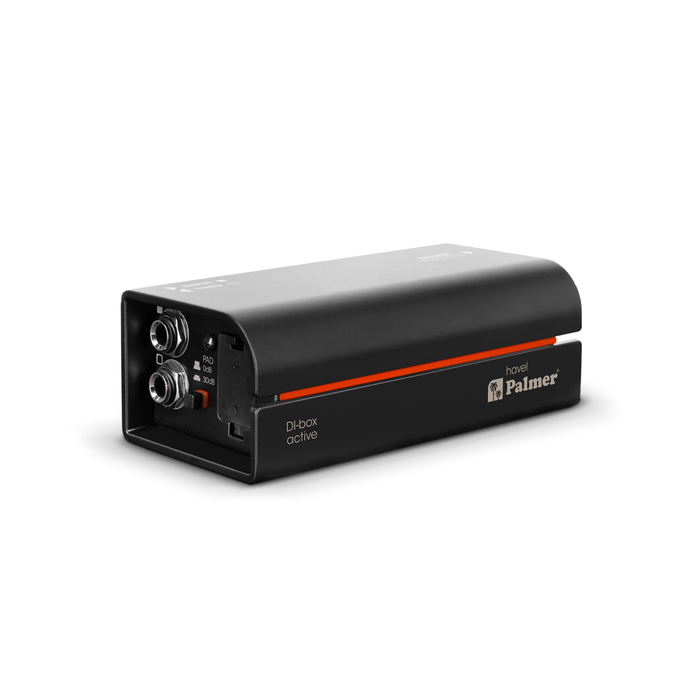
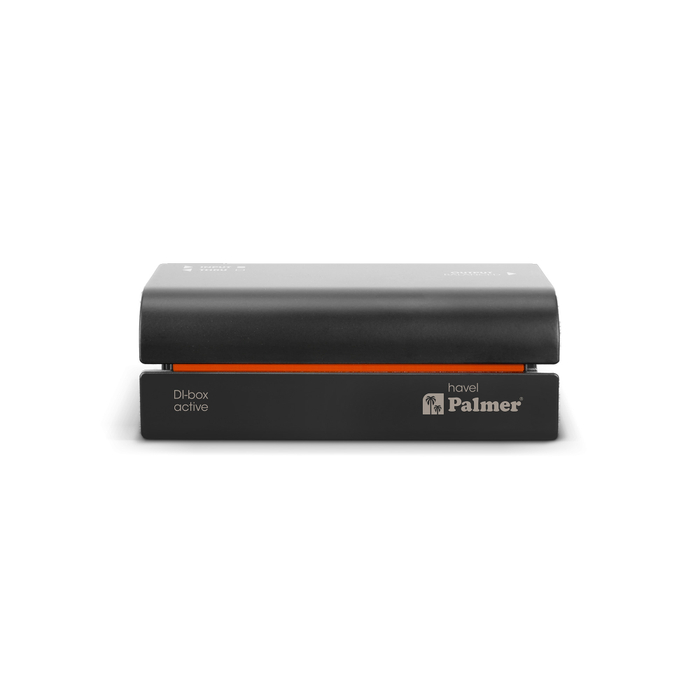
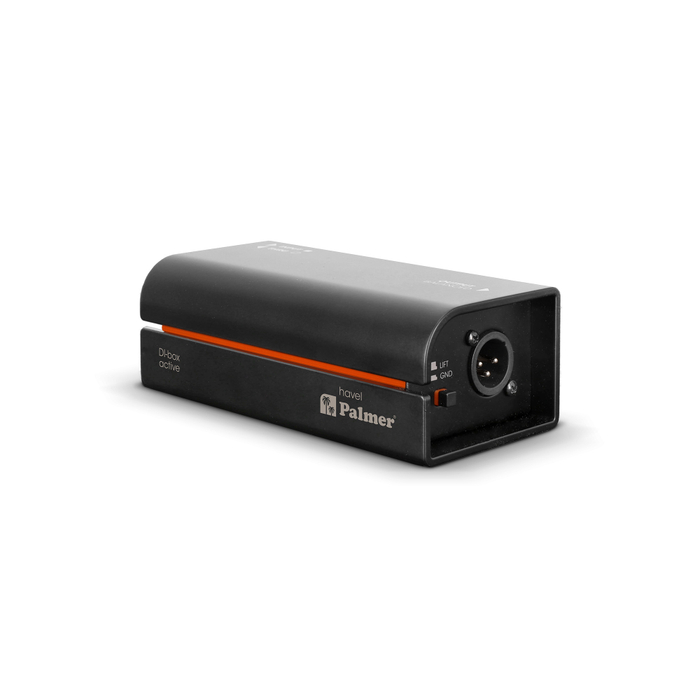
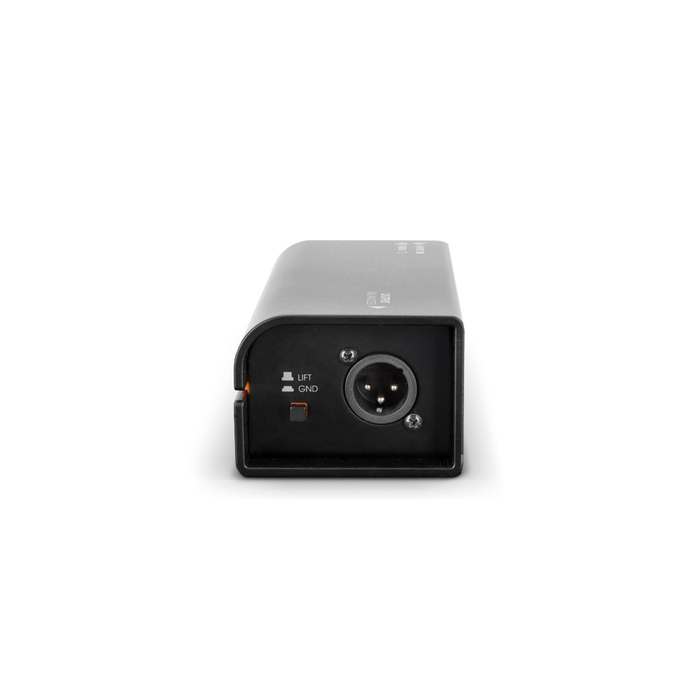
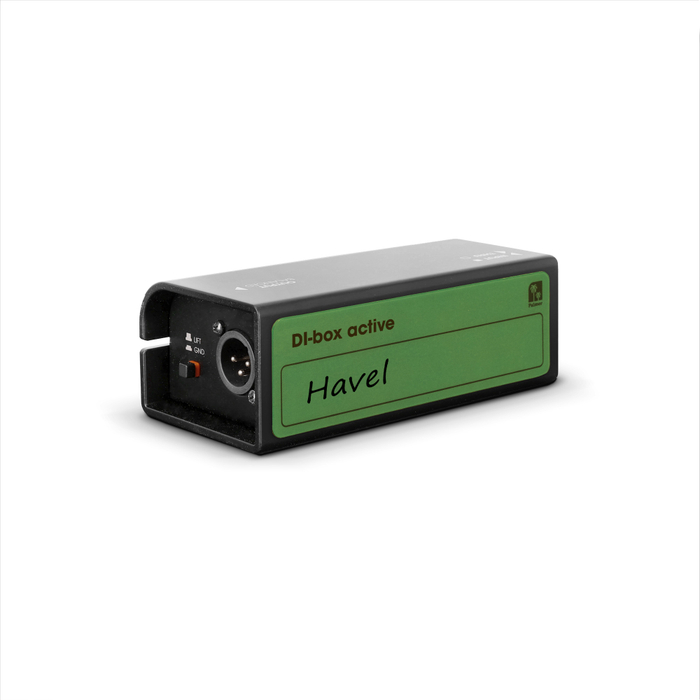
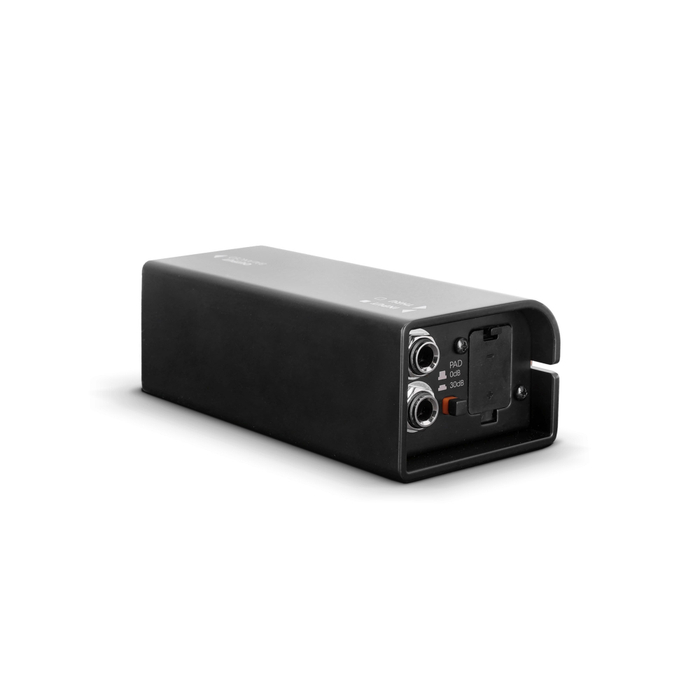
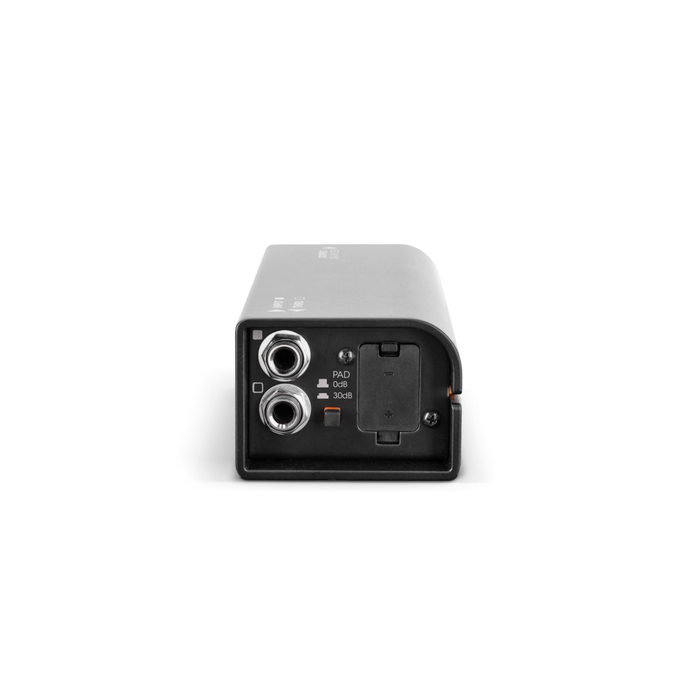
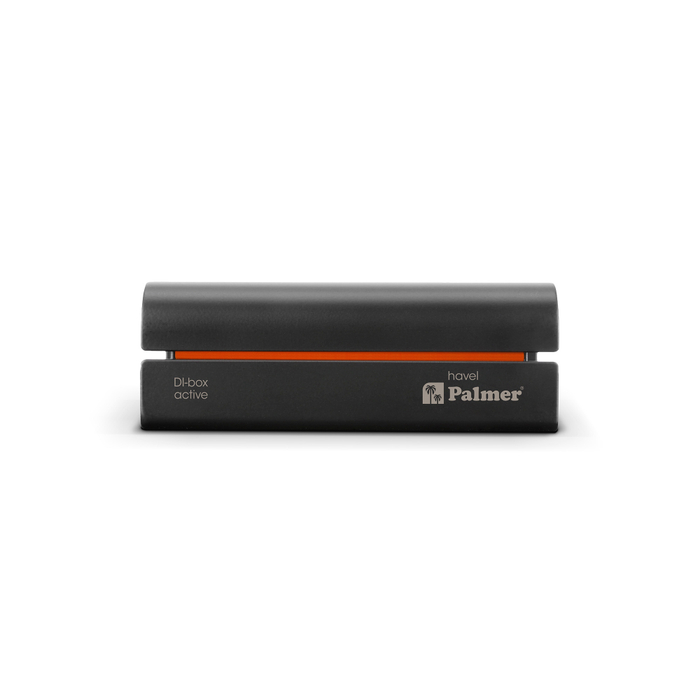
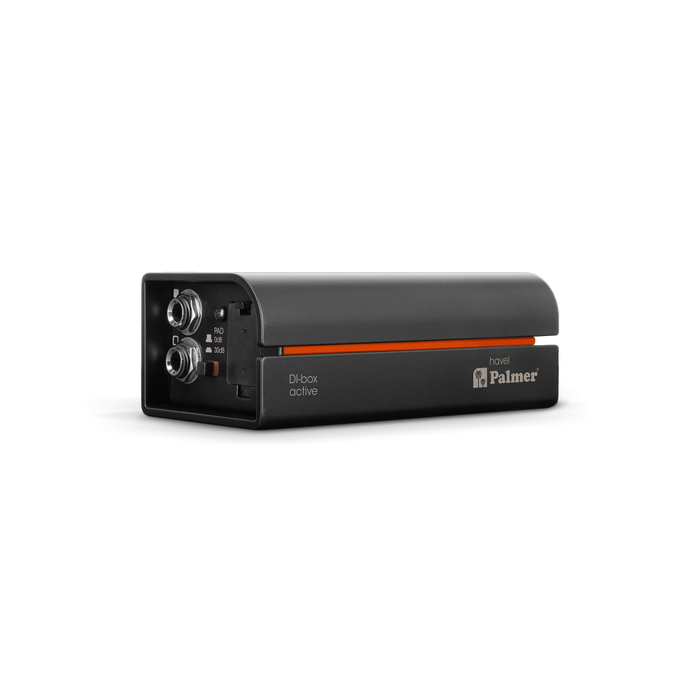
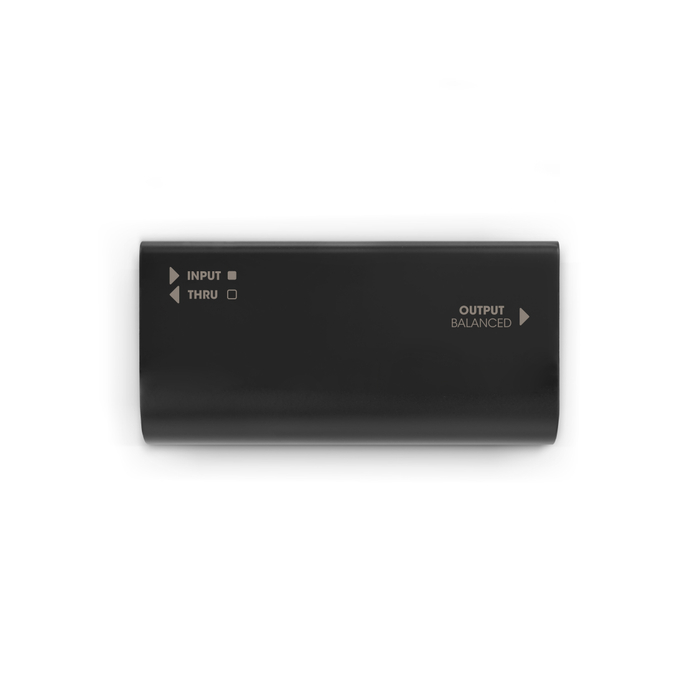
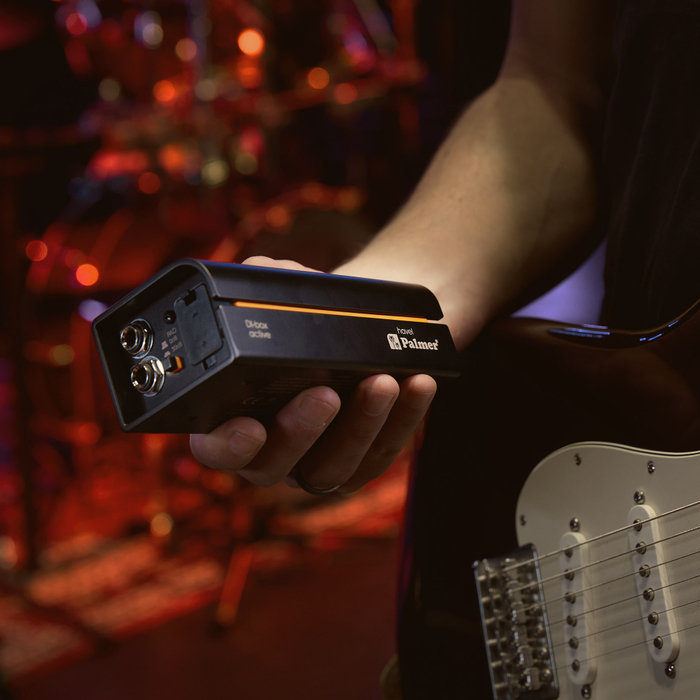
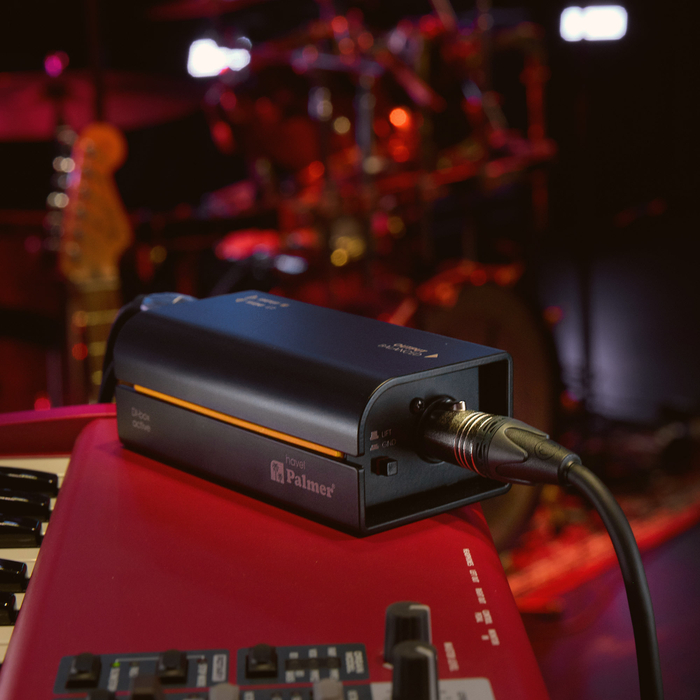
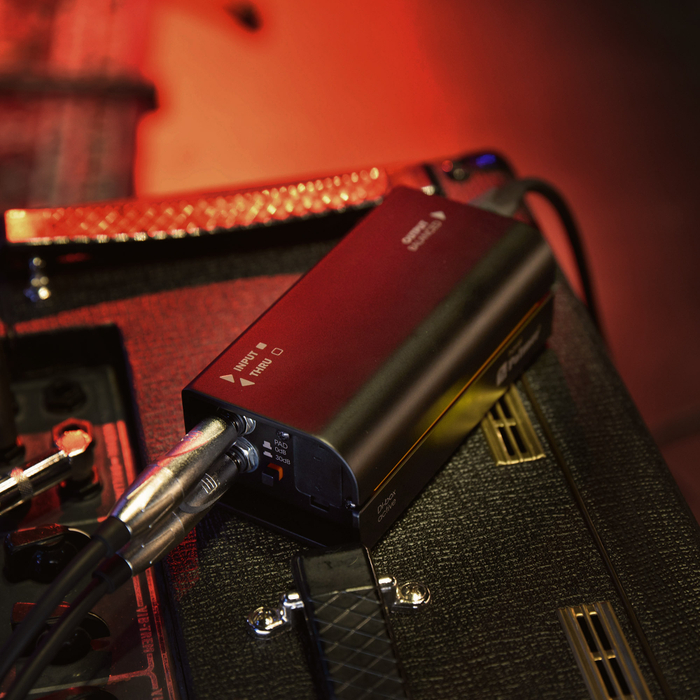
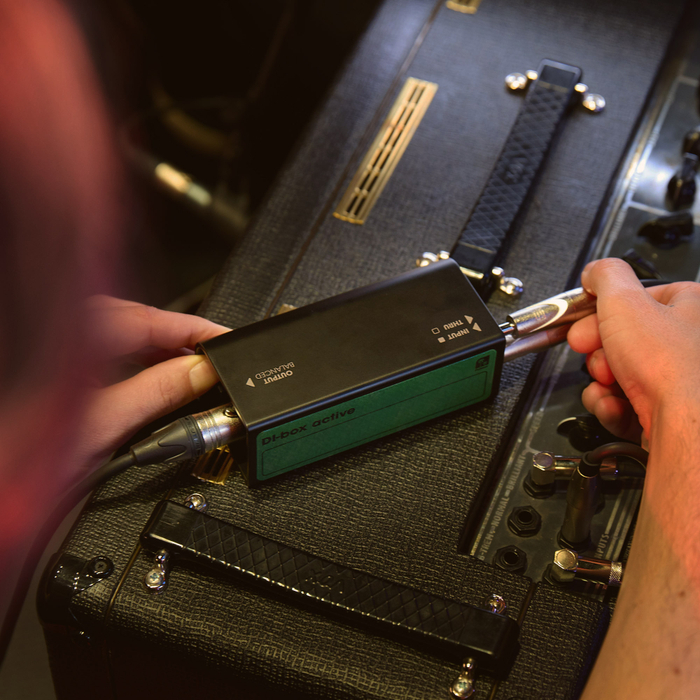
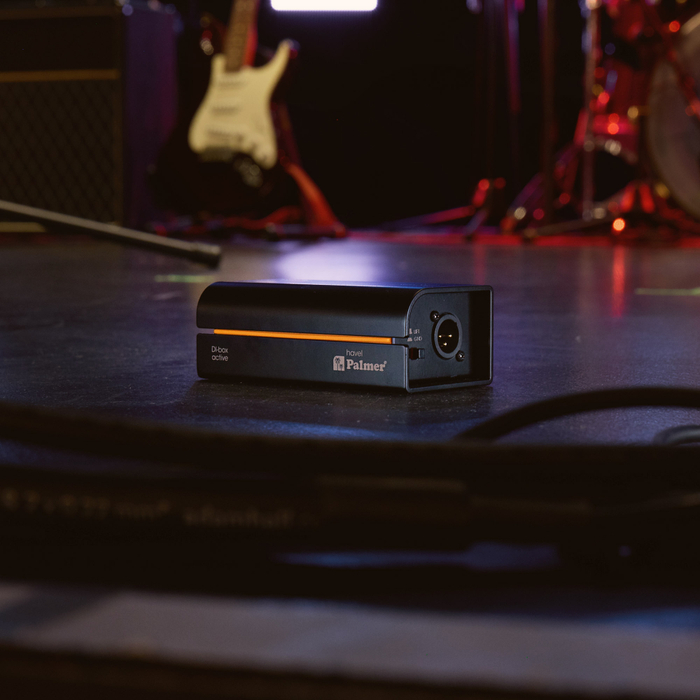
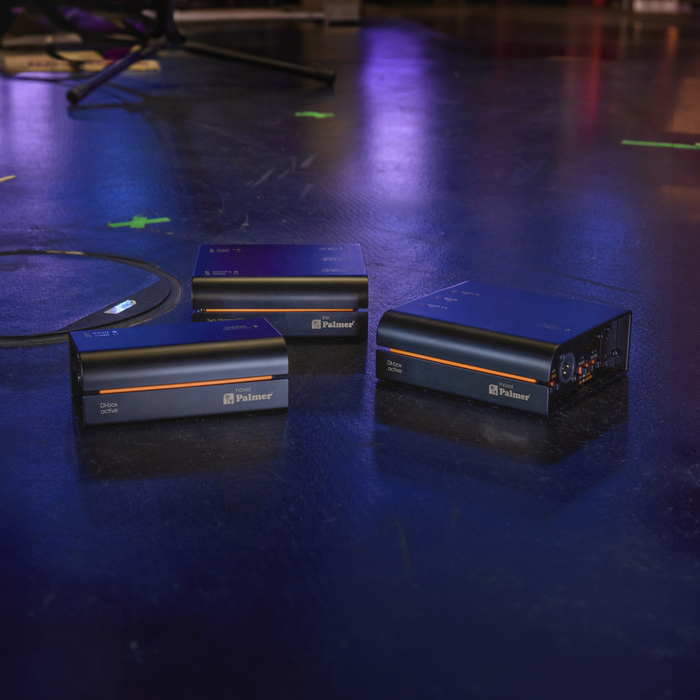
Active DI box
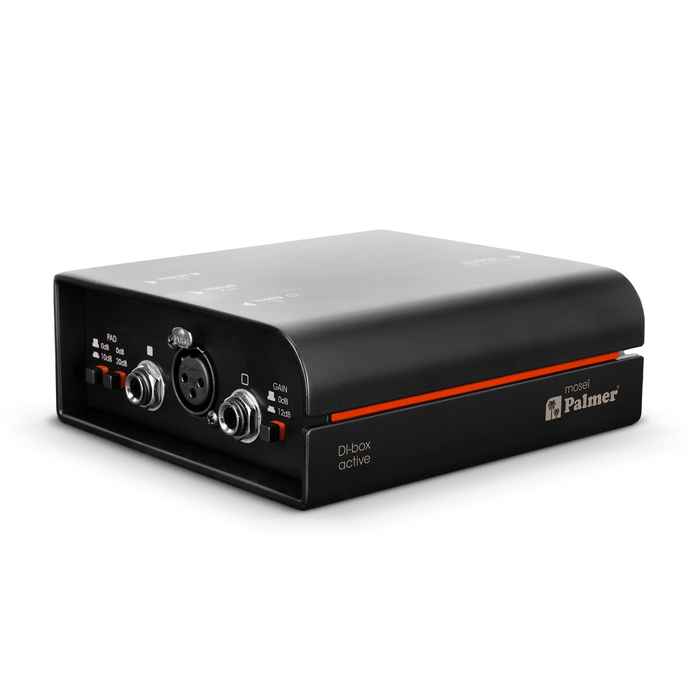
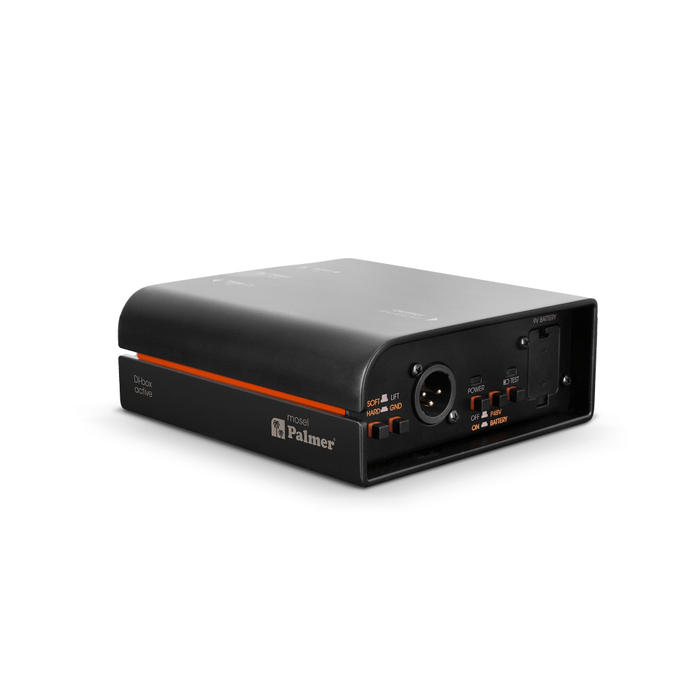
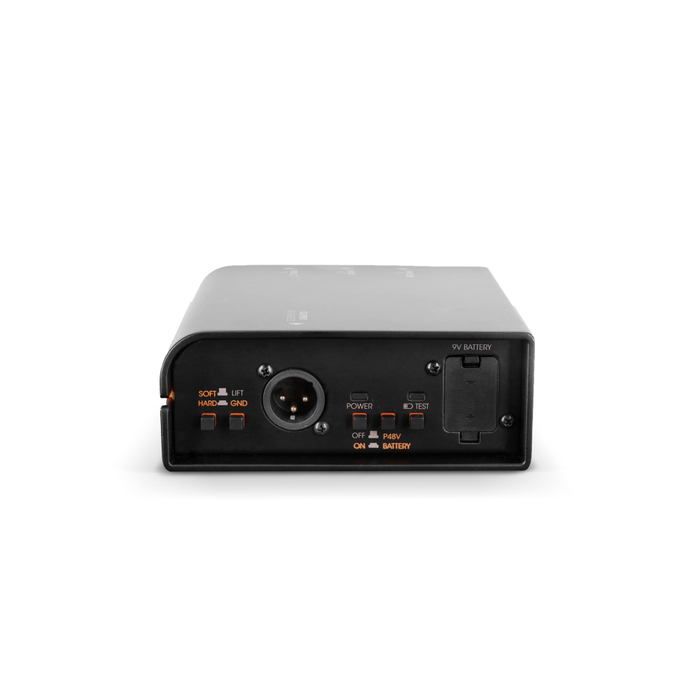
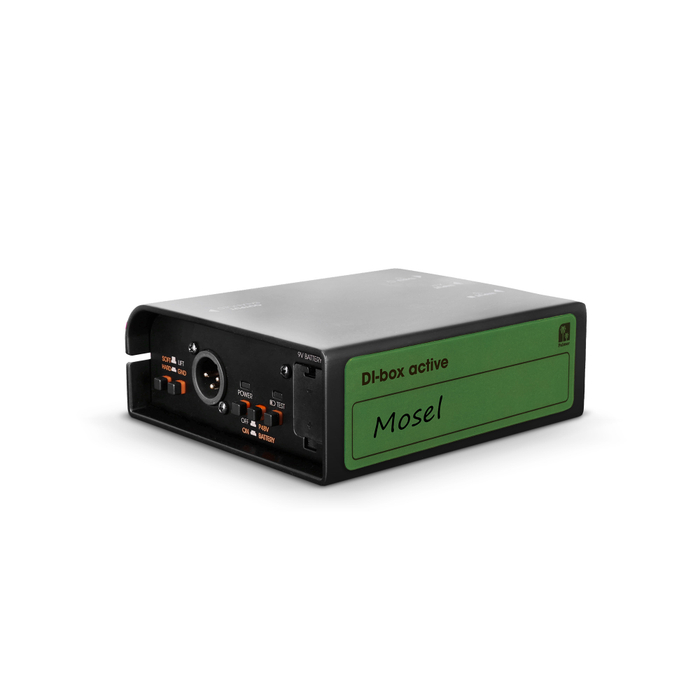
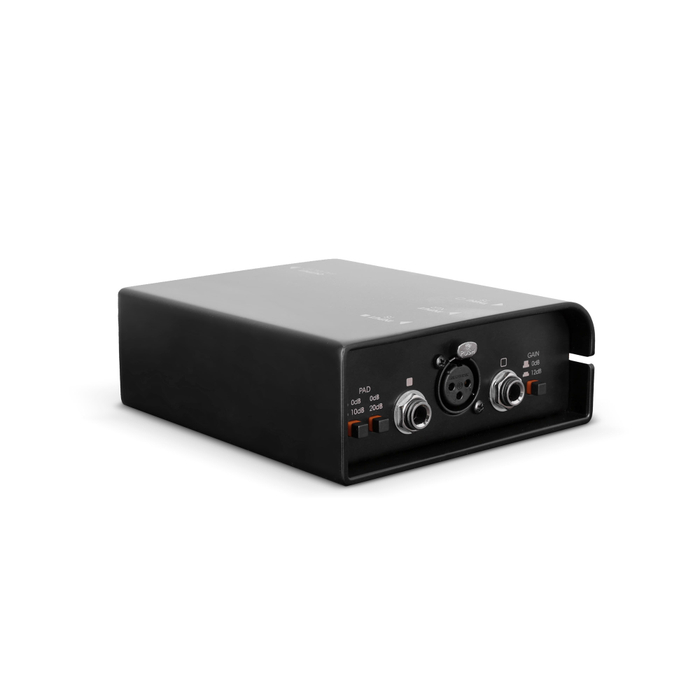
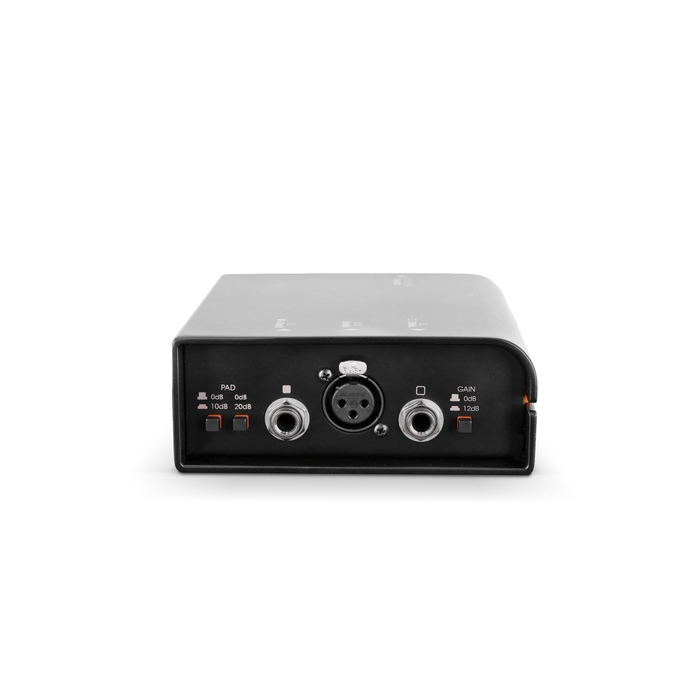
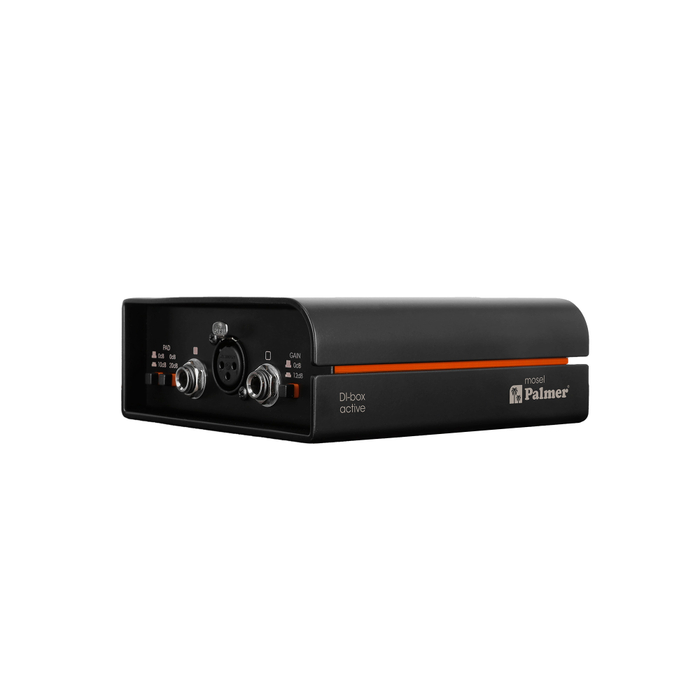
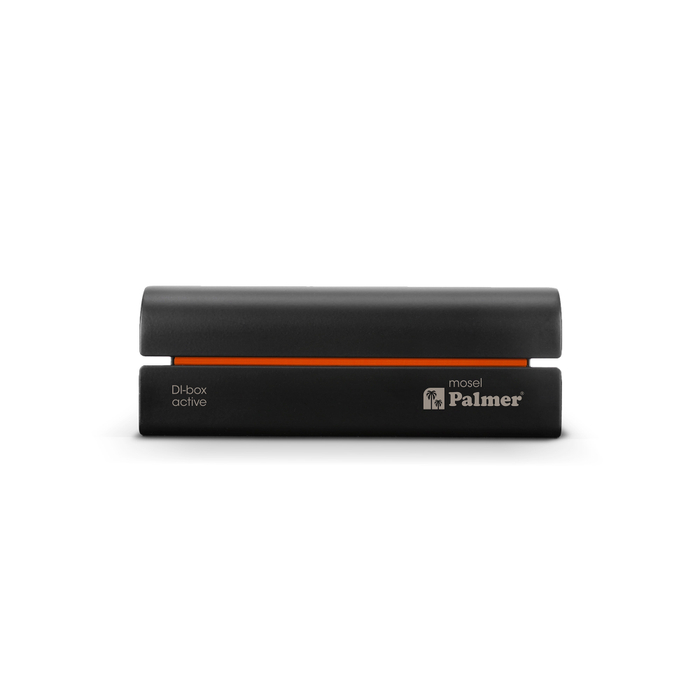
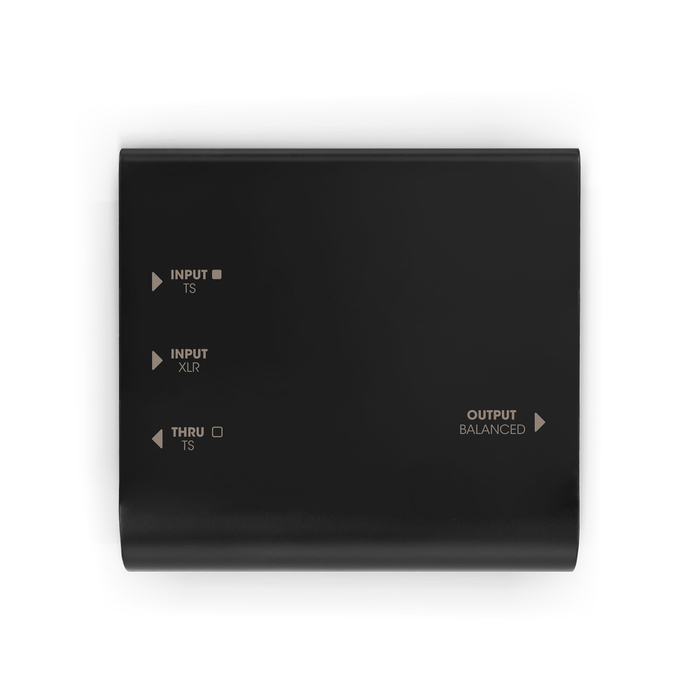
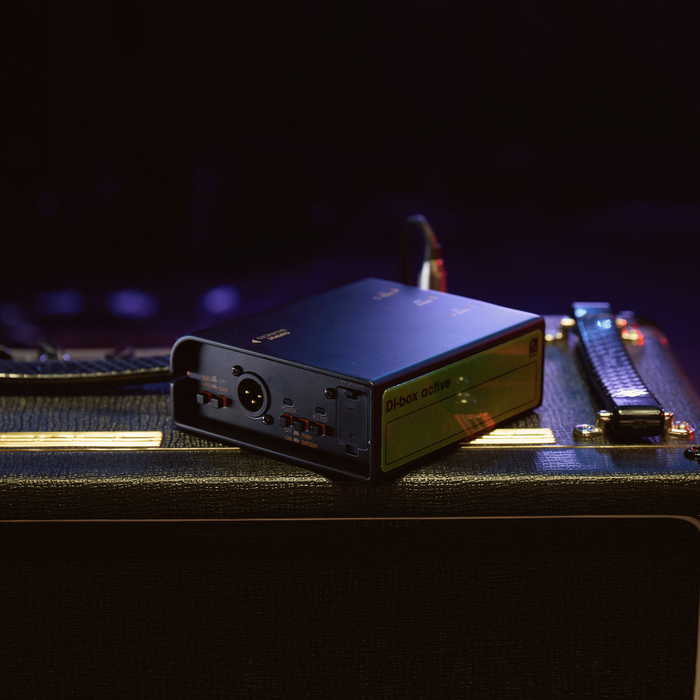
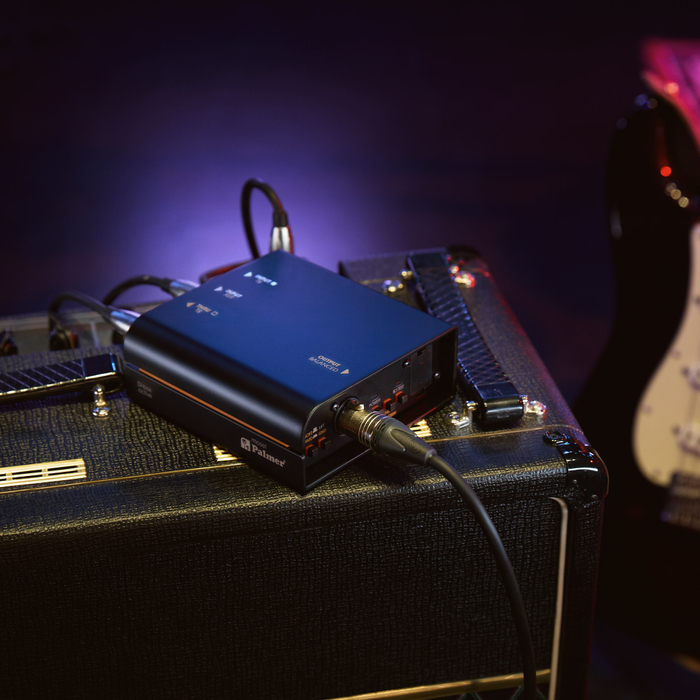
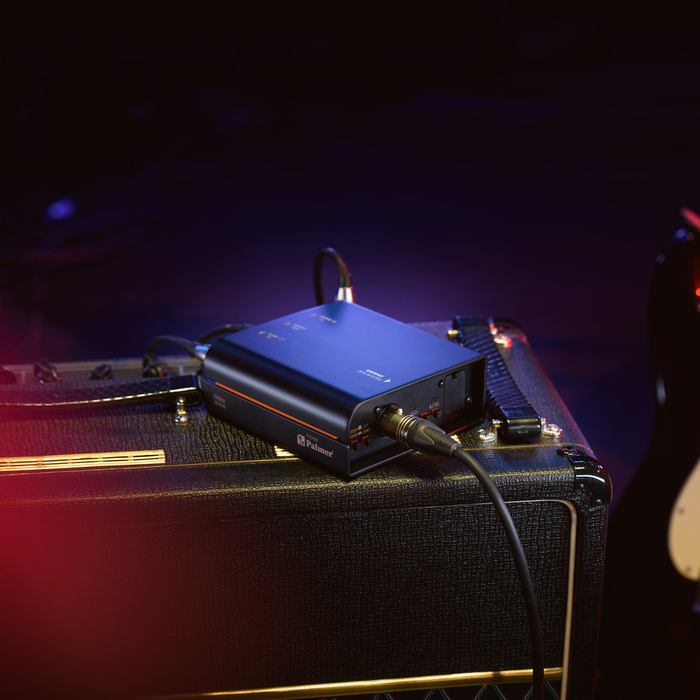
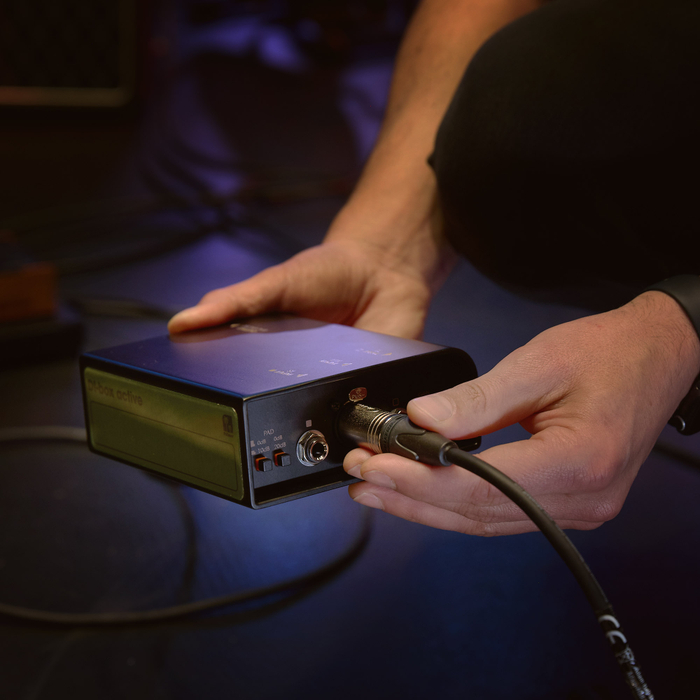
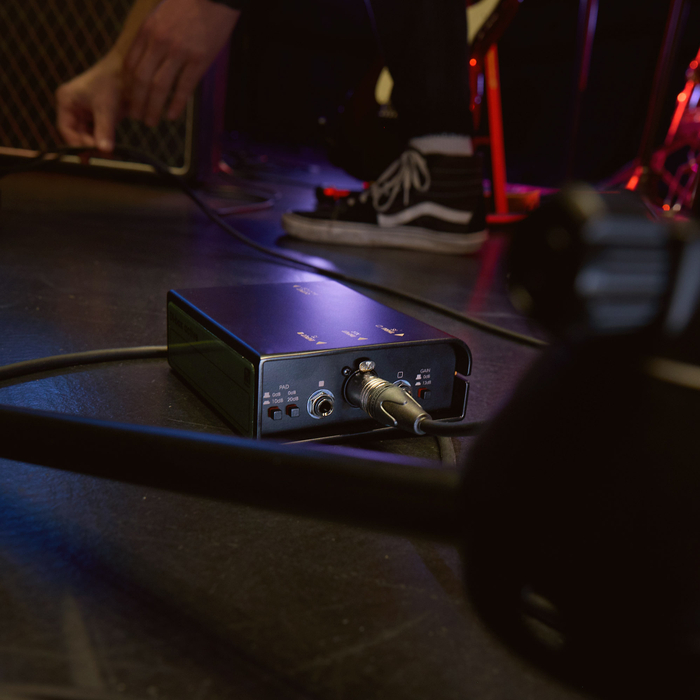
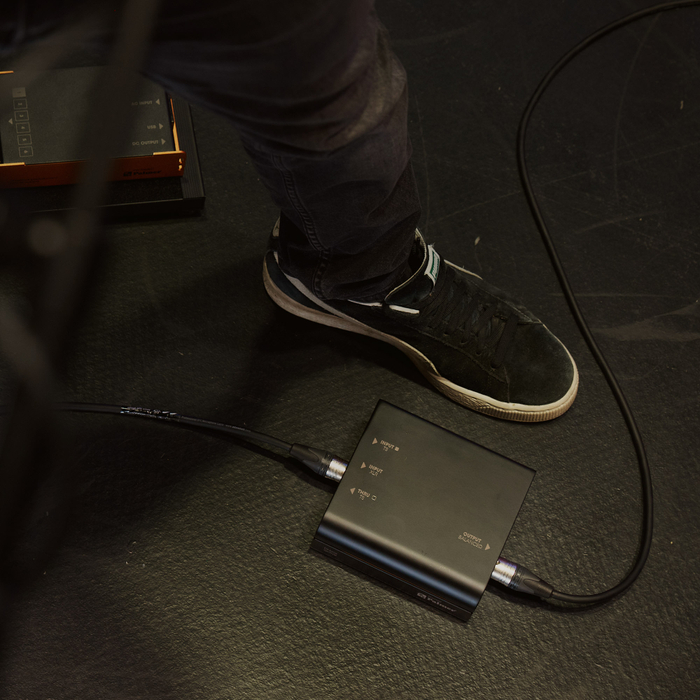
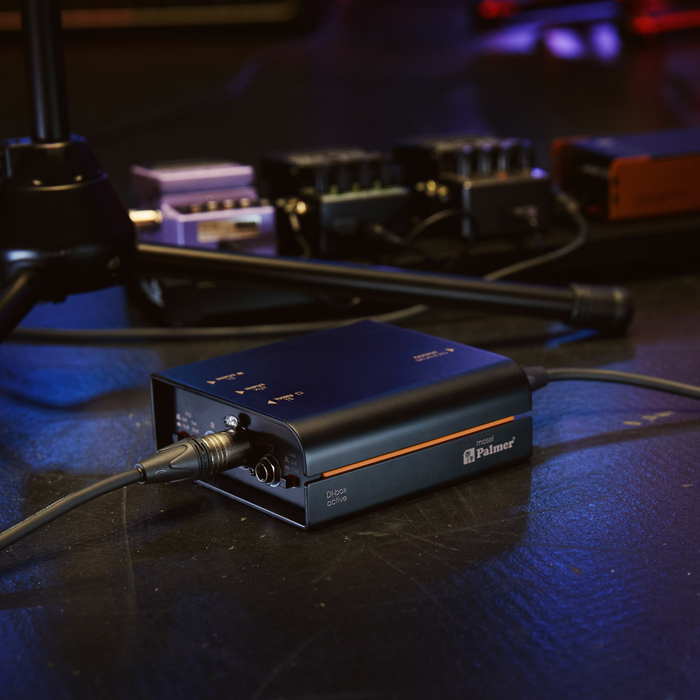
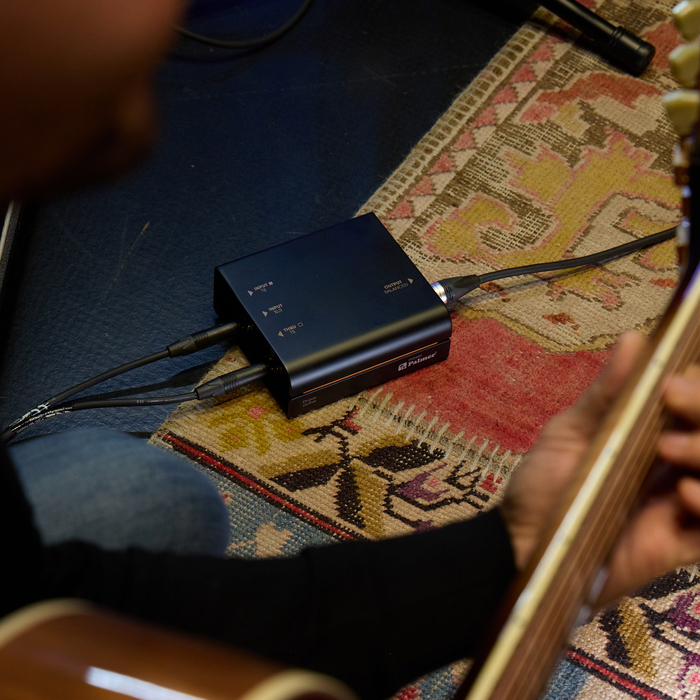
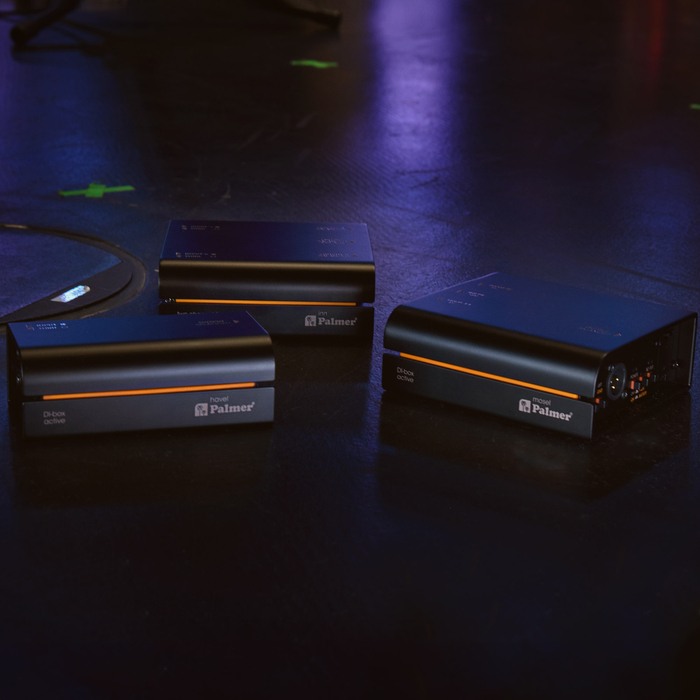
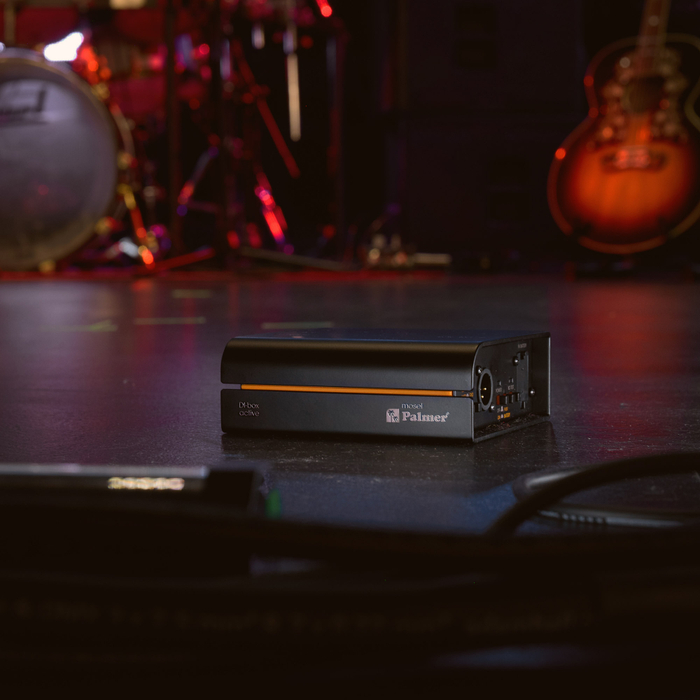
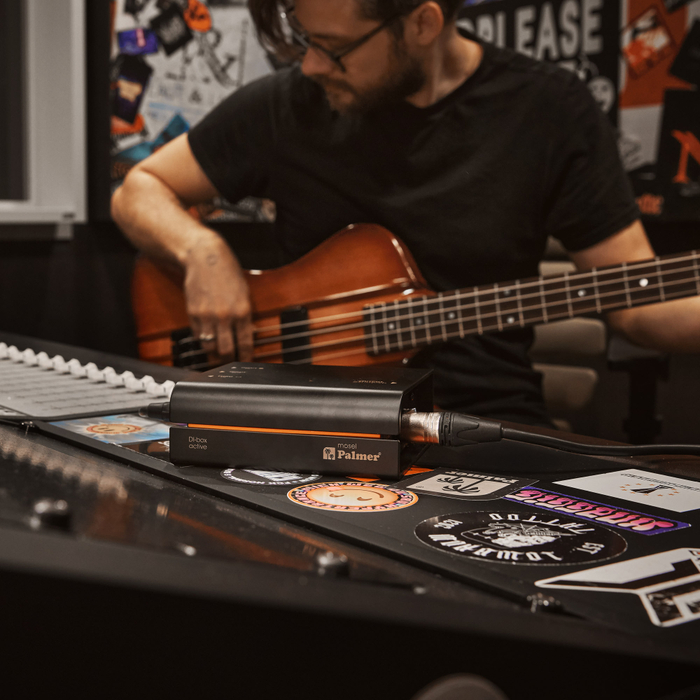
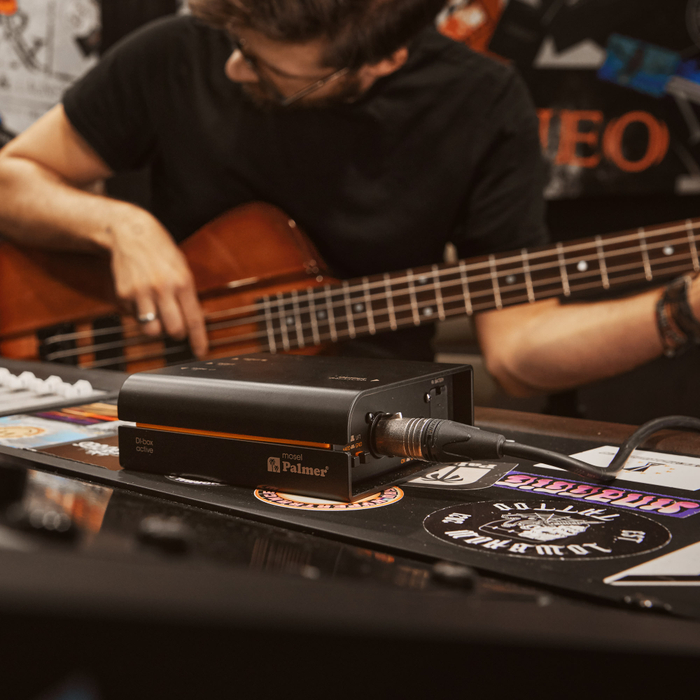
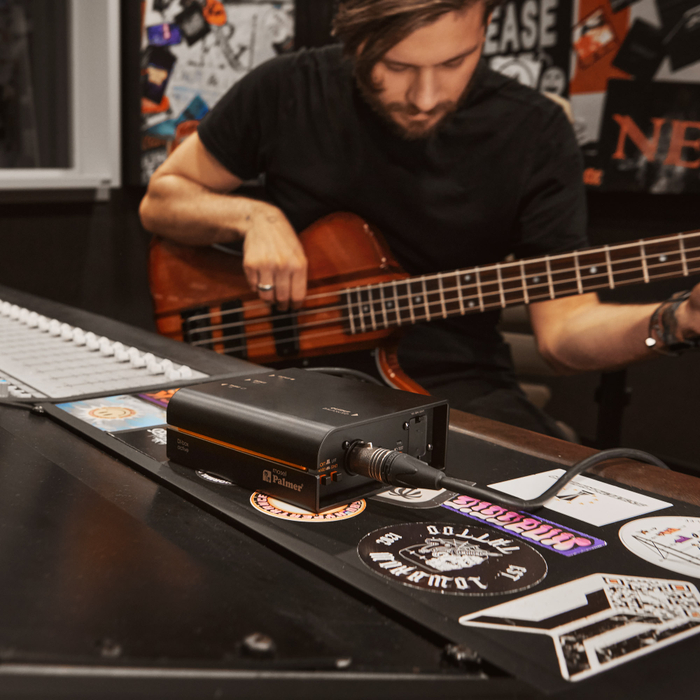
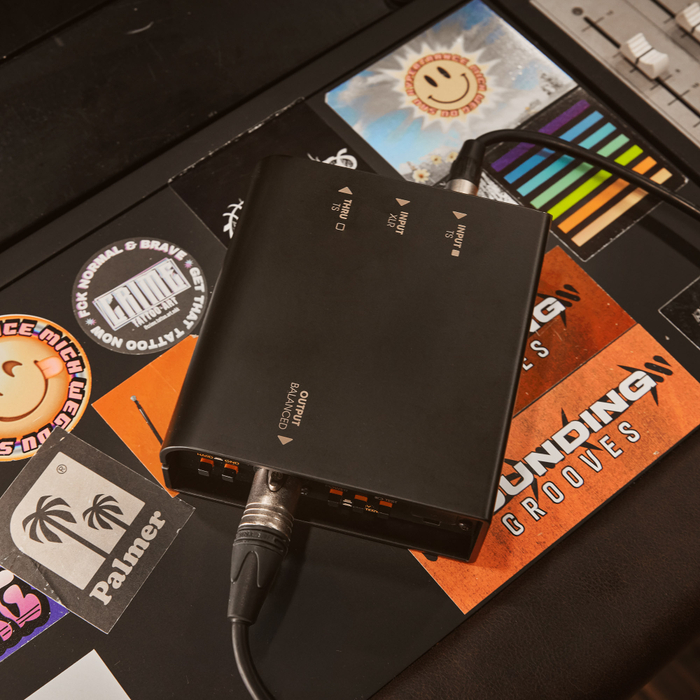
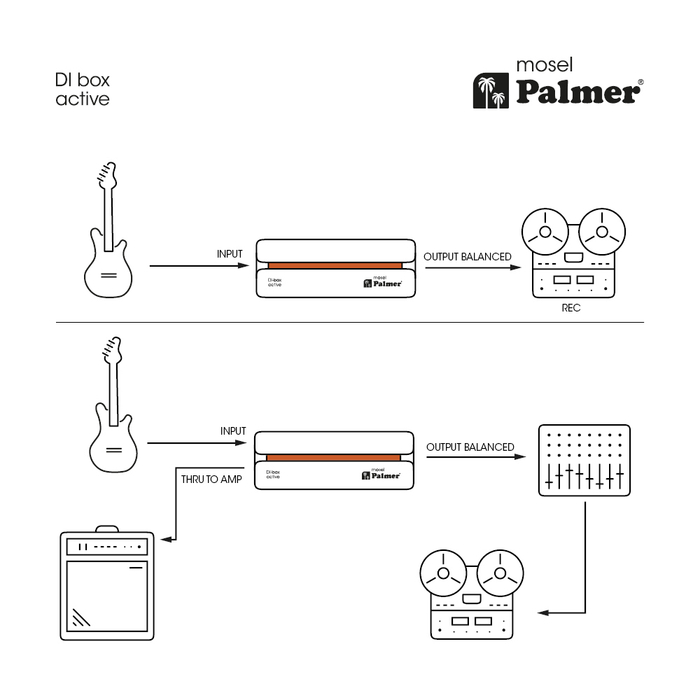
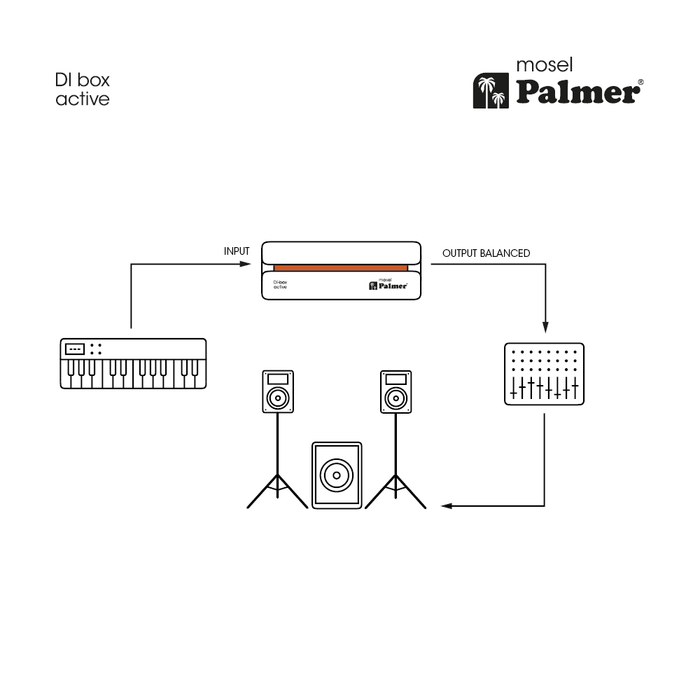
Active DI box
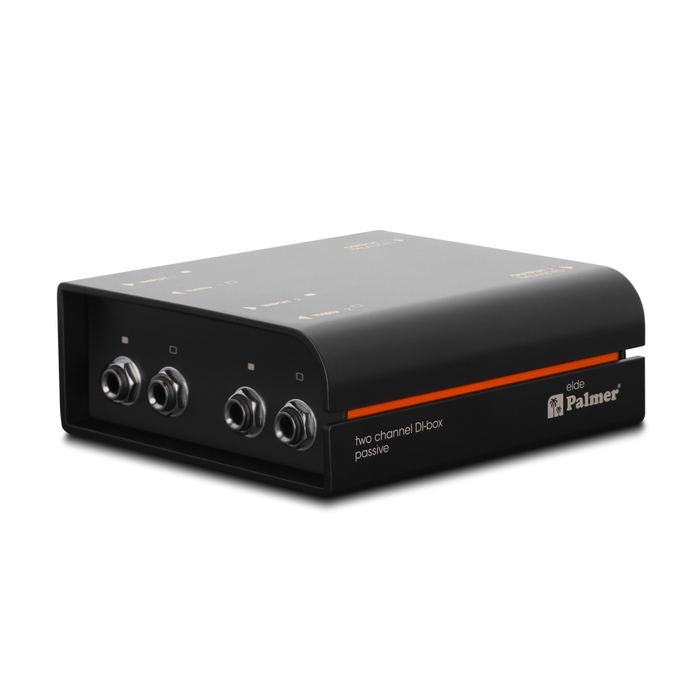
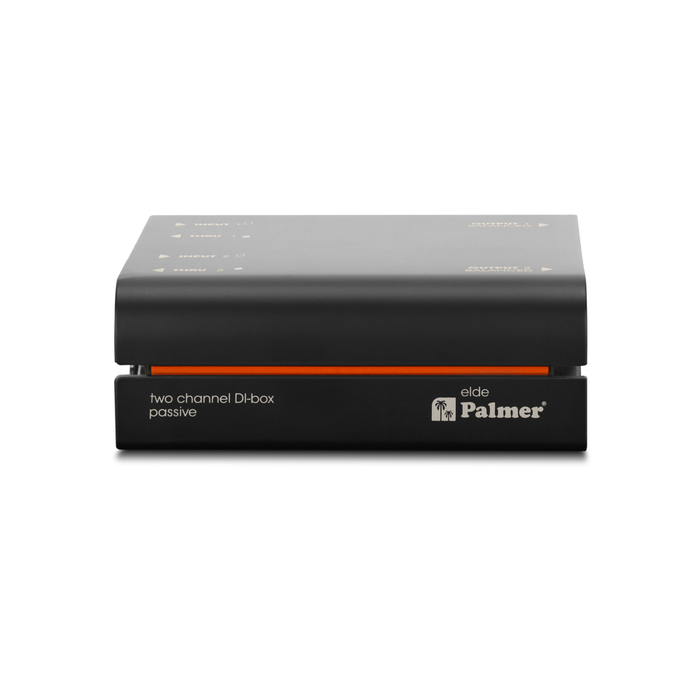
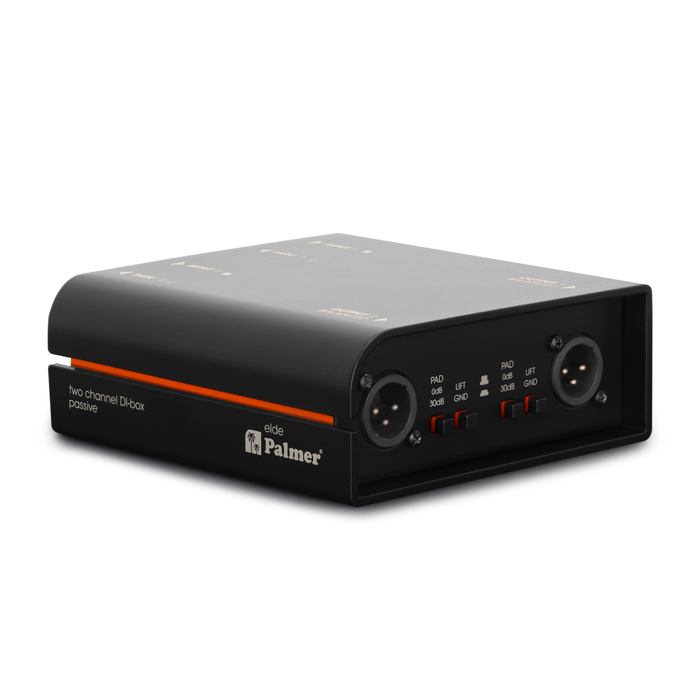
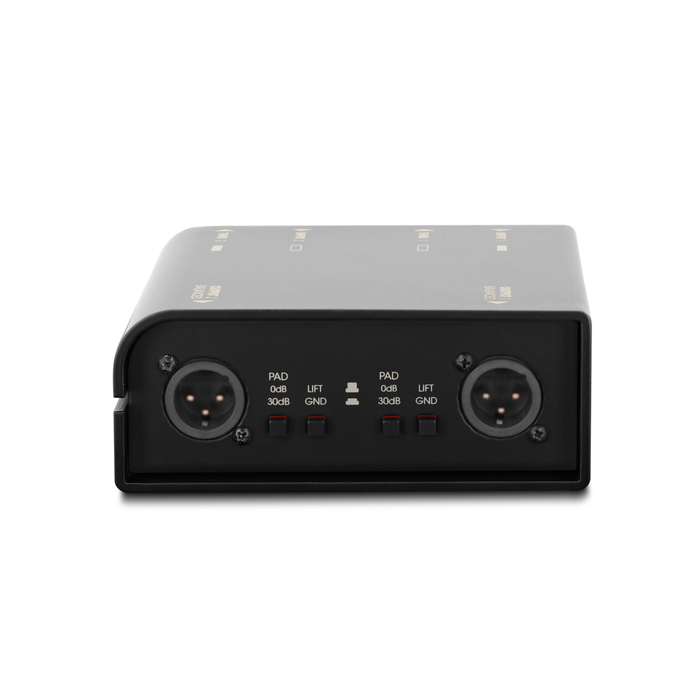
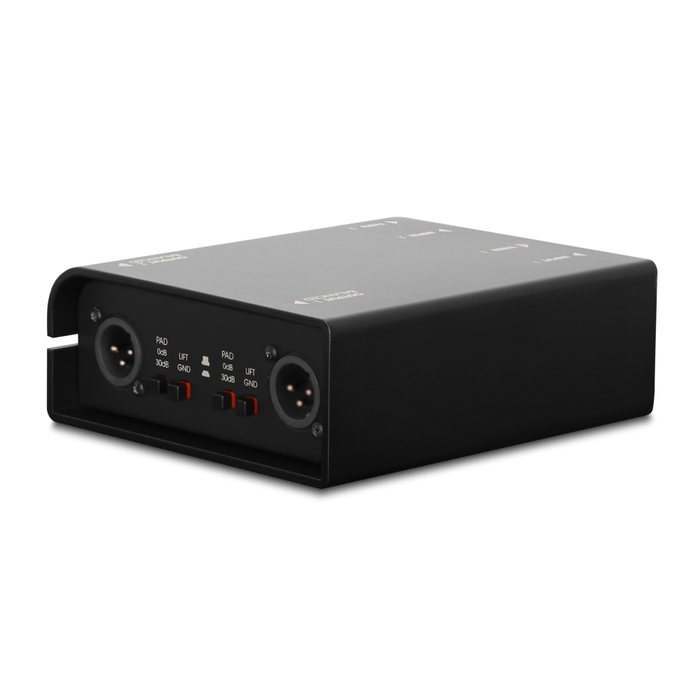
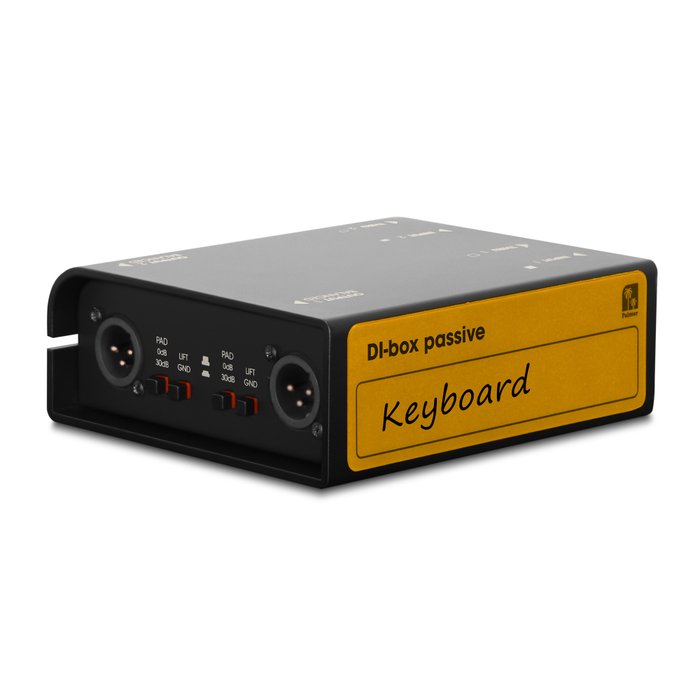
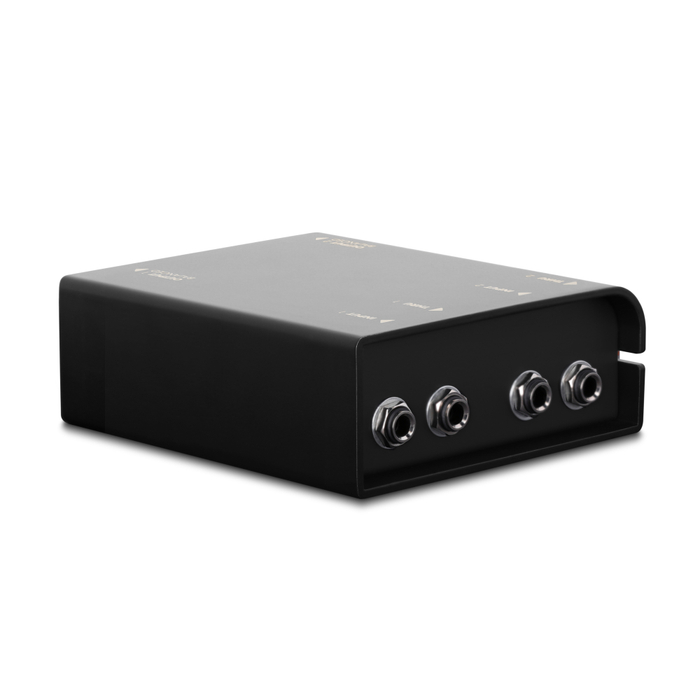
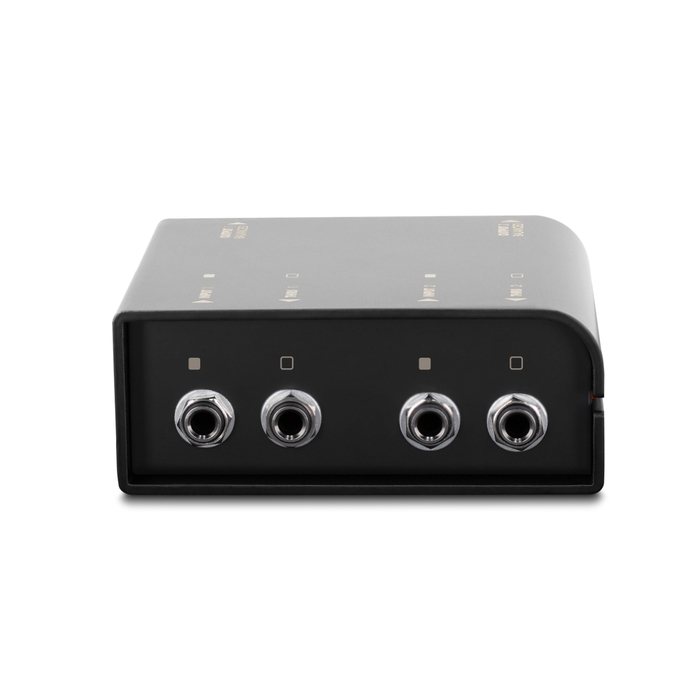
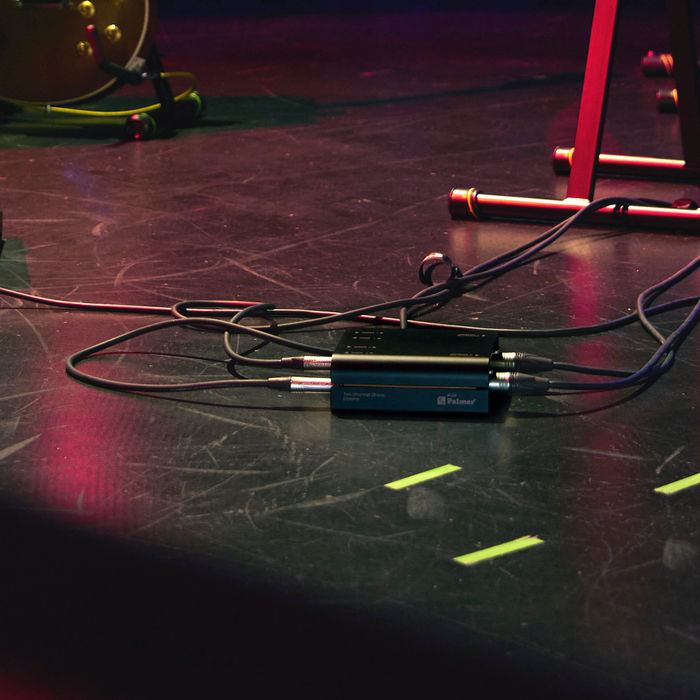
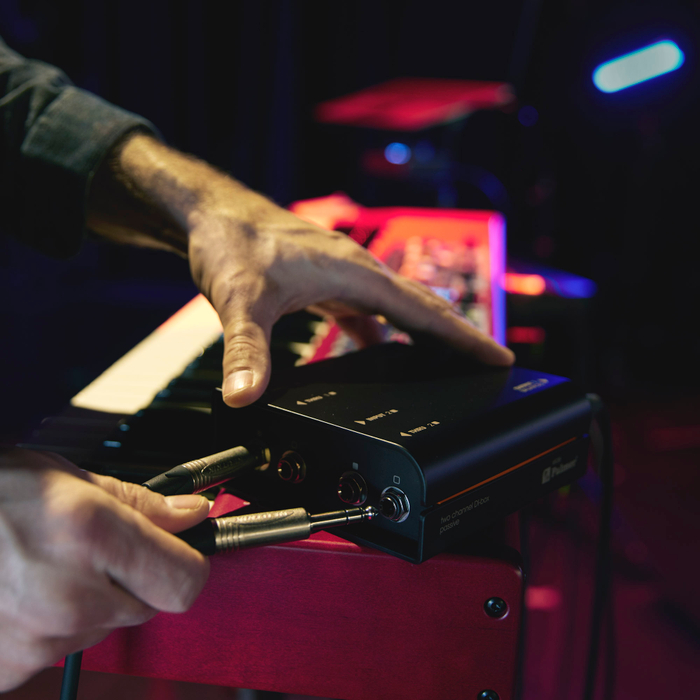
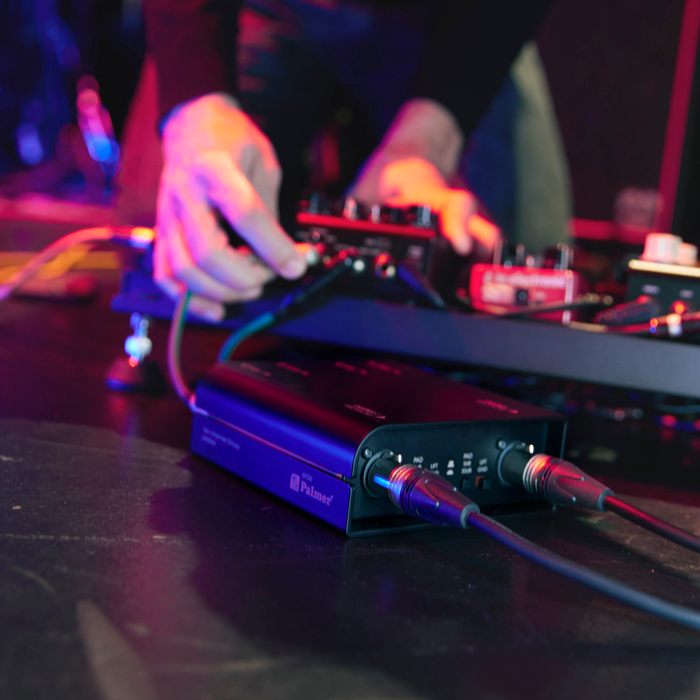
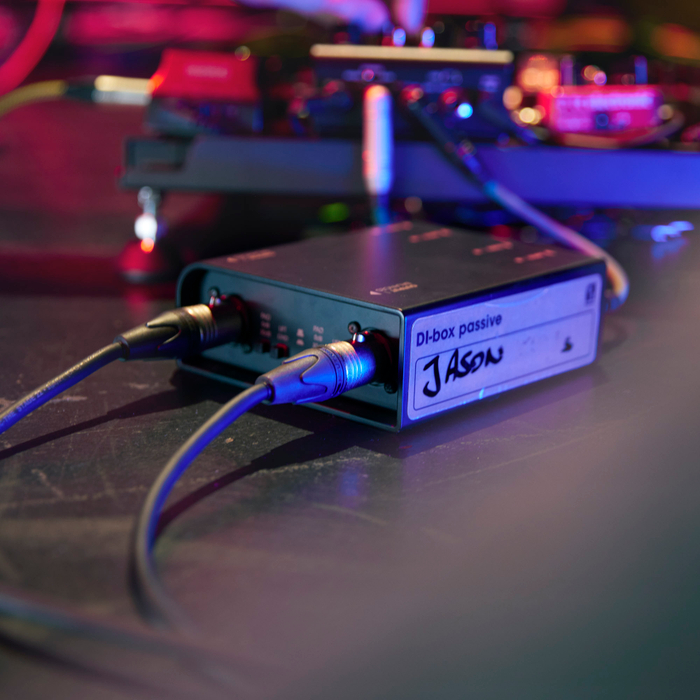
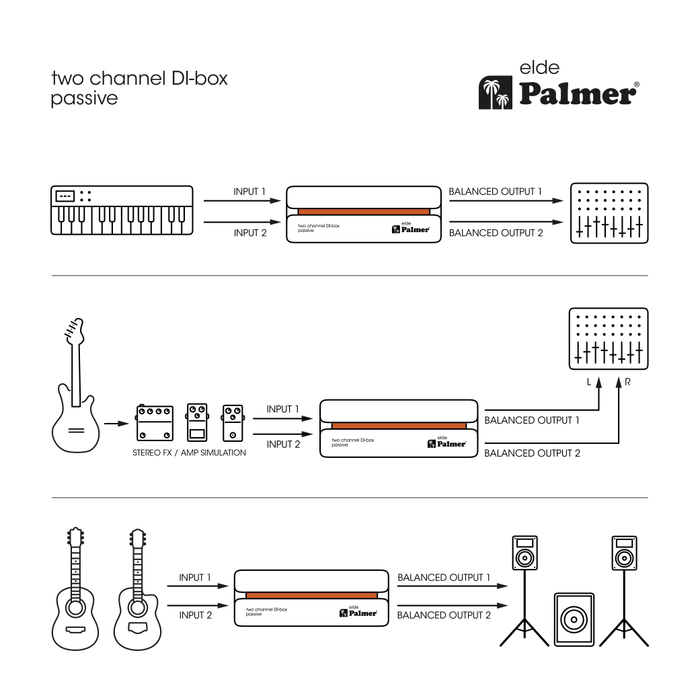
Passive 2-channel DI box
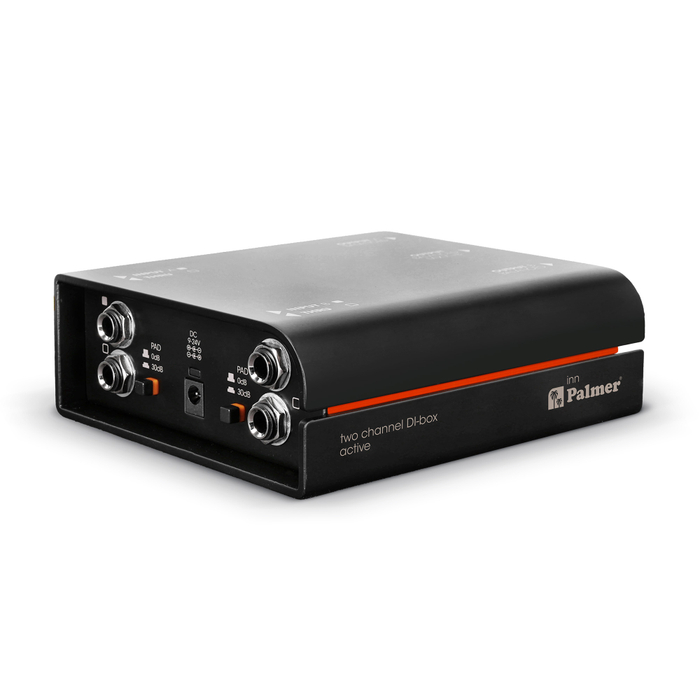
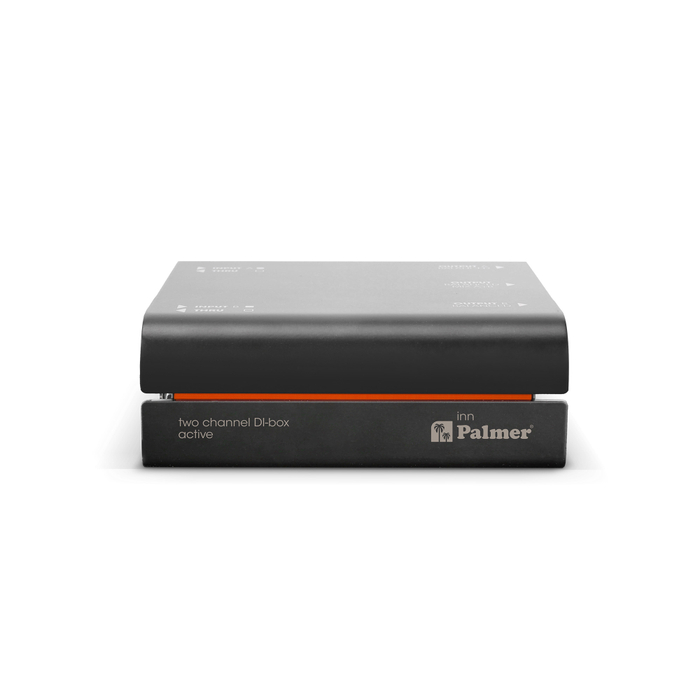
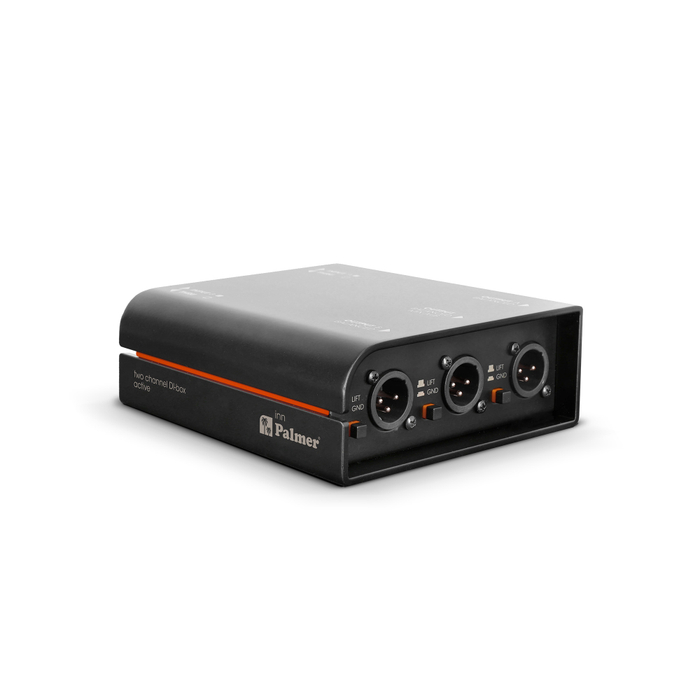
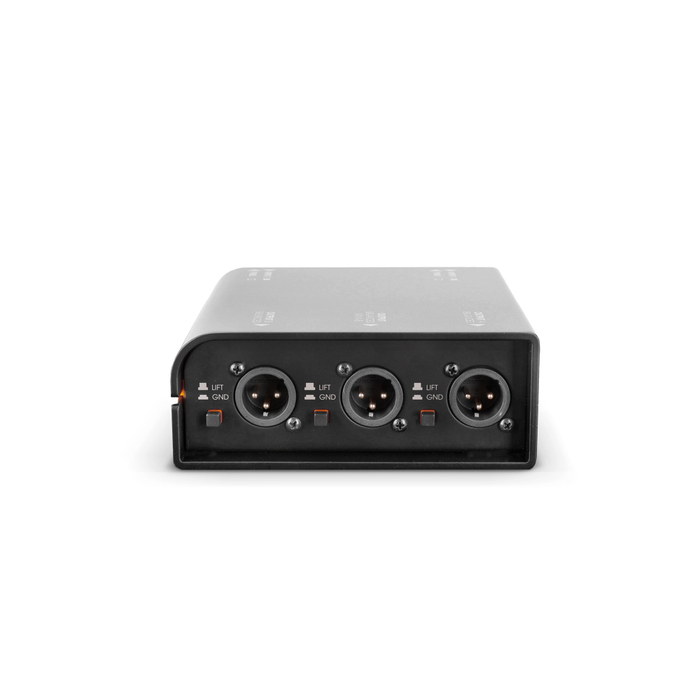
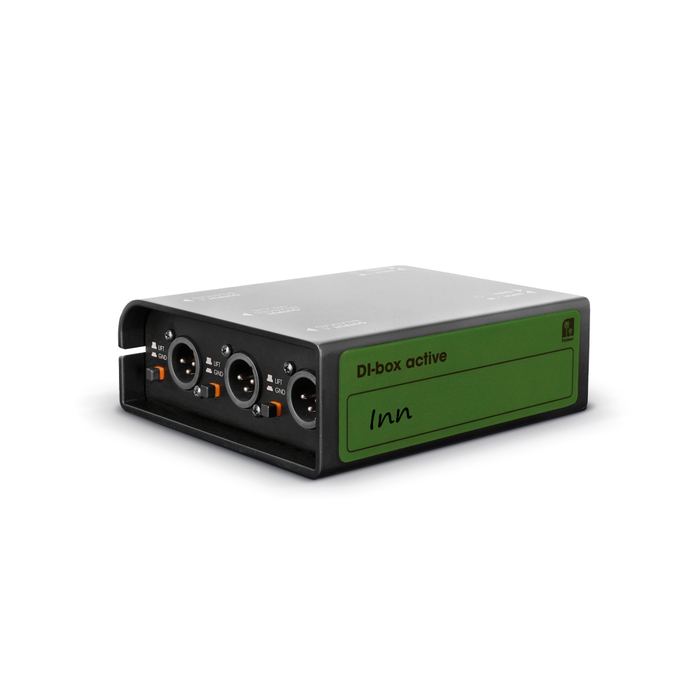
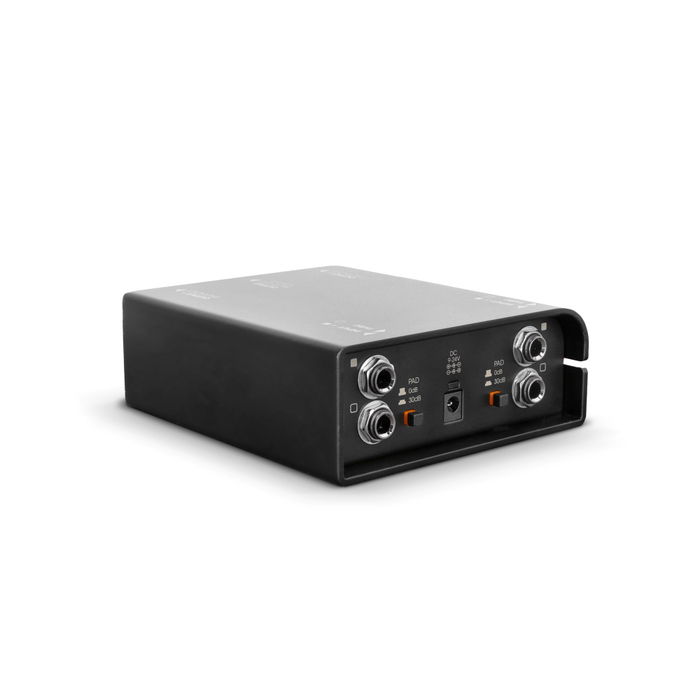
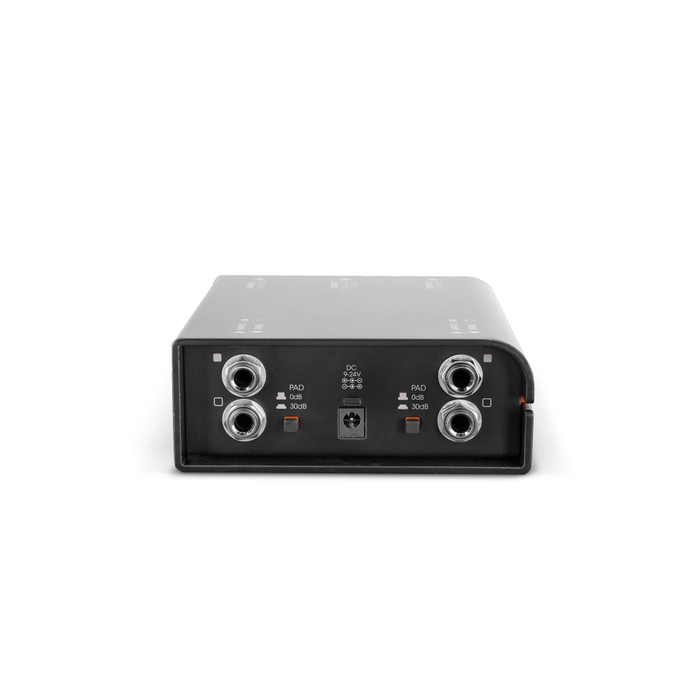
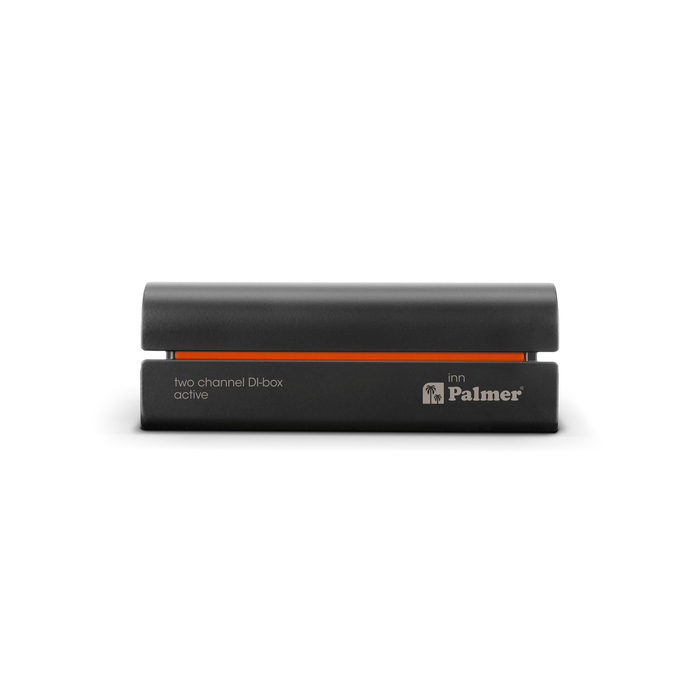
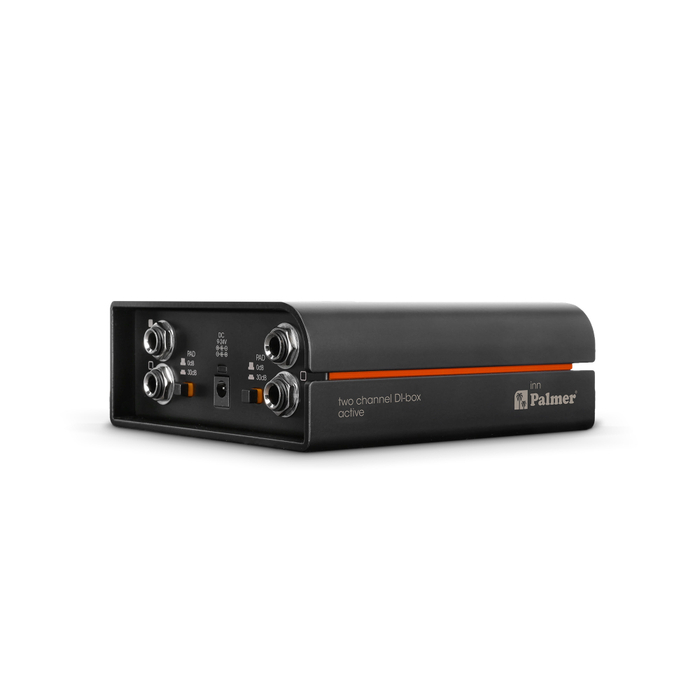
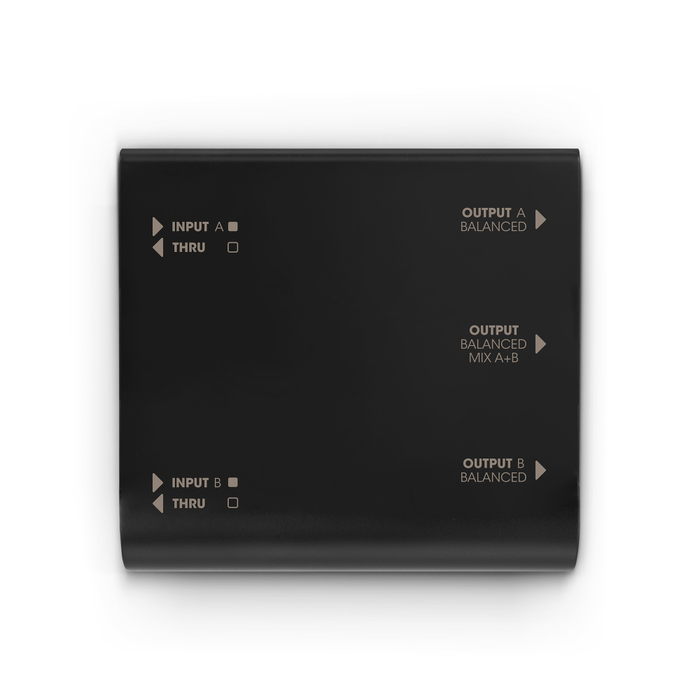
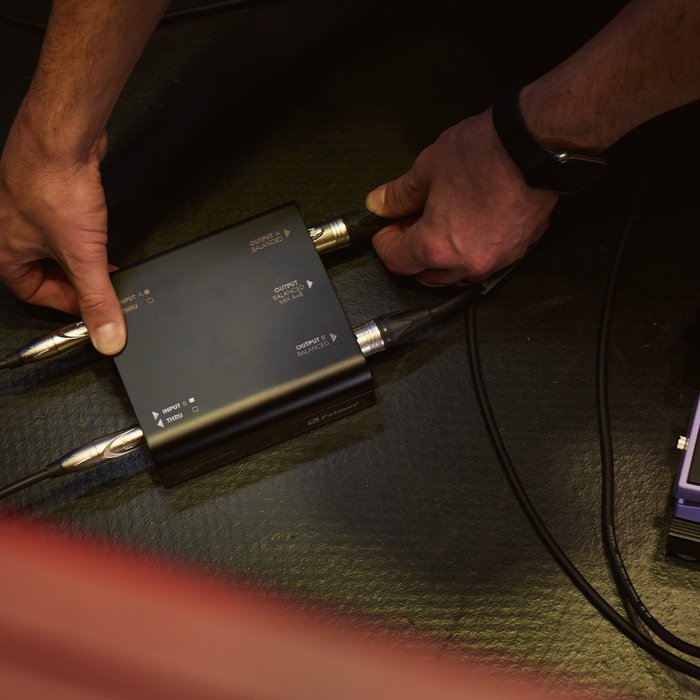
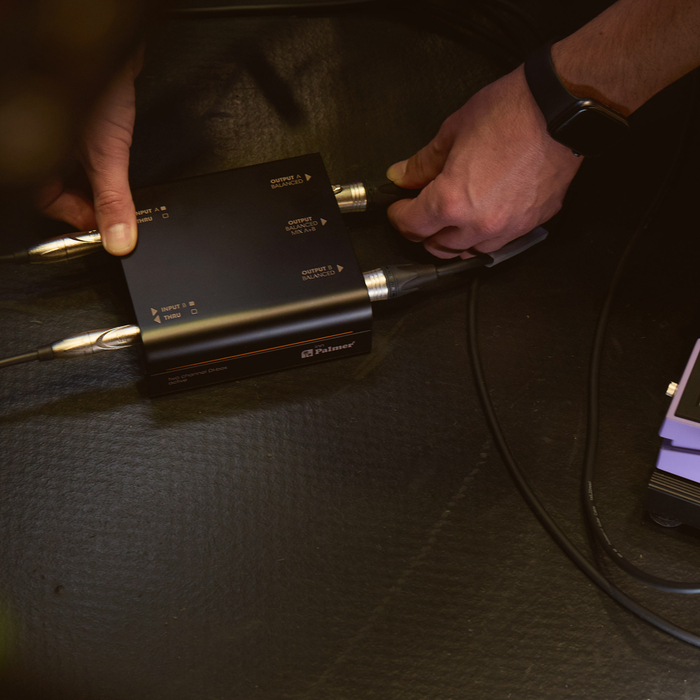
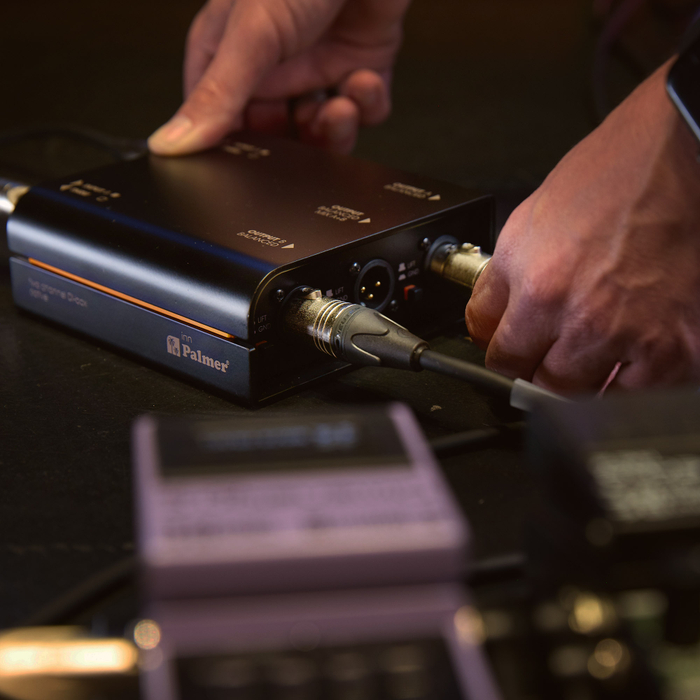
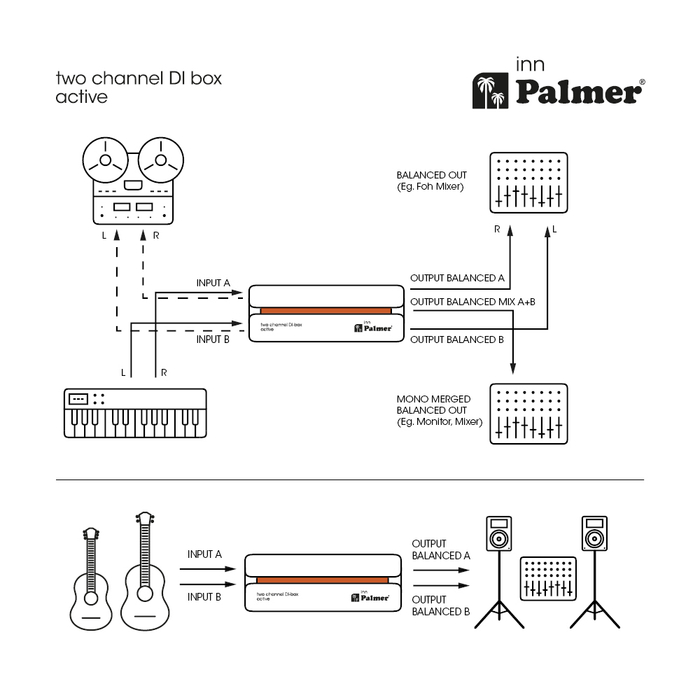
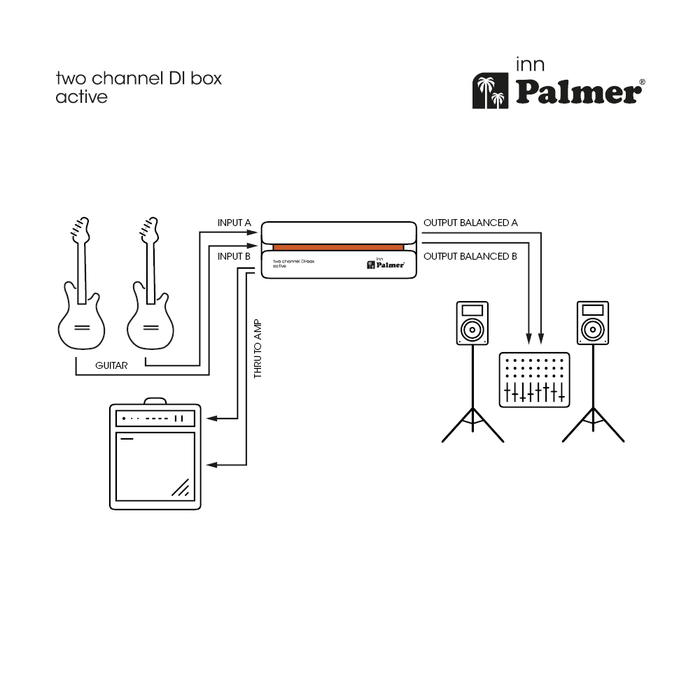
Active 2-channel DI box
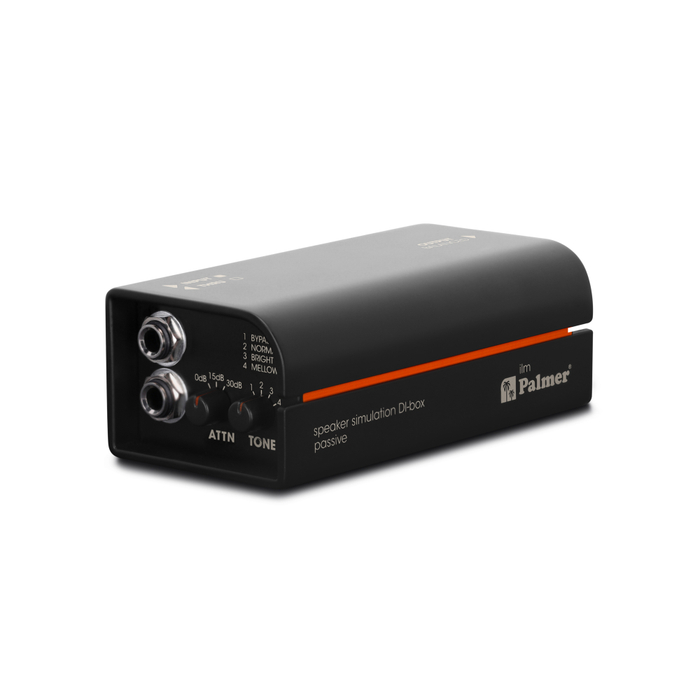
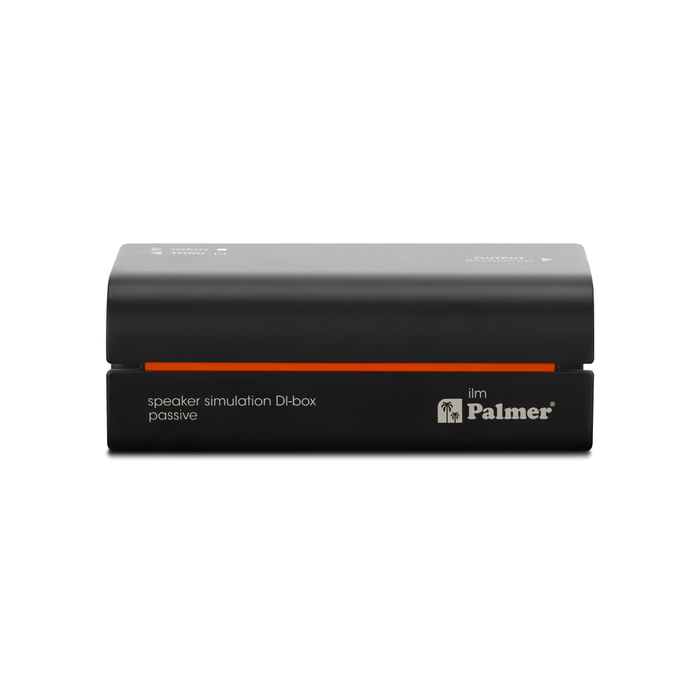
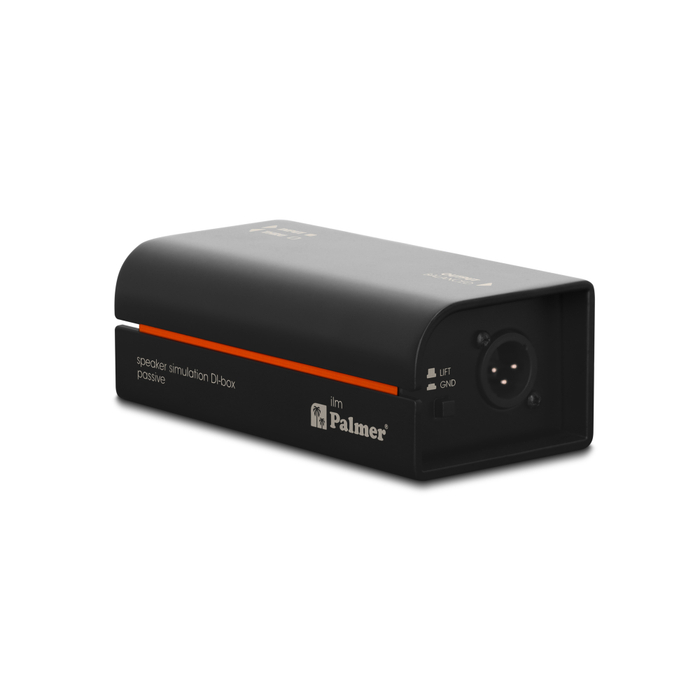
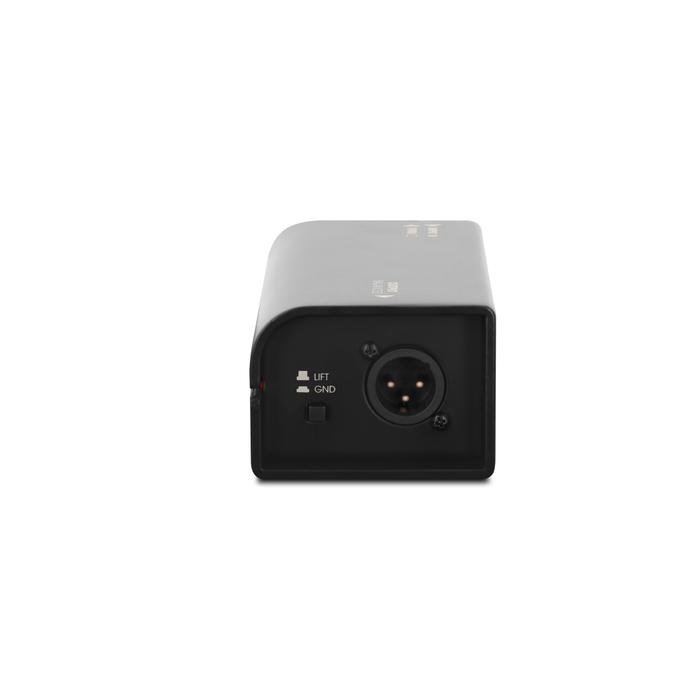
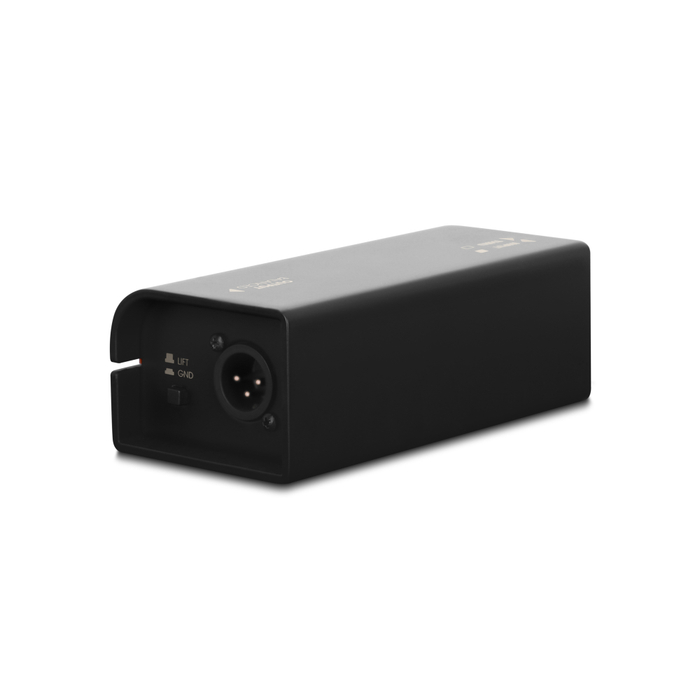
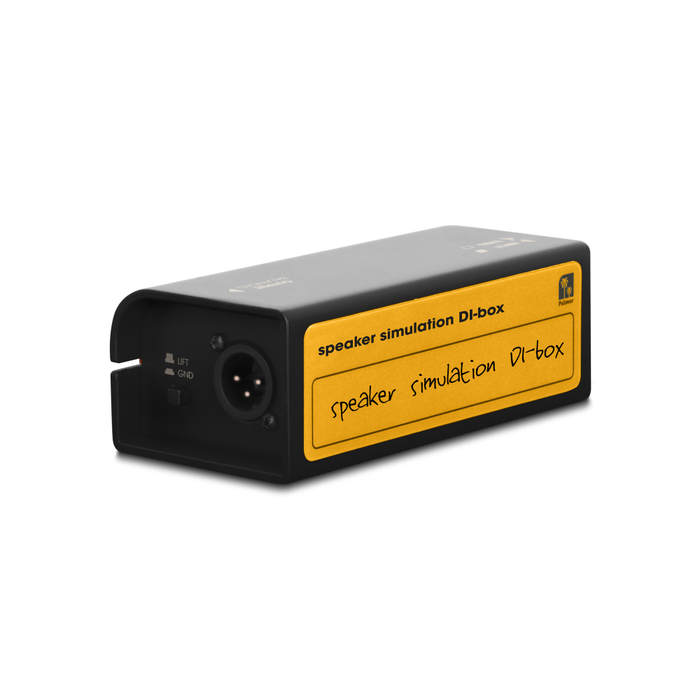
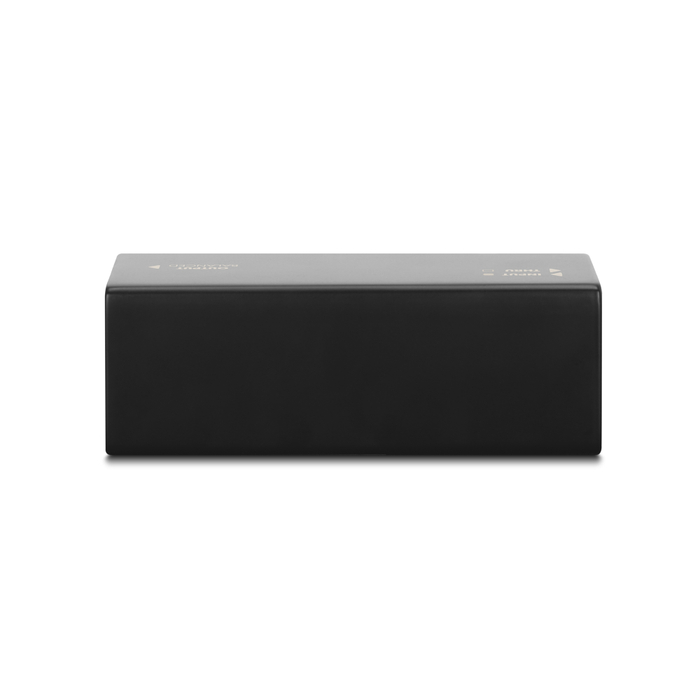
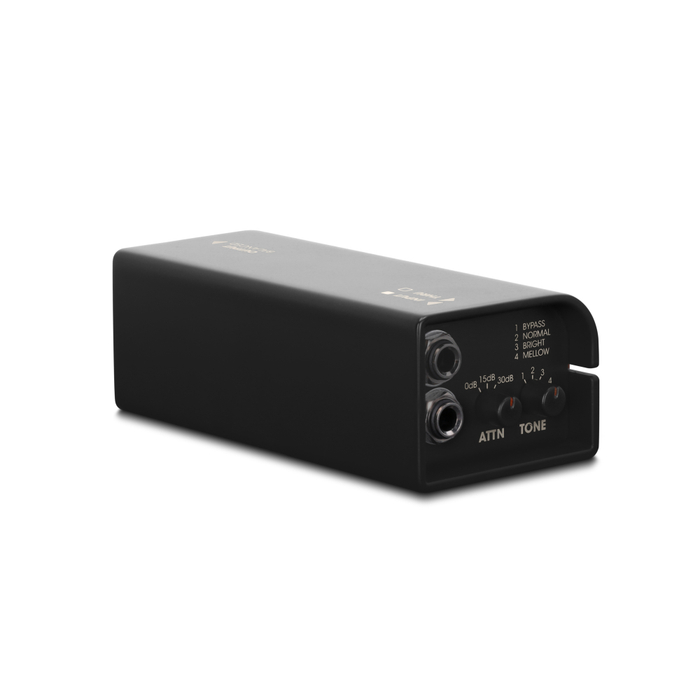
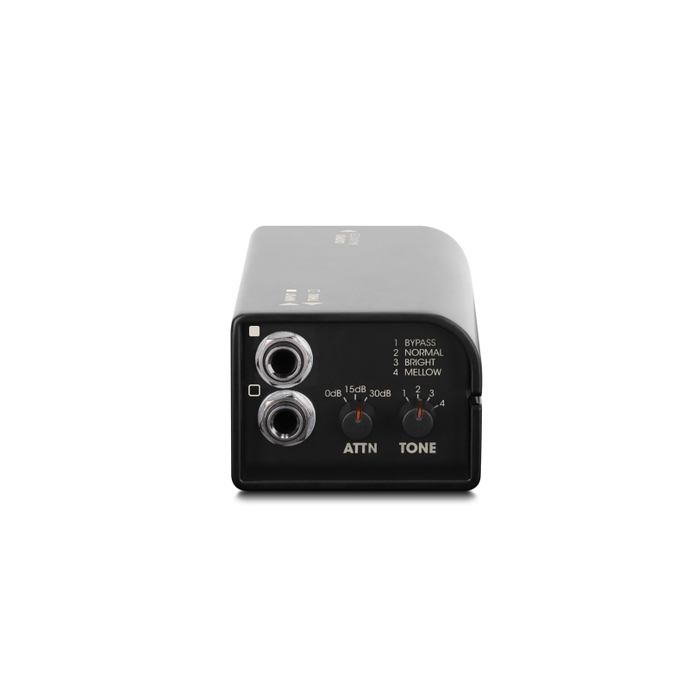
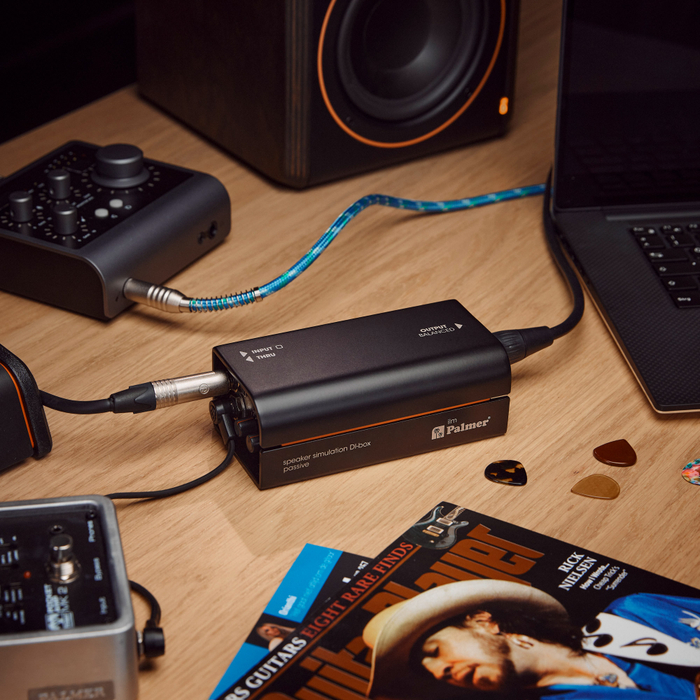
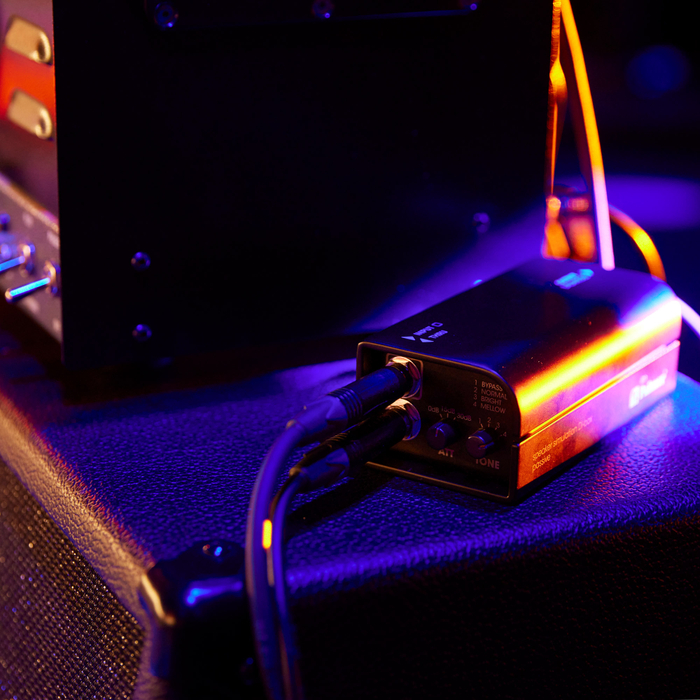
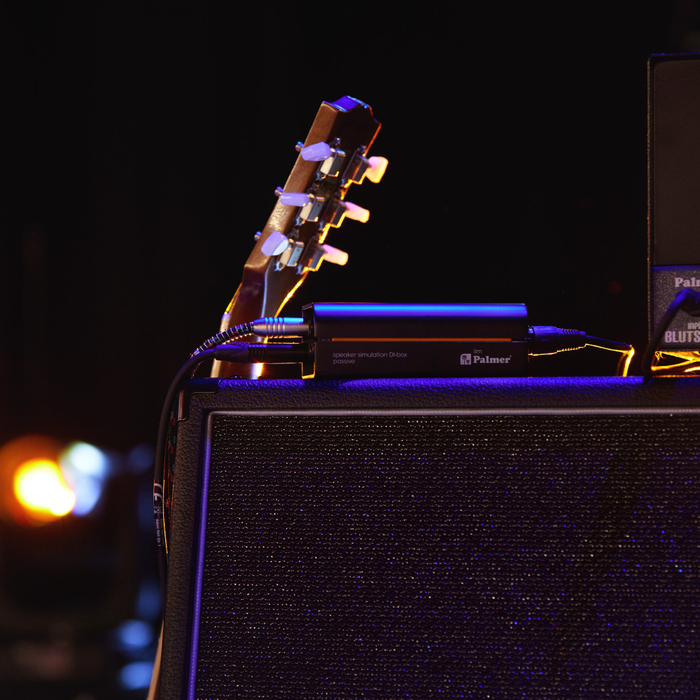
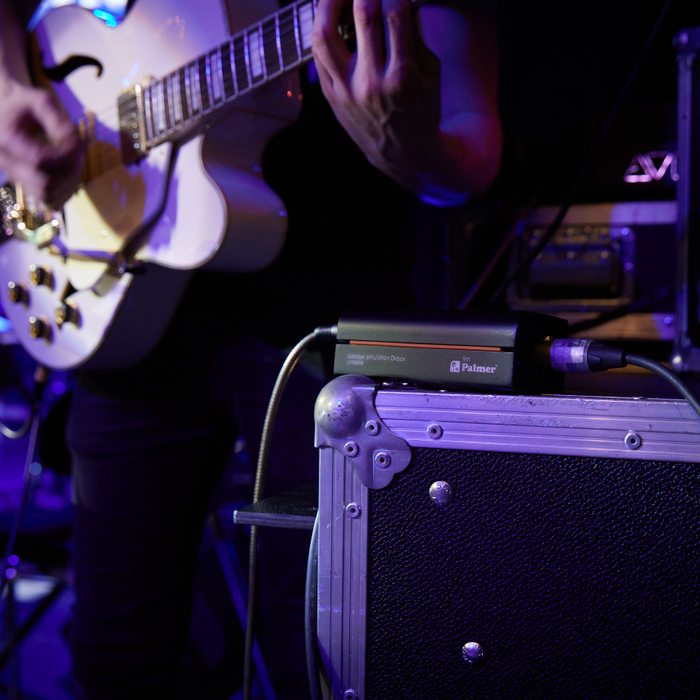
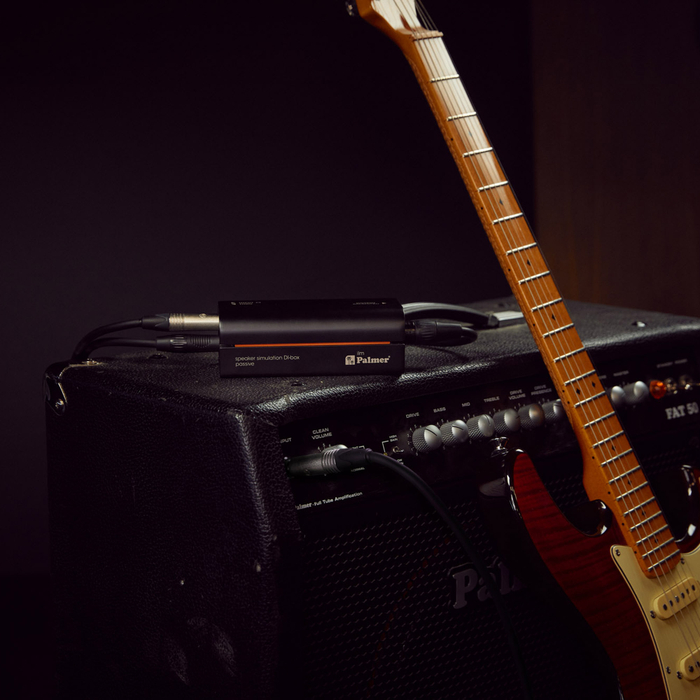
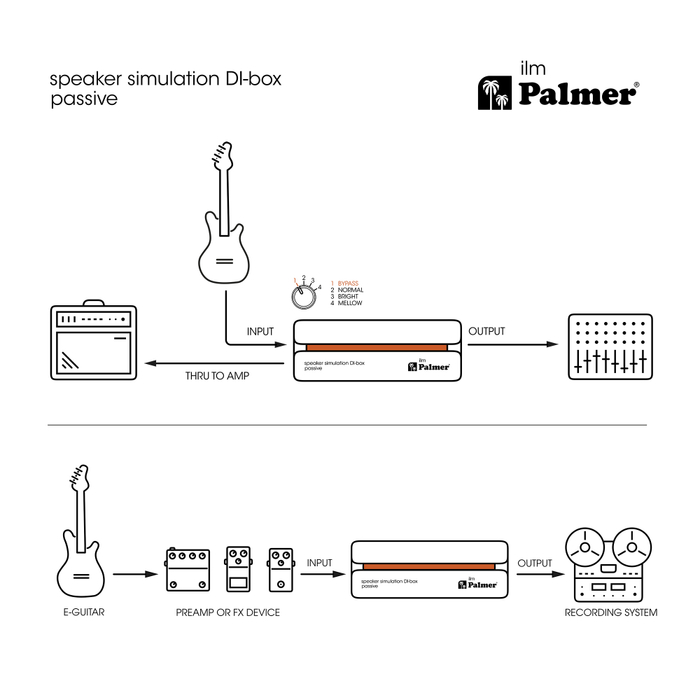
Passive speaker simulation DI box
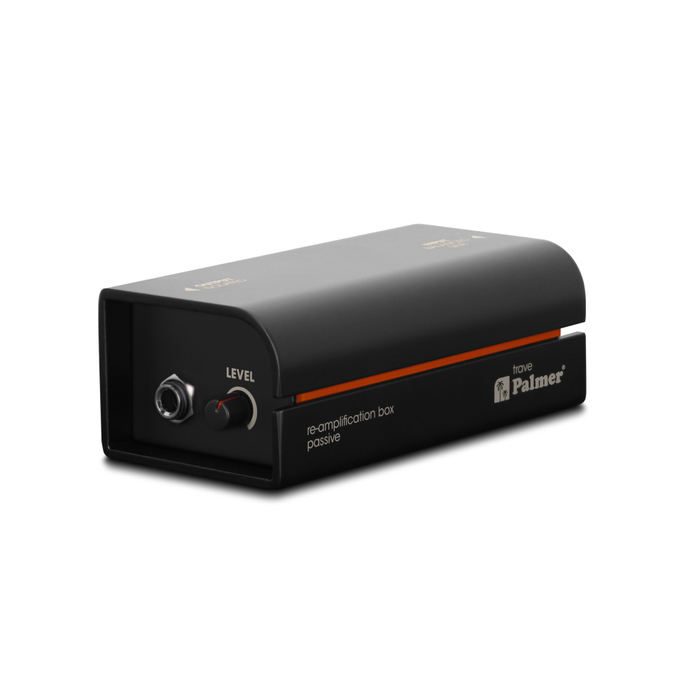
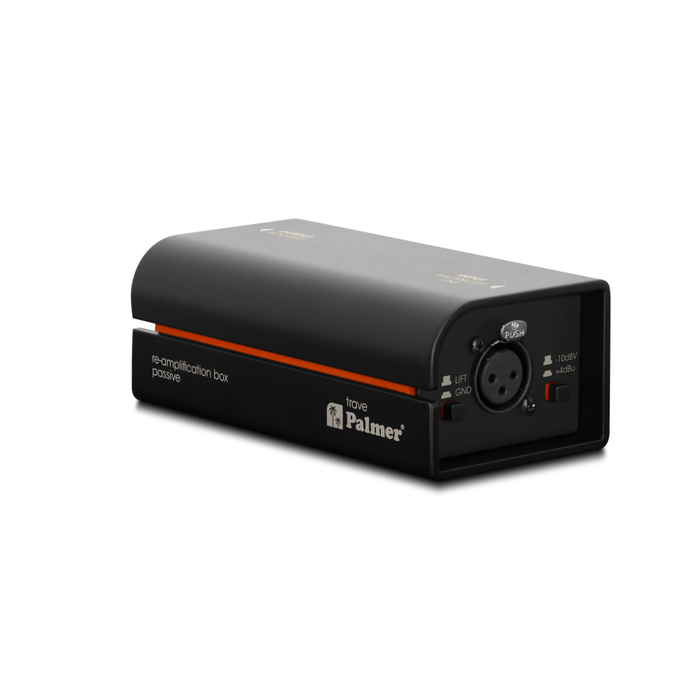
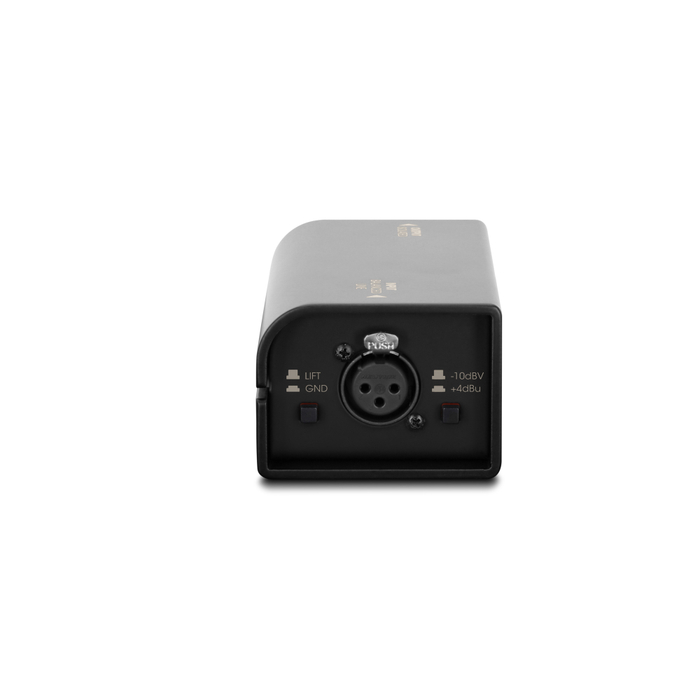
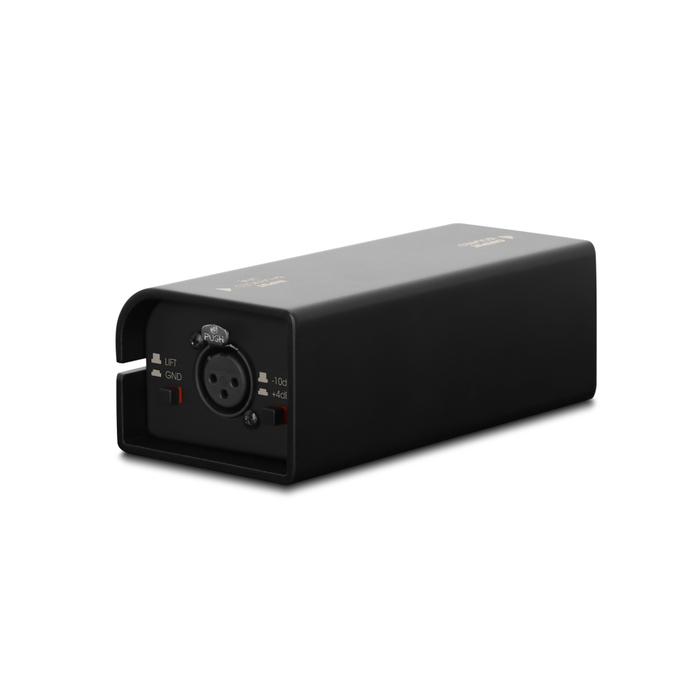
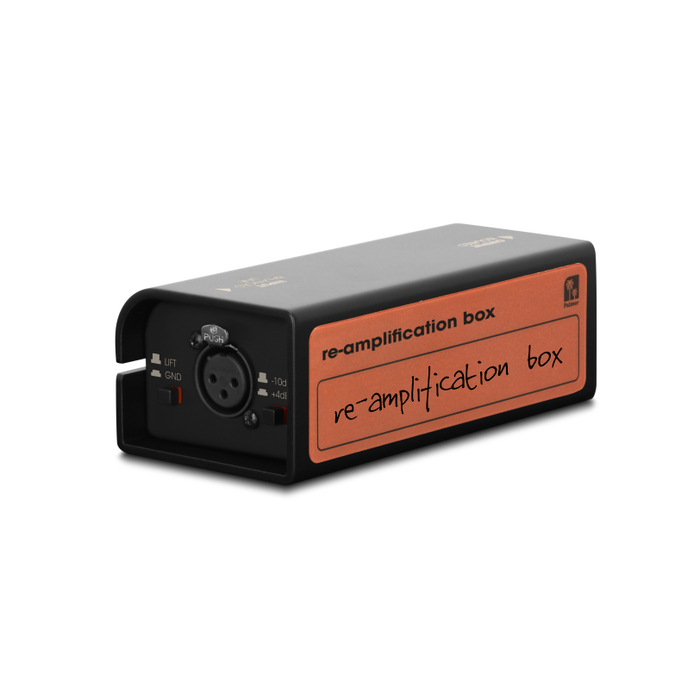
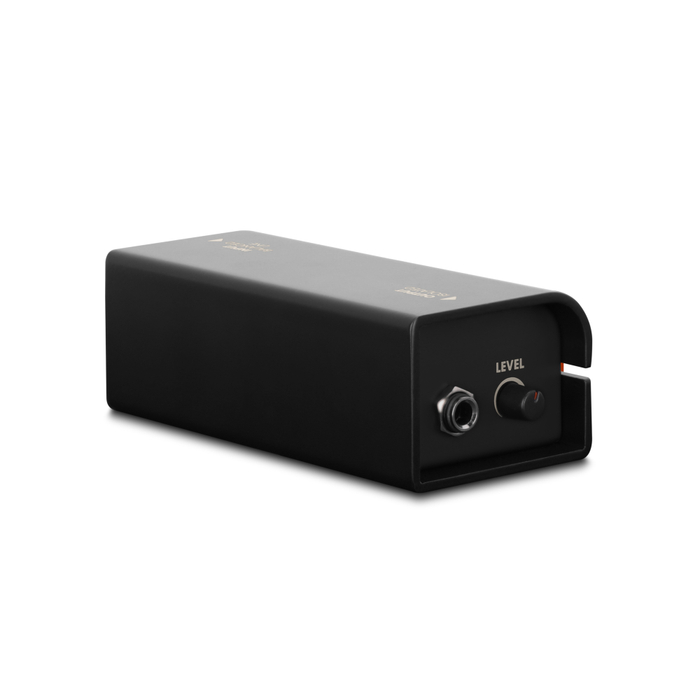
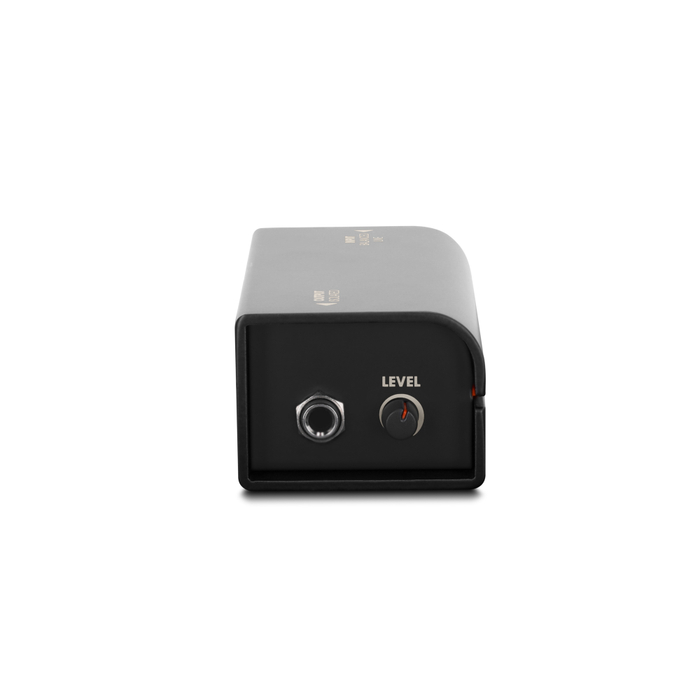
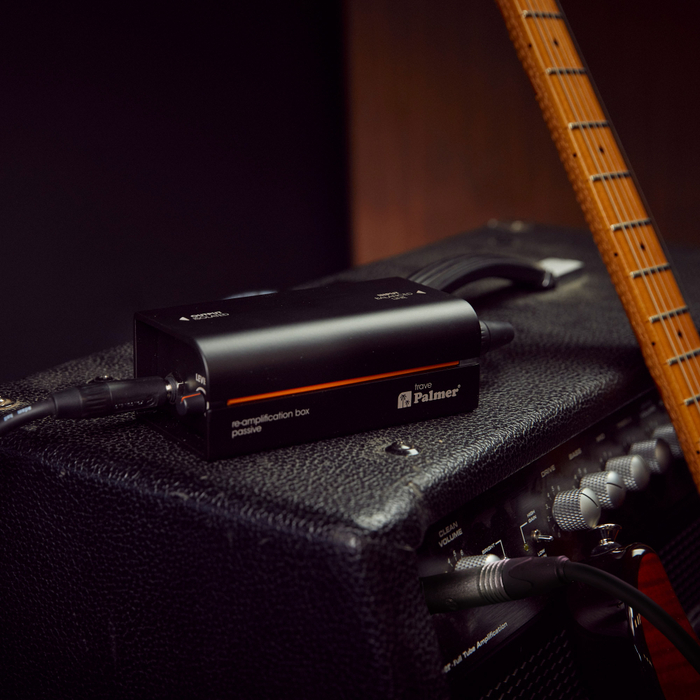
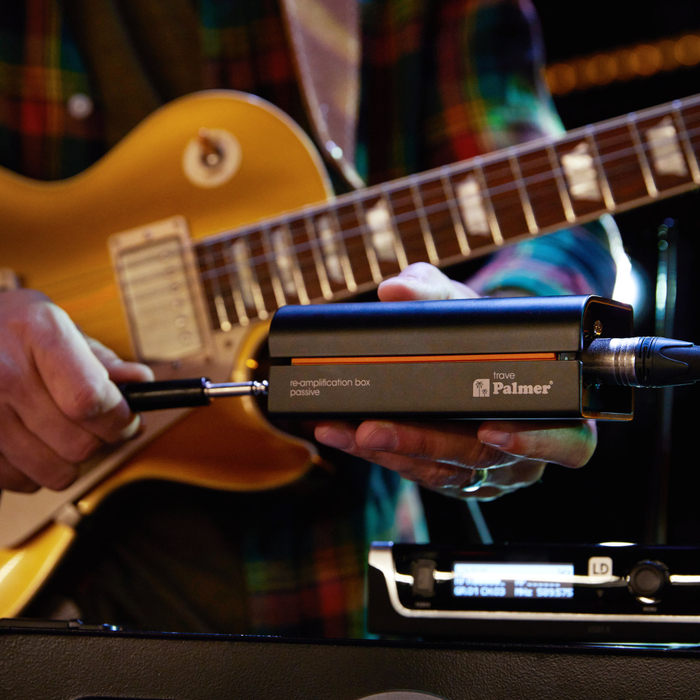
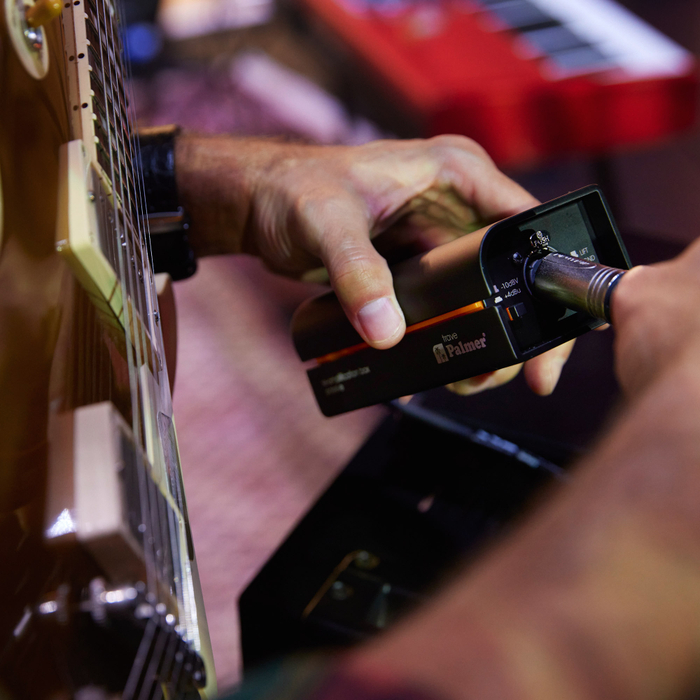
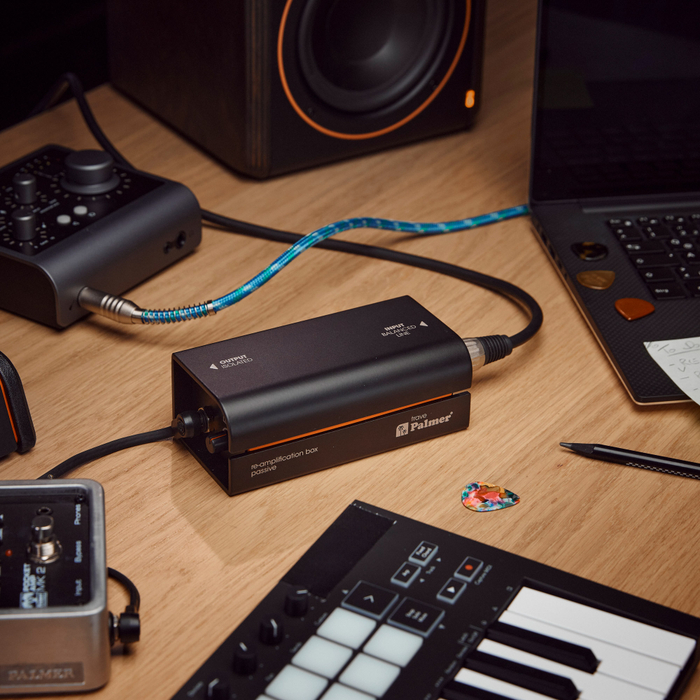
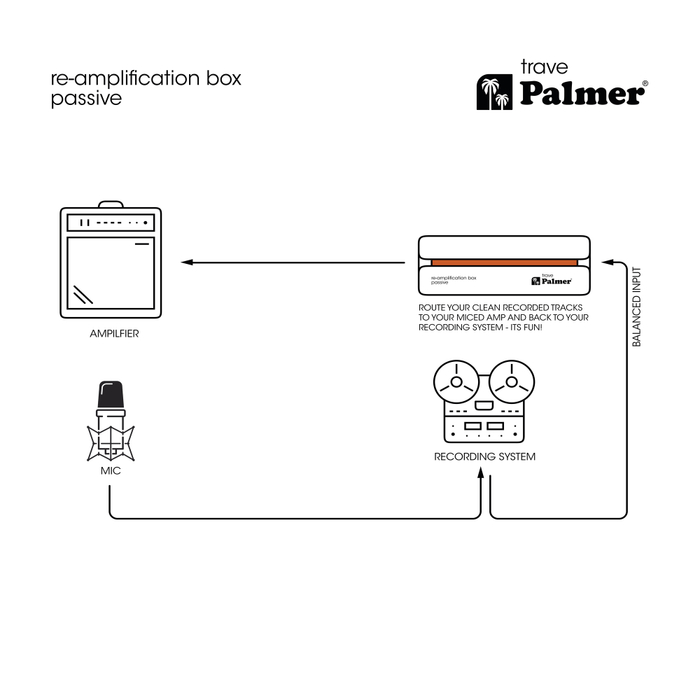
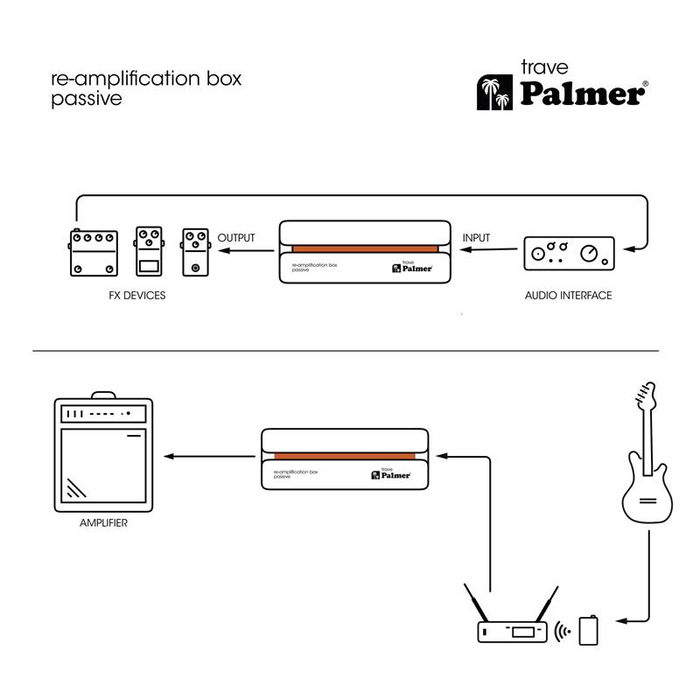
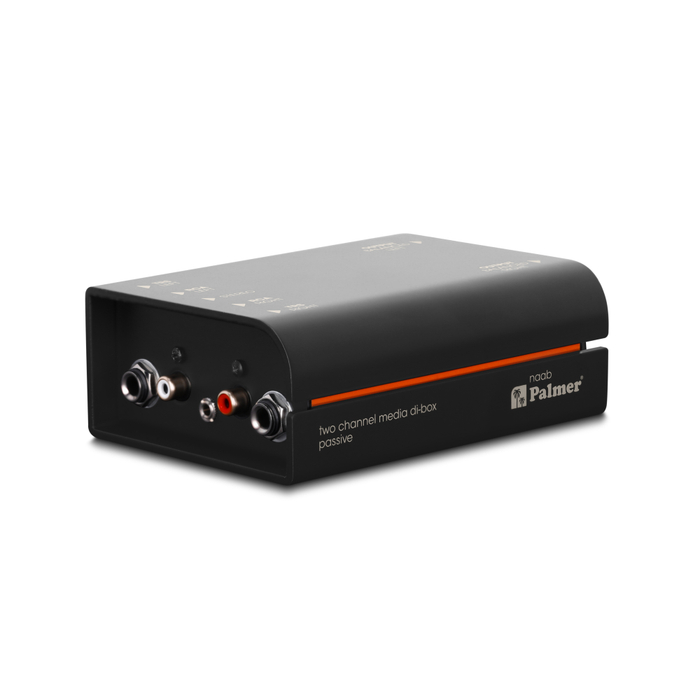
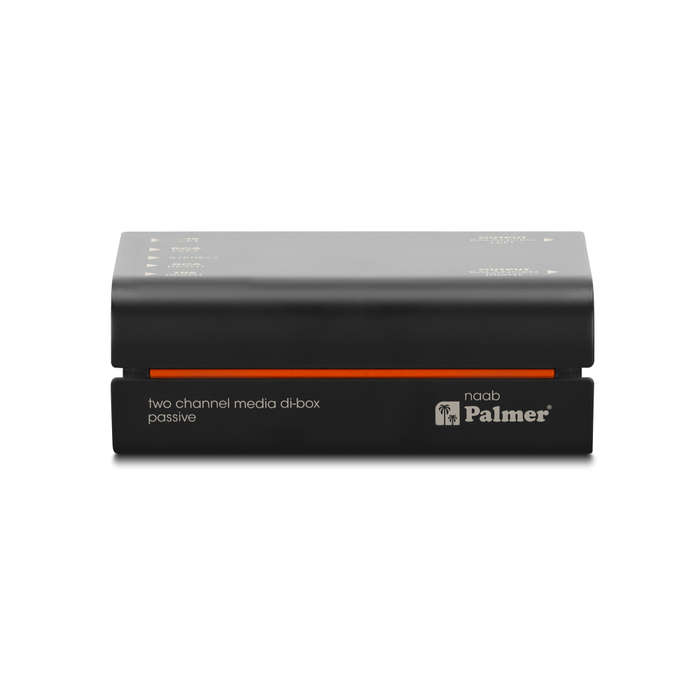
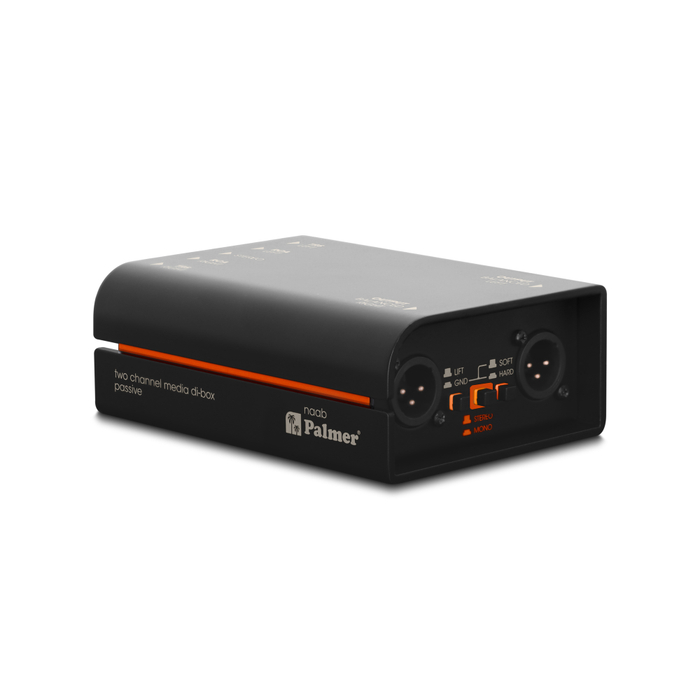
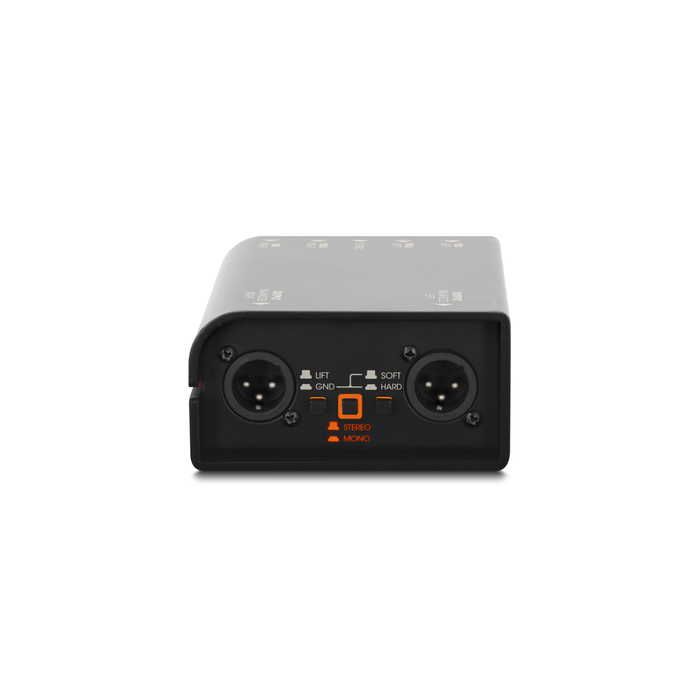
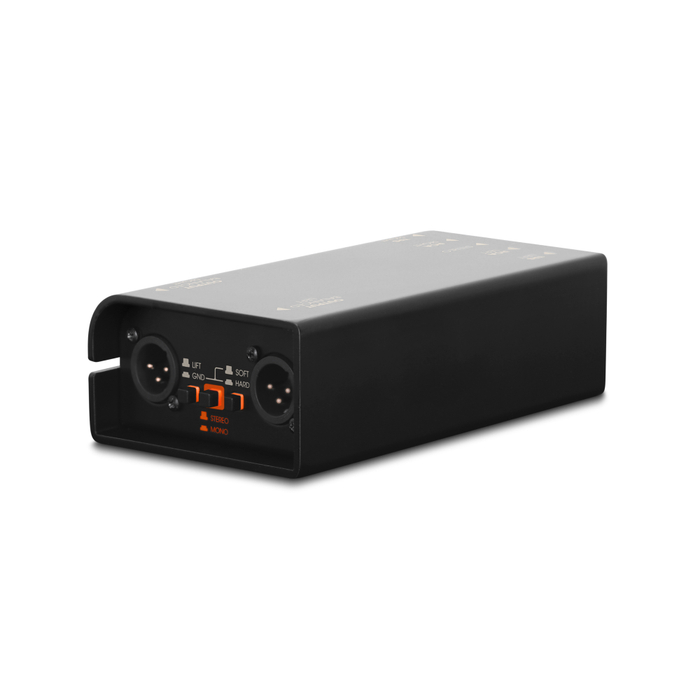
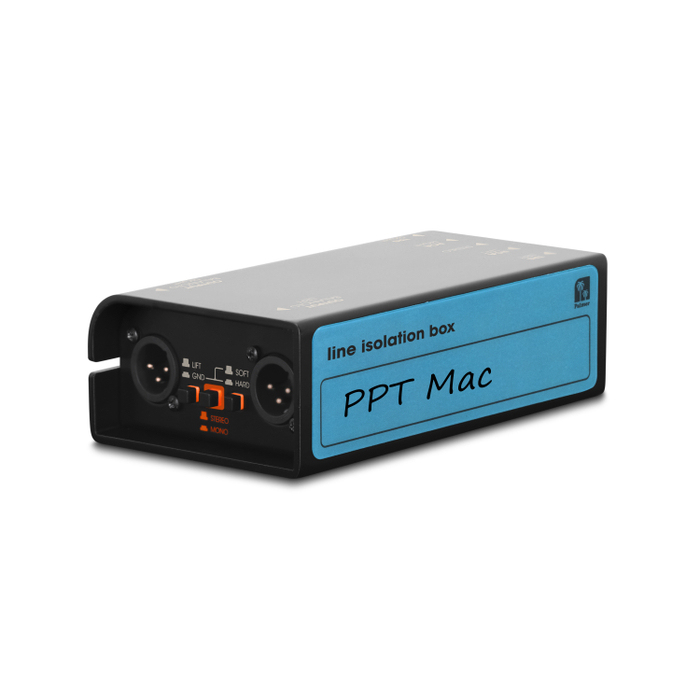
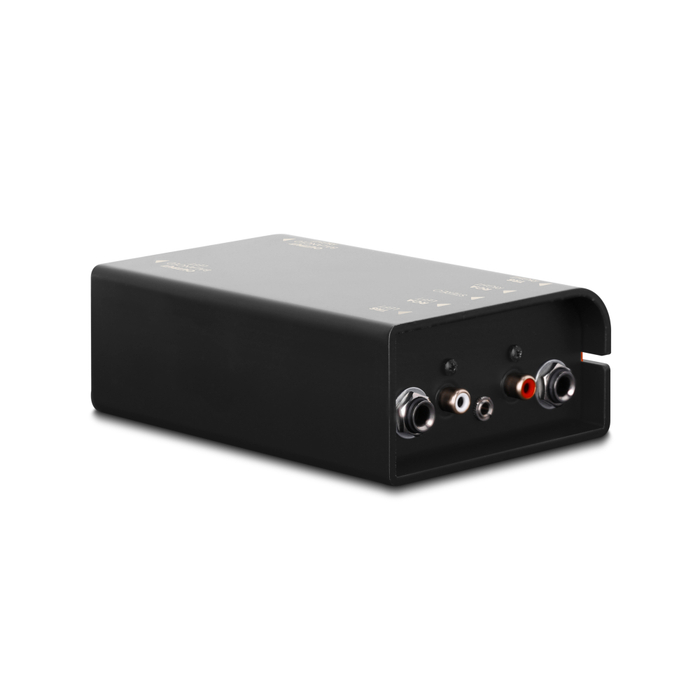
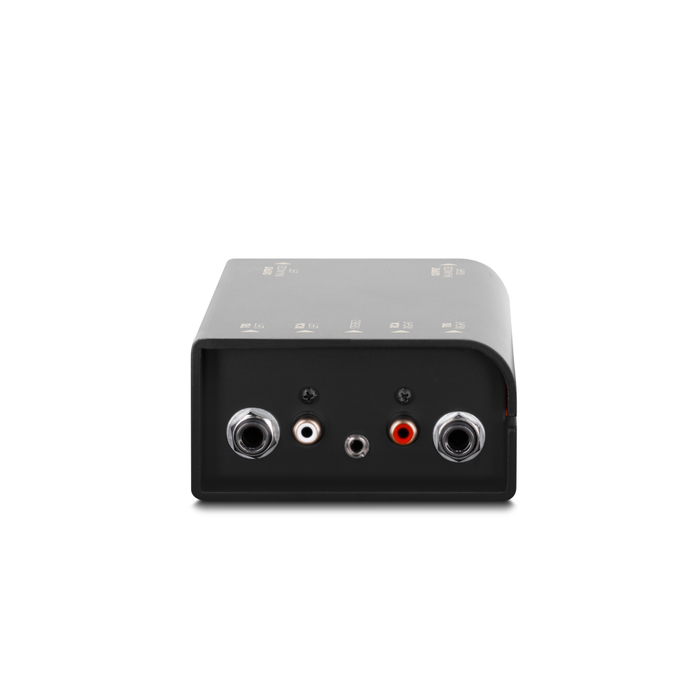
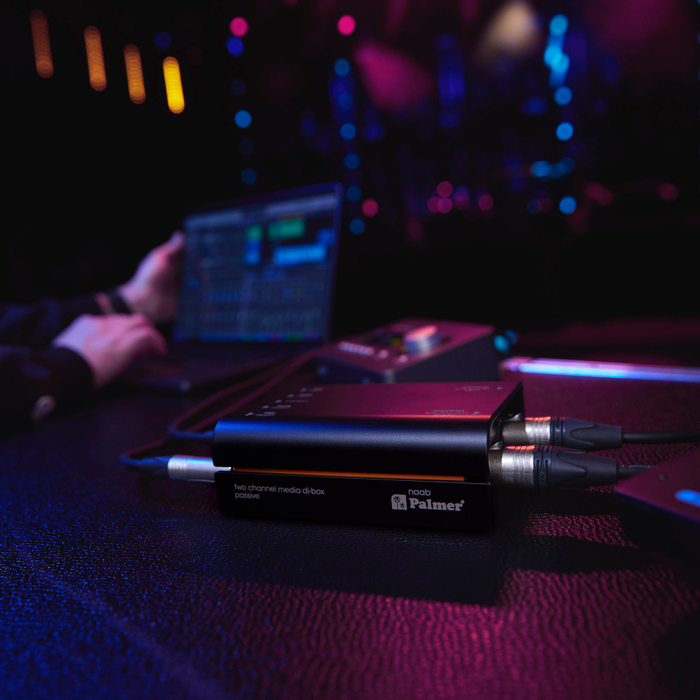
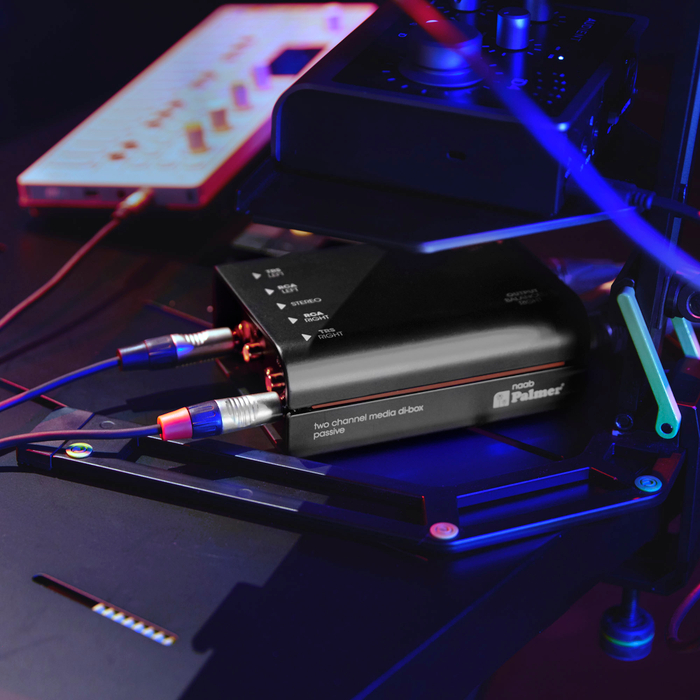
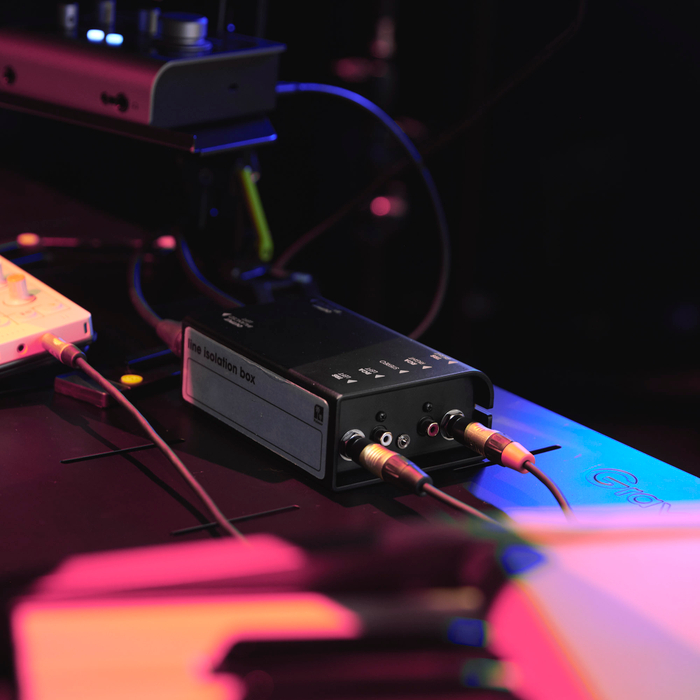
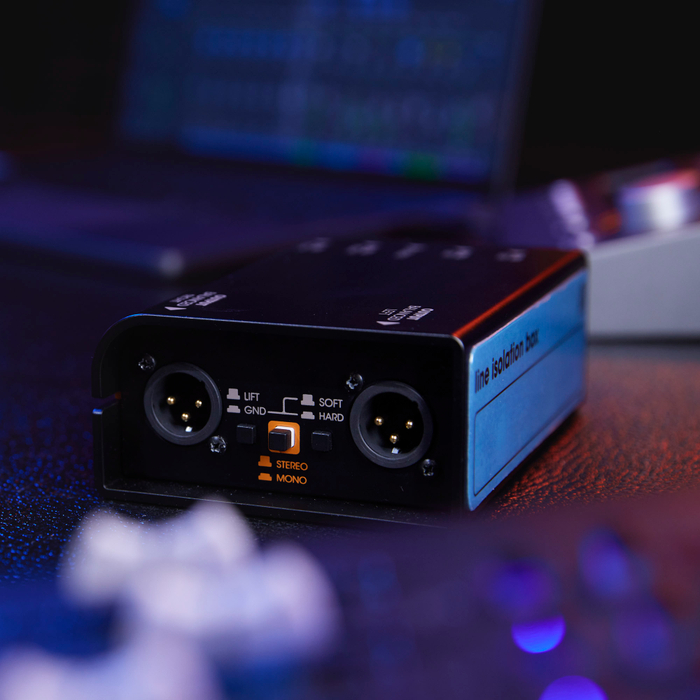
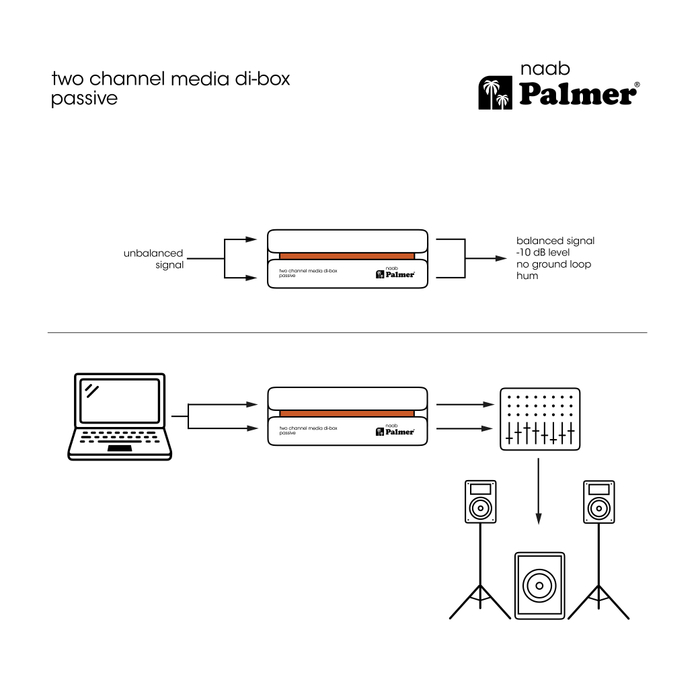
Passive 2-channel media DI box
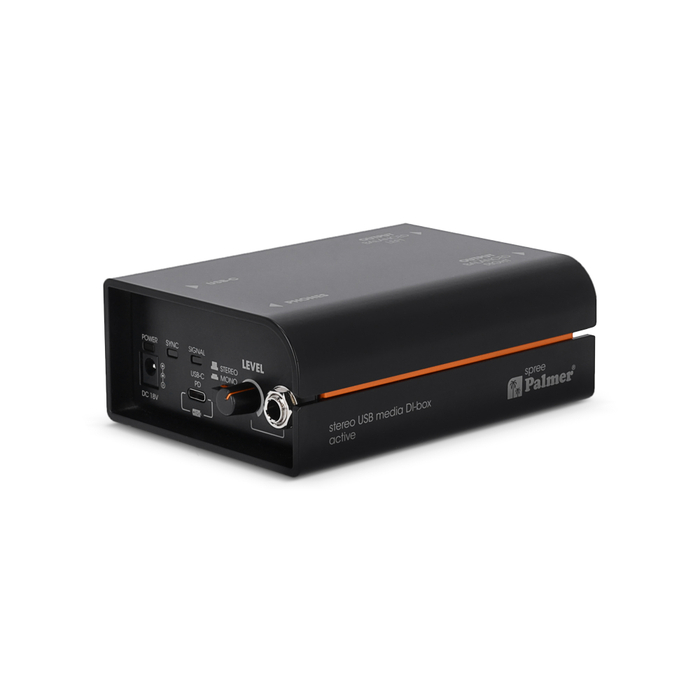
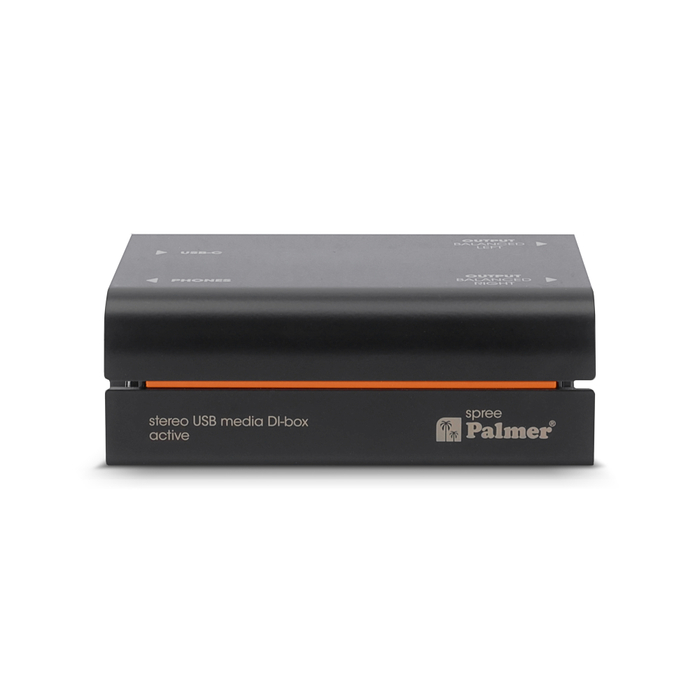
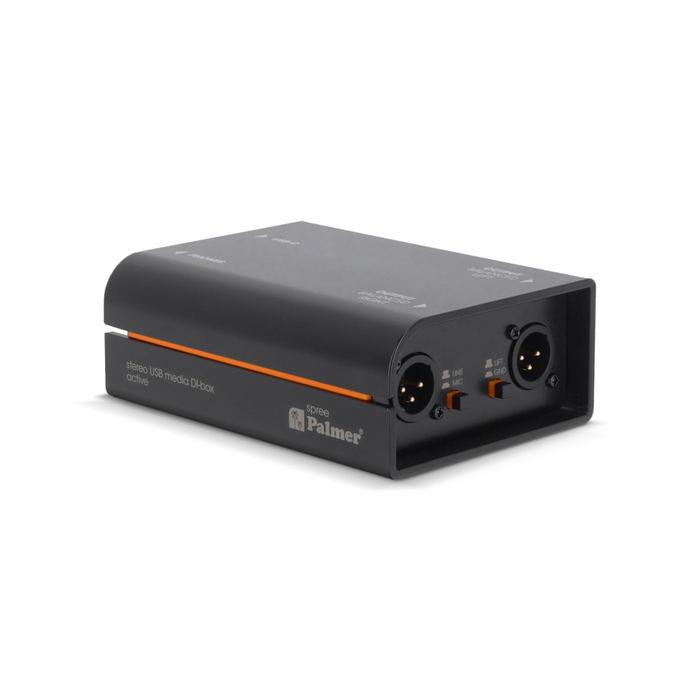
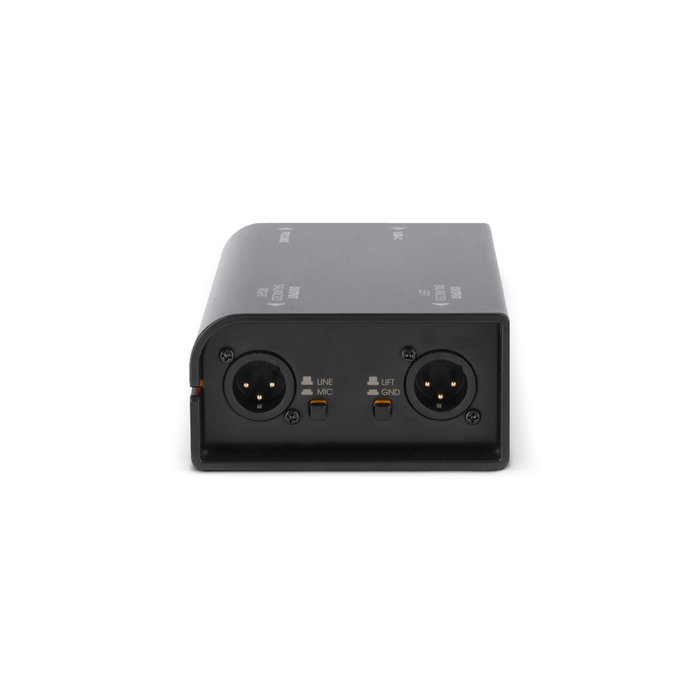
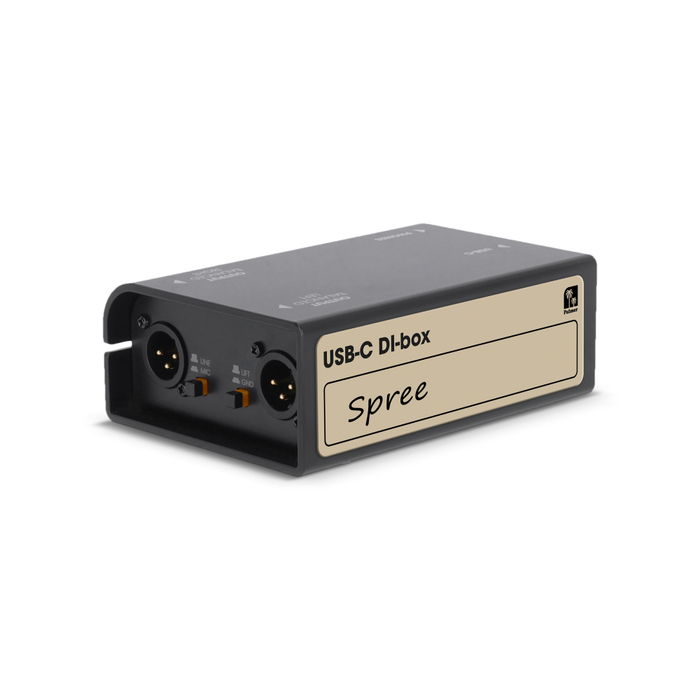
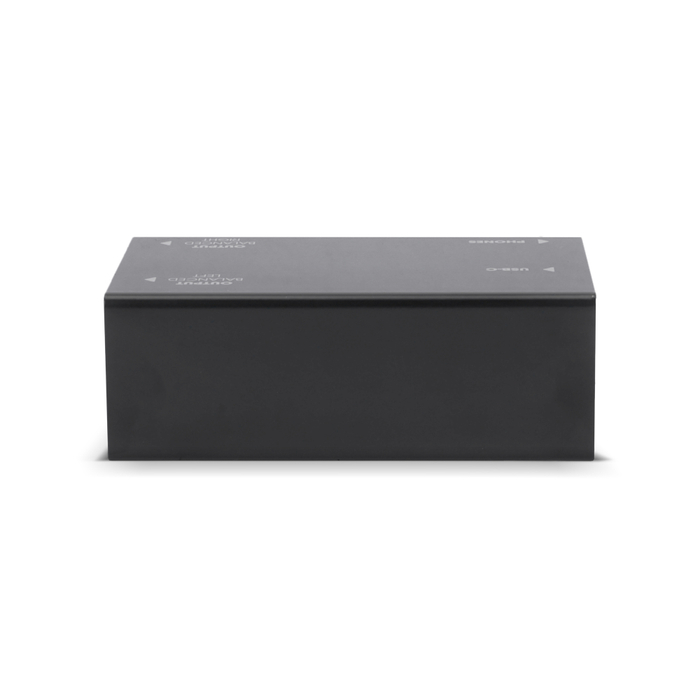
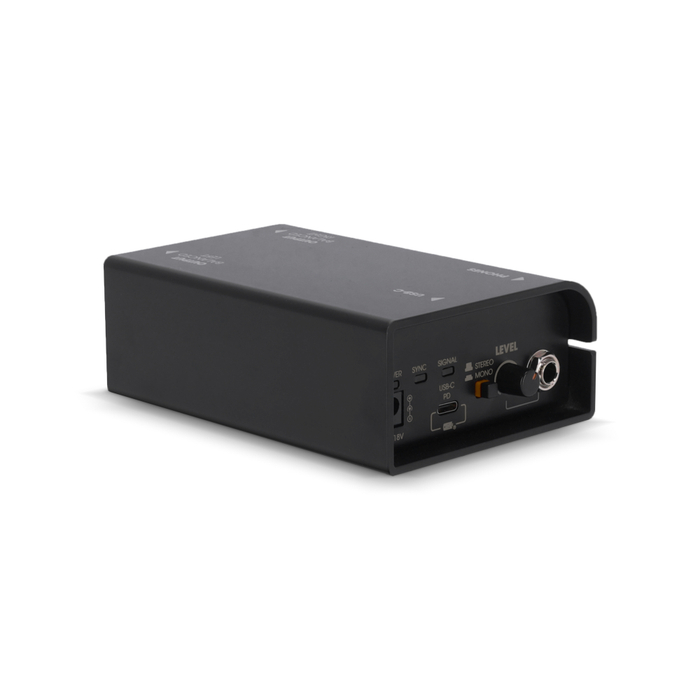
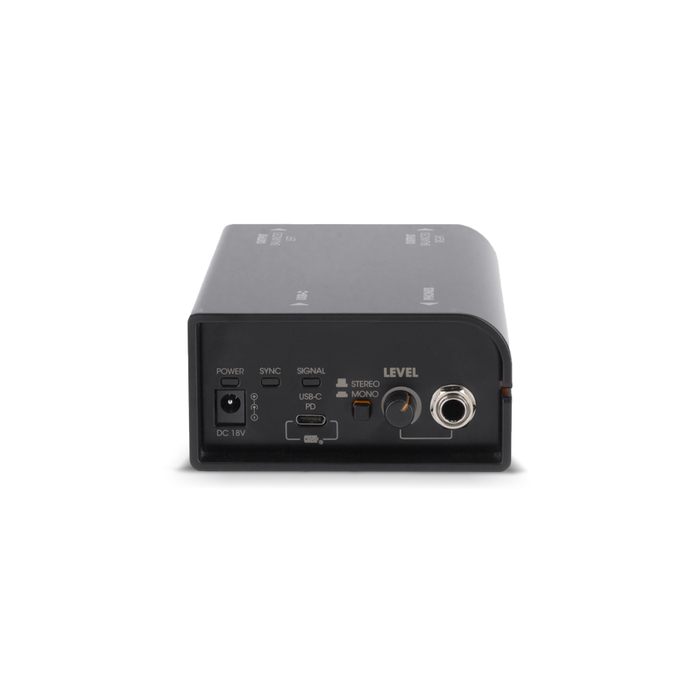
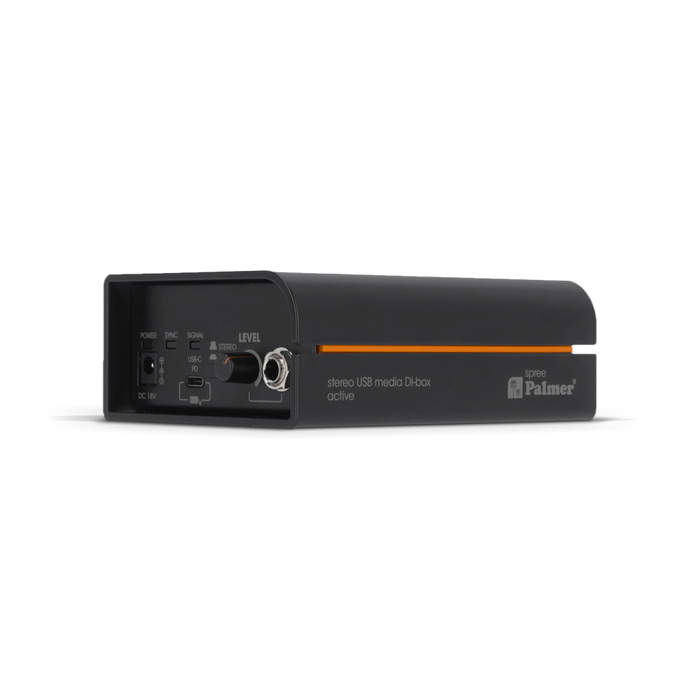
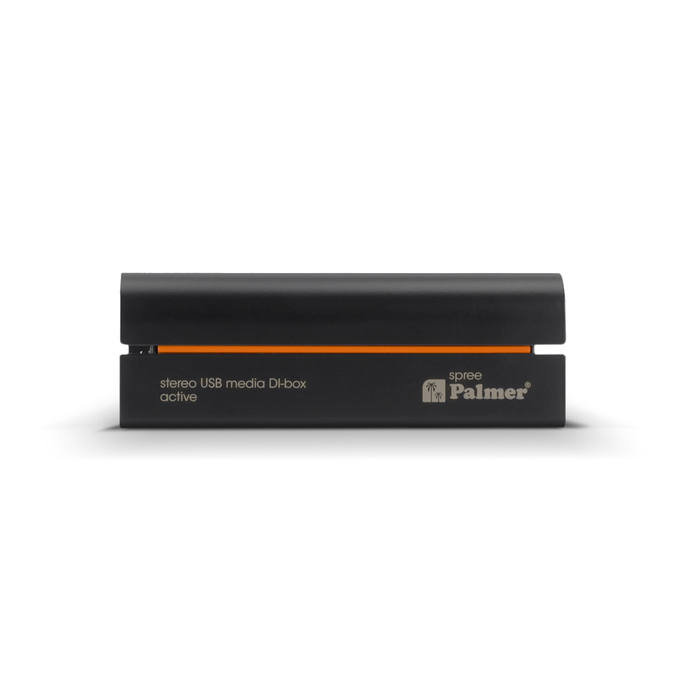
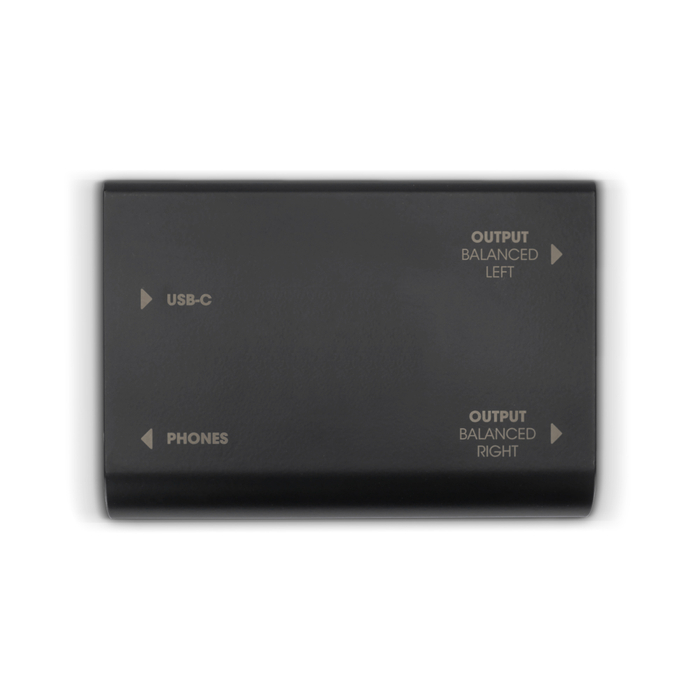
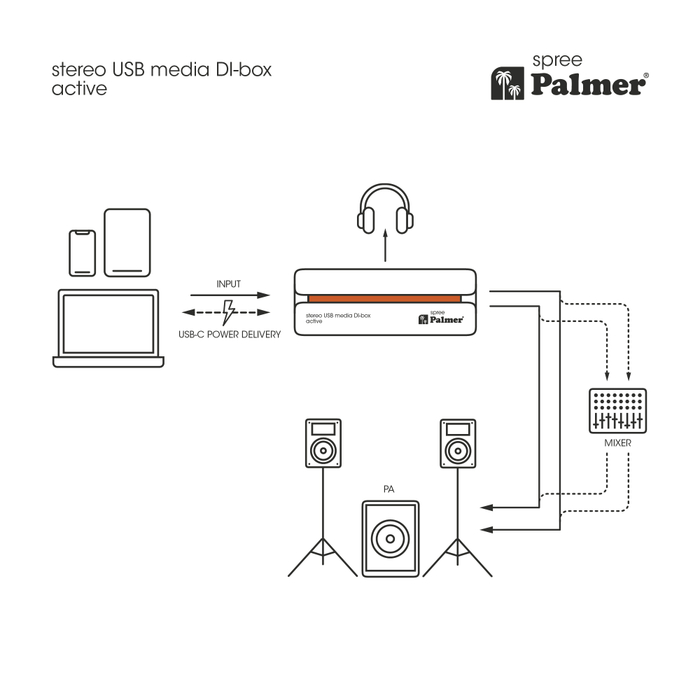
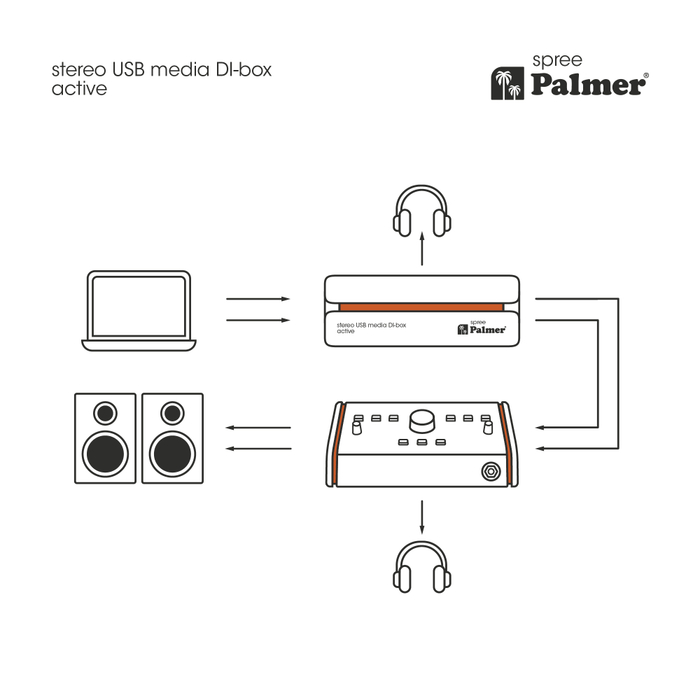
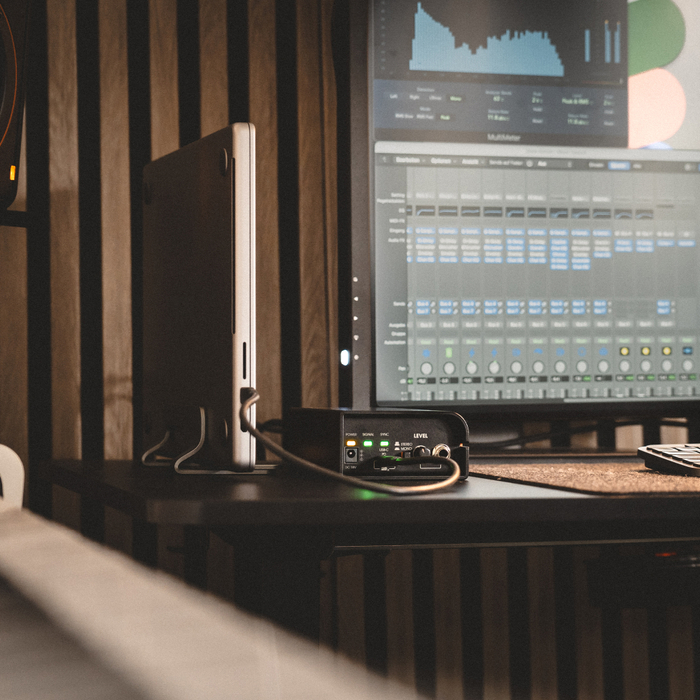
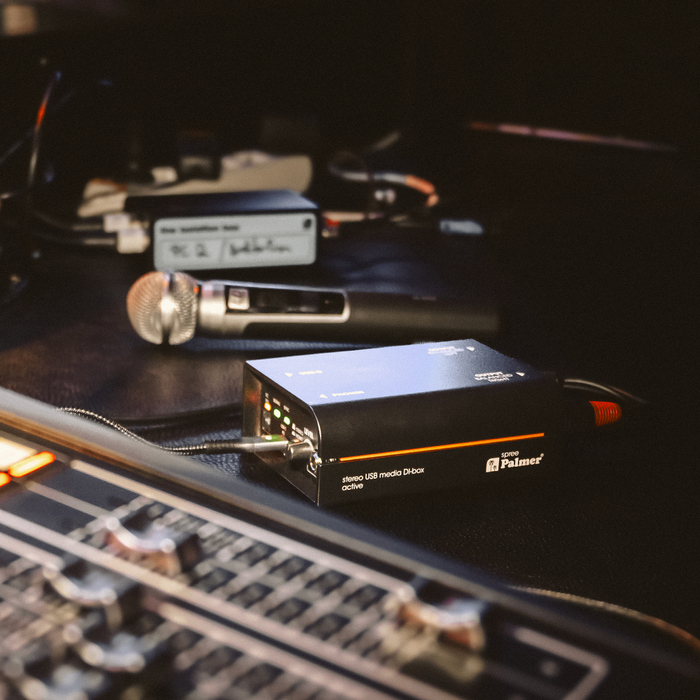
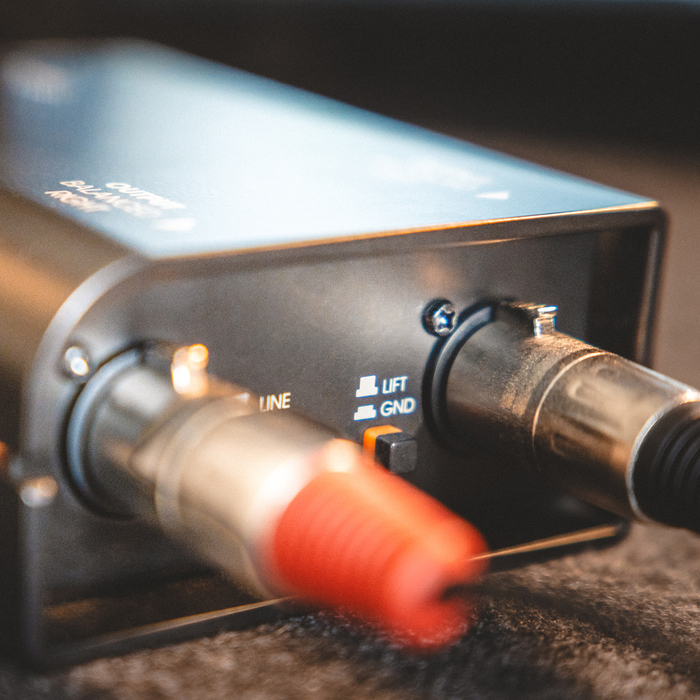
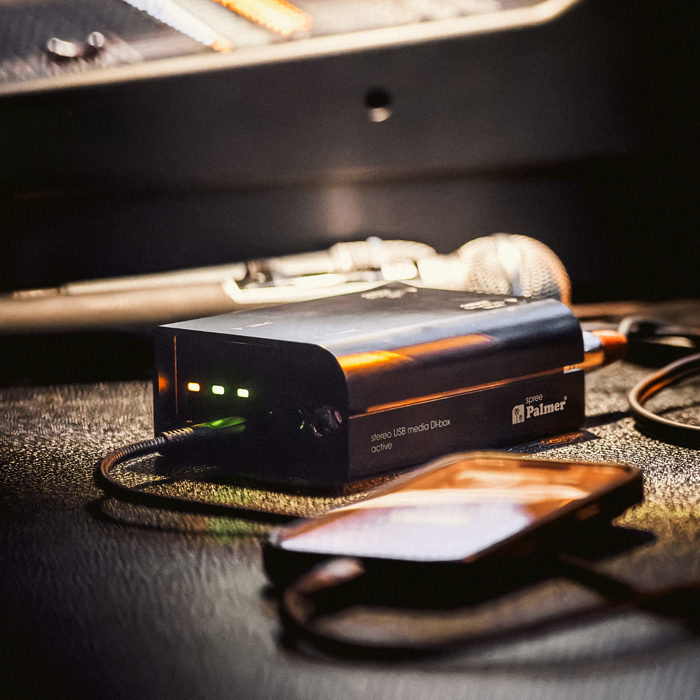
Active stereo USB-C media DI box
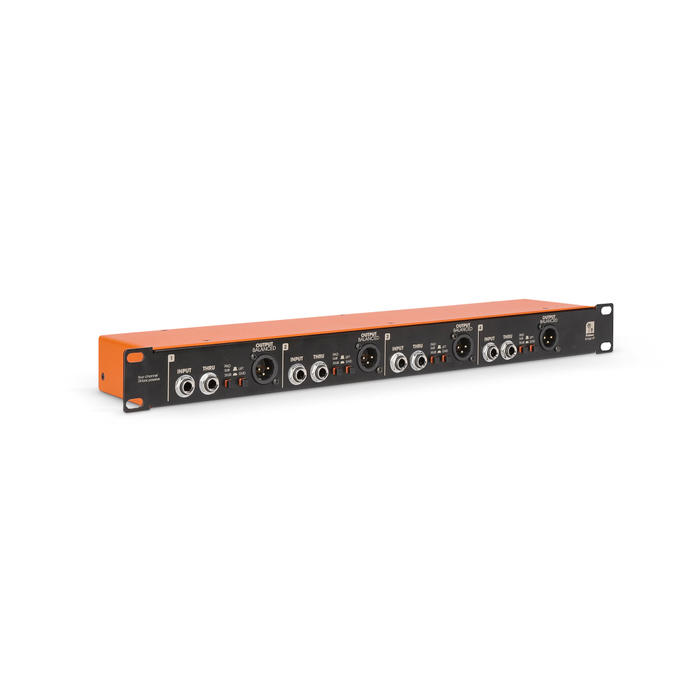
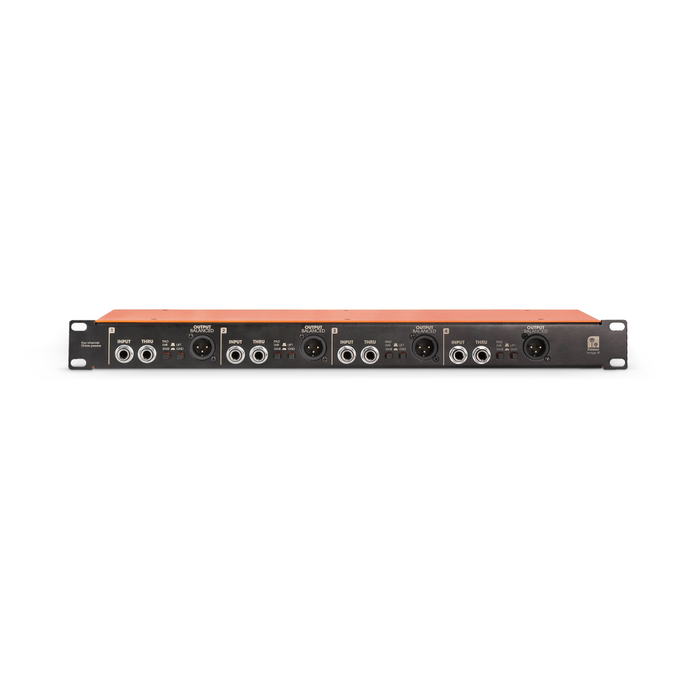
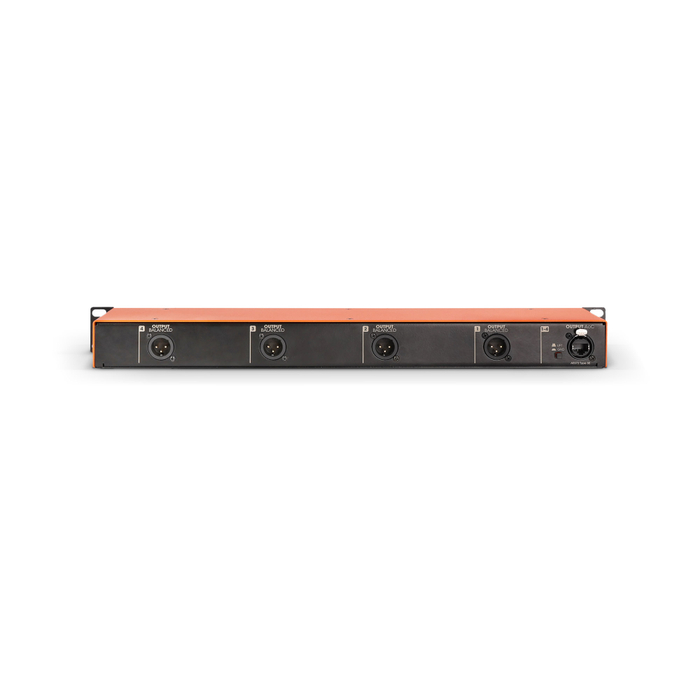
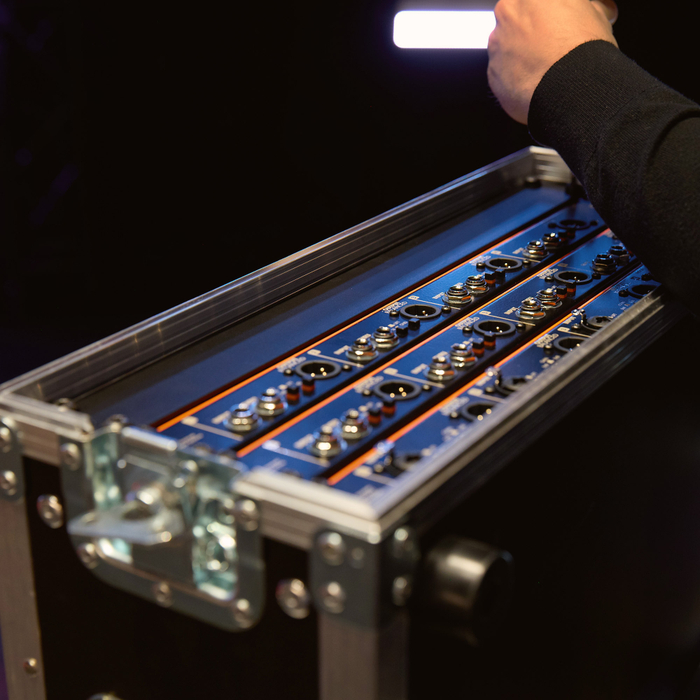
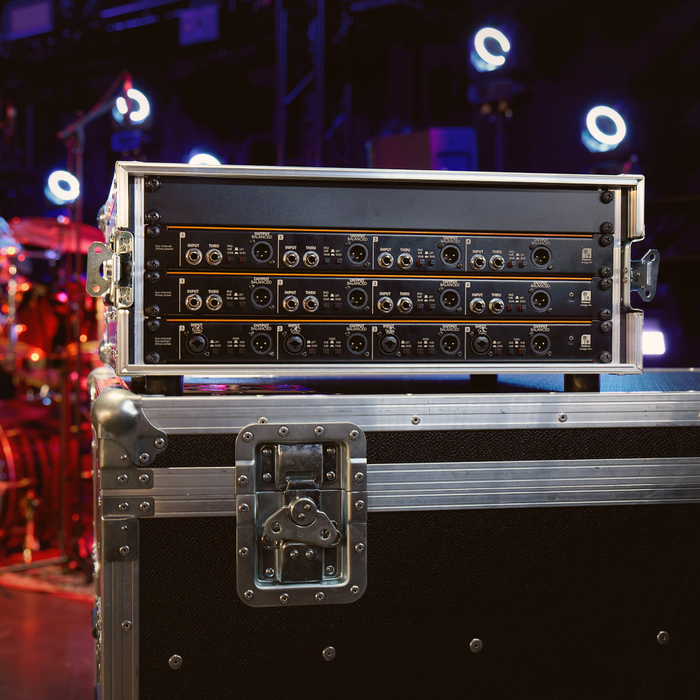
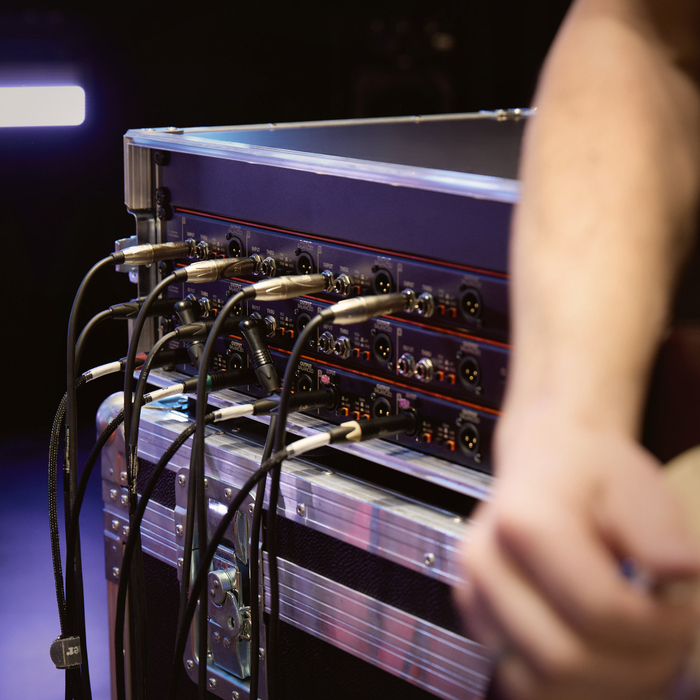
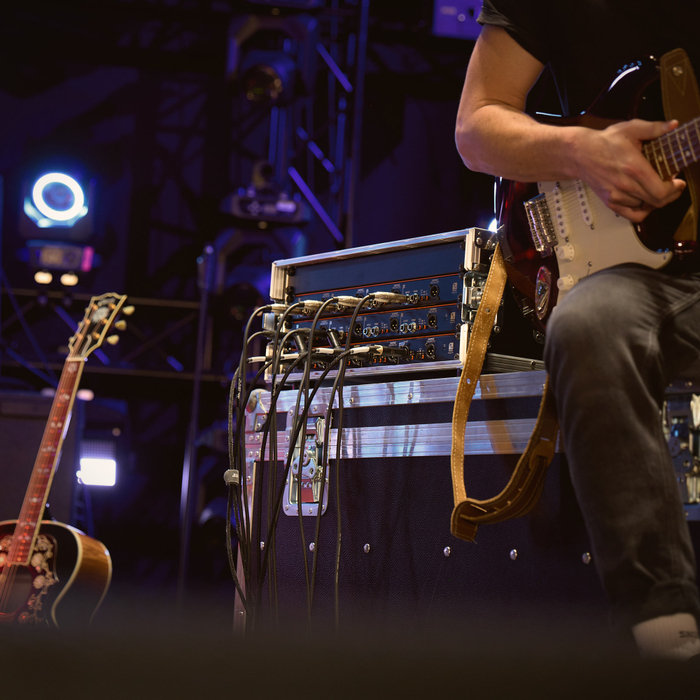
19" DI box, 4 channels, passive
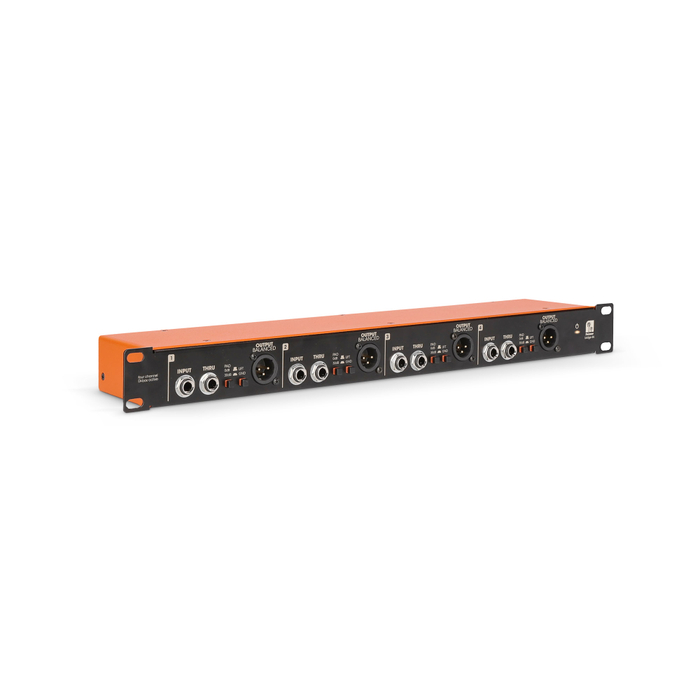
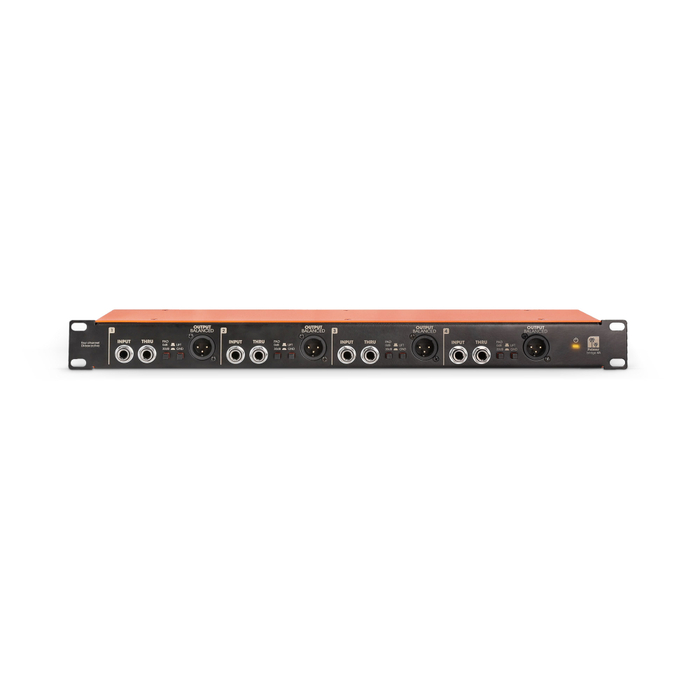
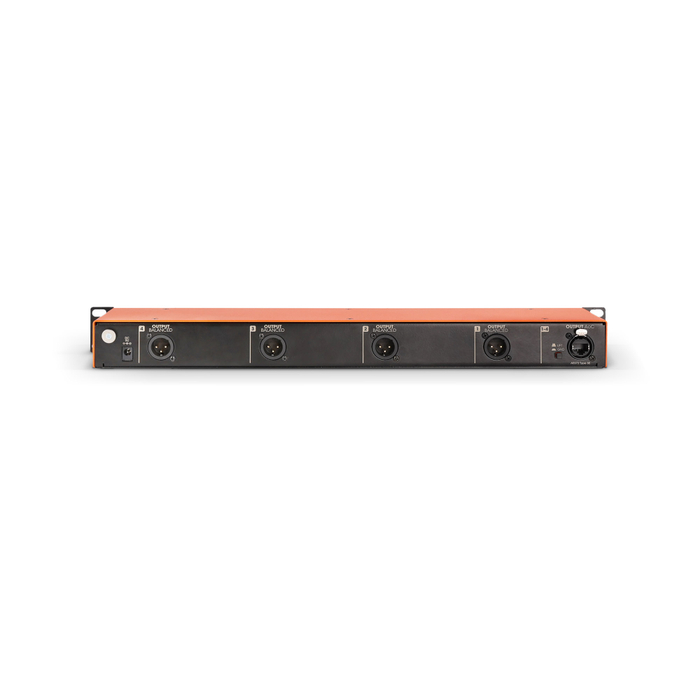
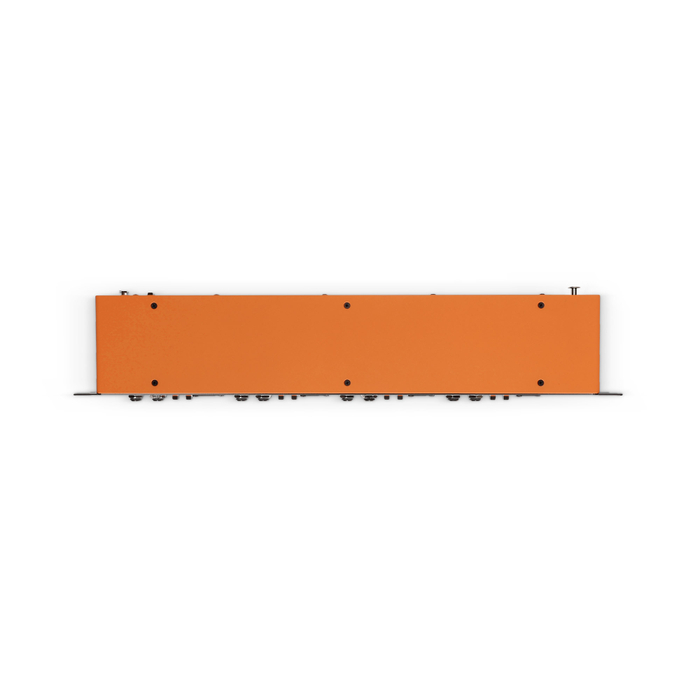
19" DI box, 4 channels, active
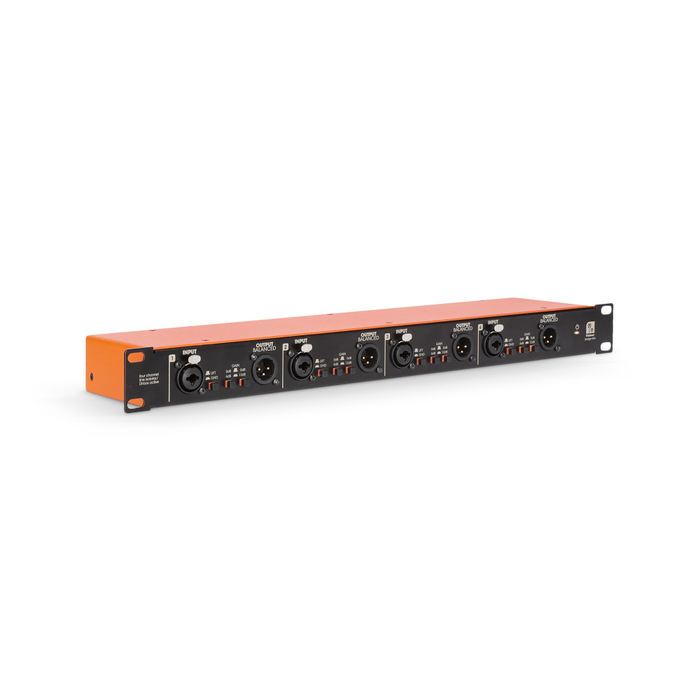
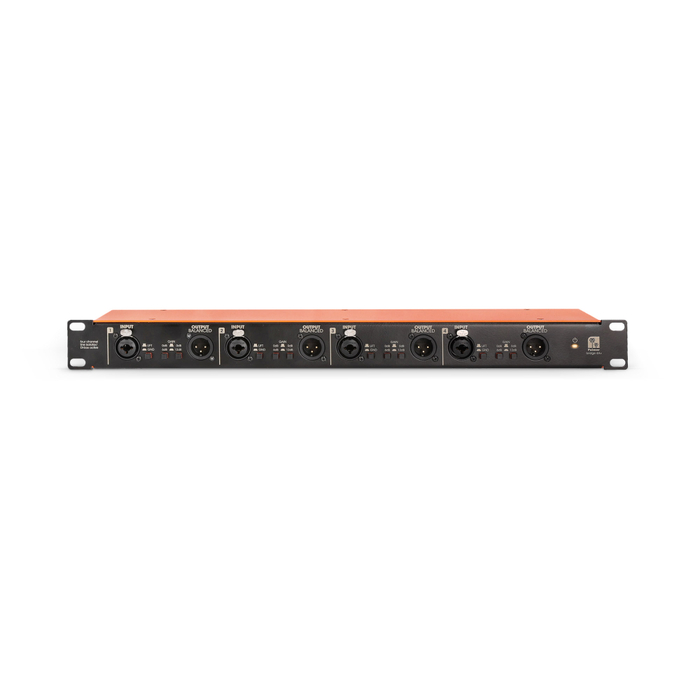
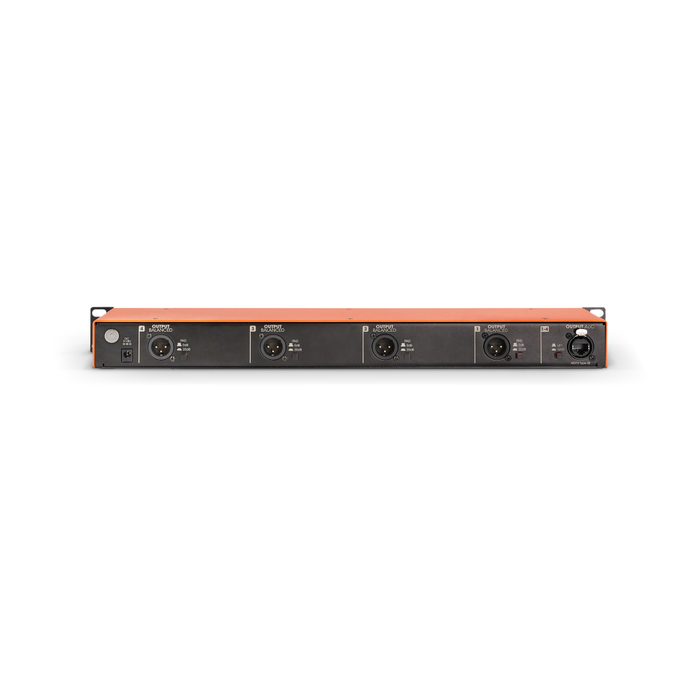
19" DI box / line isolation box, 4 channels, active